
Recovery works best when sleep, movement, and simple habits combine into an interconnected system. Quality sleep boosts neuroplasticity, helping your brain and body repair and rewire efficiently. Regular walking and gentle mobility activities increase blood flow and support neural connections. Managing stress through mindfulness or breathing enhances this process, creating a supportive environment for healing. When you understand how these elements work together, you can optimize your recovery and build resilience—discover how to strengthen this system further.
Key Takeaways
- Recovery involves interconnected processes like sleep, mobility, and stress management that work synergistically for optimal healing.
- Quality sleep enhances neuroplasticity, supporting neural rewiring, tissue repair, and overall recovery.
- Simple mobility habits, such as walking and stretching, promote blood flow and neural connections essential for healing.
- Managing stress through mindfulness and breathing techniques reduces nervous system load, accelerating recovery.
- Integrating sleep, movement, and stress techniques creates a holistic system that boosts resilience and sustainable healing.
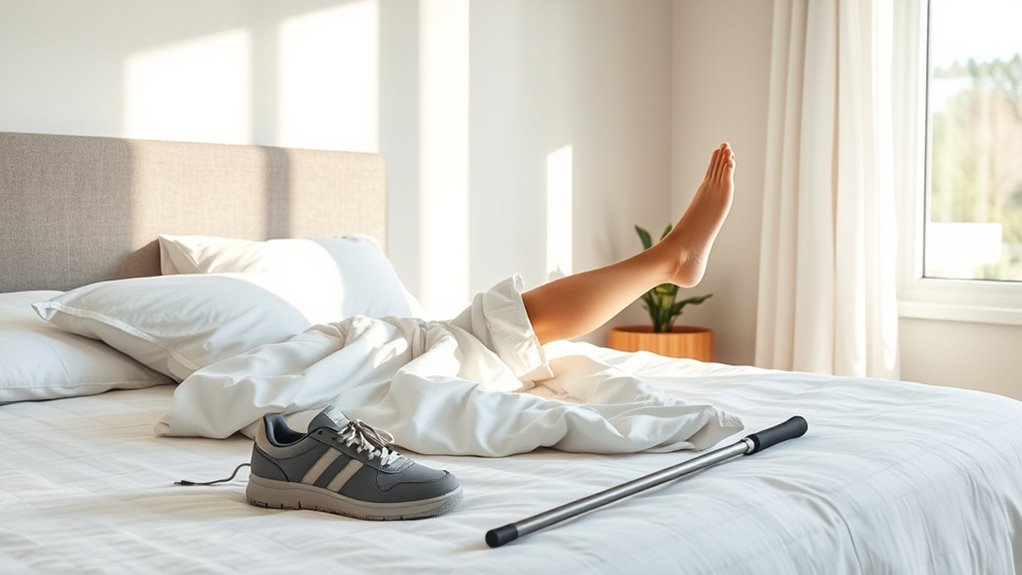
Have you ever wondered why recovery efforts often seem fragmented or slow? One key reason is that recovery isn’t just about isolated actions; it’s a complex system where multiple processes must work together seamlessly. To access faster, more effective recovery, you need to understand how your brain and body communicate and adapt. Neuroplasticity enhancement plays a crucial role here, allowing your brain to rewire itself in response to new habits and stimuli. By actively promoting neuroplasticity, you can strengthen neural pathways that support healing, motor control, and stress regulation. Incorporating stress modulation techniques, such as mindfulness, breathing exercises, or gentle meditation, helps reduce the overall stress load on your system. When stress levels are high, your body’s ability to recover slows down, and healing processes become less efficient. By managing stress effectively, you create an environment conducive to recovery, allowing your nervous system to prioritize repair rather than survival mode. Additionally, understanding how neural pathways adapt and strengthen can guide you in designing more effective recovery routines.
Sleep is another critical component, often overlooked in the recovery equation. Quality sleep isn’t just about rest; it’s when your body repairs tissues, consolidates memories, and resets neural pathways. During deep sleep stages, neuroplasticity peaks, making it an ideal time for your brain to rewire and adapt. Ensuring you get enough restorative sleep enhances your brain’s capacity to respond to recovery efforts, whether that involves physical therapy, cognitive tasks, or stress management. Simple mobility habits, like regular walking or gentle stretching, might seem minor but are powerful tools when integrated into a daily routine. These activities promote blood flow, stimulate the nervous system, and encourage neural connections to form and strengthen. Walking, in particular, is a low-impact, accessible way to engage your brain and body in a positive feedback loop of recovery.
Combining these elements creates a holistic recovery system. When you focus on neuroplasticity enhancement through targeted exercises and habits, and employ stress modulation techniques to keep your nervous system balanced, you set the stage for faster, more sustainable healing. Sleep, mobility, and mental health intertwine to support each other, making recovery feel less like a series of isolated tasks and more like a continuous, adaptive process. By understanding and leveraging these interconnected systems, you empower yourself to recover more efficiently and build resilience for future challenges. Recovery isn’t just a passive process; it’s an active system that you can optimize with intentional habits and a strategic mindset.

The Night Before 10-in-1 Midnight Maximizer Sleep Aid, Stress Relief, Cognition, Relaxation, Recovery, Focus, Magnesium Glycinate, L-Theanine & More, (120 Capsules – 2 Month Supply)
WAKE UP SHARP, NOT GROGGY: Escape the "supplement hangover." Unlike common sleeping pills that leave you foggy, our…
As an affiliate, we earn on qualifying purchases.
As an affiliate, we earn on qualifying purchases.
Frequently Asked Questions
How Does Hydration Impact Recovery Systems?
Hydration impacts your recovery systems by maintaining hydration balance and supporting electrolyte regulation. When you stay well-hydrated, your body efficiently transports nutrients, removes waste, and repairs tissues. Proper electrolyte levels prevent cramps and fatigue, enhancing muscle function. Dehydration hampers these processes, slowing recovery. So, drinking enough water and replenishing electrolytes guarantees your recovery mechanisms work smoothly, helping you heal faster and regain strength effectively.
Can Specific Foods Enhance Sleep and Mobility?
Yes, specific foods can boost your sleep and mobility by optimizing nutrient timing and addressing food sensitivities. Eating foods rich in magnesium, like nuts or leafy greens, a few hours before bed promotes relaxation. Meanwhile, avoiding processed foods or allergens helps prevent inflammation that hampers mobility. Pay attention to your body’s reactions, and tailor your diet to include nourishing, easily digestible options for better recovery and overall well-being.
What Role Does Mental Health Play in Physical Recovery?
You might think mental health is just about feeling good, but it actually plays a huge role in physical recovery. Ironically, practicing mindfulness and building emotional resilience can speed up healing, reduce pain, and improve mobility. When your mind is calm and resilient, your body responds better to rehab efforts. So, don’t overlook your mental state—strengthening it can be the secret weapon in bouncing back faster.
Are Recovery Habits Effective for All Age Groups?
Recovery habits can be effective for all age groups when you use age-appropriate strategies. Younger individuals might focus on active mobility and sleep hygiene, while older adults benefit from gentle exercises and consistent routines. Establishing lifelong habits tailored to your age guarantees better physical recovery and overall well-being. Adapting your habits as you age helps maintain effectiveness, making recovery a sustainable part of your daily life.
How Do Environmental Factors Influence Recovery Systems?
Environmental factors greatly influence your recovery systems by shaping how well your body heals and regenerates. Environmental stimuli like noise, light, and air quality can either support or hinder your recovery environments. A calm, clean, and comfortable space promotes better sleep, easier mobility, and faster healing. By optimizing these surroundings, you help your body respond more effectively, ensuring your recovery habits work efficiently and support overall well-being.

JOINFREE Diabetic Wide Walking Shoes for Women & Men with Adjustable Upper, Zero Drop Non Slip Casual Sneakers Comfortable for Swollen Feet, Edema, Arthritis & Elderly Black Size Women 10.5/Men 9
Custom Fit for All-Day Comfort: JOINFREE wide width shoes for men and women feature an adjustable hook-and-loop upper…
As an affiliate, we earn on qualifying purchases.
As an affiliate, we earn on qualifying purchases.
Conclusion
By understanding recovery as a system, you realize how essential sleep, walking, and simple mobility habits are for your health. Did you know that just 7-8 hours of quality sleep can boost your immune system and reduce recovery time? Incorporating these habits into your daily routine creates a powerful cycle that enhances overall well-being. Remember, small consistent actions can make a big difference in how quickly and effectively you recover.

BEST 100 Daily Meditation Cards | Anxiety Relief Item for Relaxation | Self Care Kit for Stress Relief | Perfect Mindfulness Gift For Teens & Adults | Advance Beyond Positive Affirmations
🌟 100 MINDFULNESS EXERCISES 🌟 This graphic packed mindfulness deck contains 100 cards designed for stress management, anxiety…
As an affiliate, we earn on qualifying purchases.
As an affiliate, we earn on qualifying purchases.

Neuroplasticity Writing Workbook: Train your brain, boost neuroplasticity & calm your mind by writing with your non-dominant hand
As an affiliate, we earn on qualifying purchases.
As an affiliate, we earn on qualifying purchases.