
TL;DR

Get school and study supplies delivered free — and shop member deals
- Fast, free delivery on millions of items
- Access to Prime Big Deal Days deals on October 6–7
- Prime Video, Amazon Music and more included
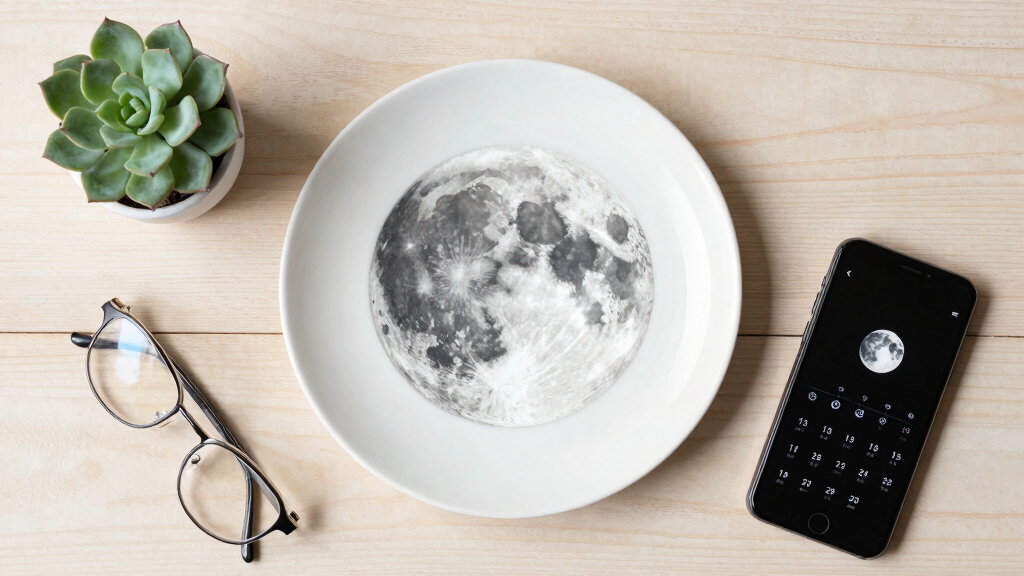
The moon will be in a waning gibbous phase on June 26, with approximately 80% illumination. This phase is confirmed based on astronomical calculations, and it influences lunar observations and cultural events. You might also be interested in The strawberry moon will soon rise. When to look up.
On June 26, 2024, the Moon will be in a waning gibbous phase, with approximately 80% of its surface illuminated, according to astronomers. This confirmed phase will influence moon-watching activities and cultural events tied to lunar cycles, making it a noteworthy date for skywatchers and enthusiasts.
The moon phase on June 26 is determined through precise astronomical calculations based on the Moon’s orbit and position relative to Earth and the Sun. June’s Strawberry Moon is unlike any other full moon. Here’s why Experts confirm that the Moon will be in a waning gibbous phase, meaning more than half but less than fully illuminated, with about 80% illumination. This phase occurs after a full moon and before a last quarter, typically visible in the evening sky.
According to data from astronomical sources, the exact timing of the lunar phase transition is consistent with the lunar cycle, which lasts about 29.5 days. The waning gibbous phase will be prominent in the hours after sunset, providing a good opportunity for observation and photography. No unexpected deviations from the predicted lunar cycle are currently reported.
Impacts of the Waning Gibbous Phase on Observation and Culture
This lunar phase is significant for skywatchers, as it offers a bright, nearly full moon that enhances visibility for nighttime observation and photography. It also holds cultural relevance, as many traditions and festivals are linked to lunar cycles. Additionally, understanding the moon’s phase helps in planning astronomical events, such as lunar eclipses or specific celestial alignments, which are often scheduled around these phases.
For scientists and astronomers, the confirmed phase on June 26 provides a reference point for ongoing lunar studies and observation planning. The phase also influences tidal patterns on Earth, which are affected by the moon’s gravitational pull during different lunar phases.
As an affiliate, we earn on qualifying purchases.
Current Lunar Cycle and Historical Phases Around June 26
The lunar cycle is a continuous orbit that repeats approximately every 29.5 days, encompassing phases from new moon to full moon and back. The full moon occurred roughly two weeks prior to June 26, placing the Moon in its waning gibbous phase. Historically, this period has been associated with cultural festivals and traditional practices in many societies, often linked to the lunar calendar.
Previous lunar phases this year have been documented, with the last full moon occurring around June 24, confirming the transition into the waning gibbous phase. Astronomical observations over recent weeks have shown consistent lunar behavior, with no anomalies reported that would alter the expected phase on June 26.
As an affiliate, we earn on qualifying purchases.
Unconfirmed Aspects of Lunar Visibility and Events
While the phase is confirmed through calculations, local weather conditions and atmospheric phenomena could affect visibility. No lunar eclipses or special events are currently scheduled for June 26 that would alter the moon’s appearance or observation conditions, but unexpected atmospheric disturbances could impact viewing experiences.As an affiliate, we earn on qualifying purchases.
Upcoming Lunar Phases and Observational Opportunities
Following June 26, the Moon will continue its cycle toward the last quarter phase, expected around July 2. Astronomers and skywatchers can plan for upcoming events such as the new moon and potential lunar eclipses, which are scheduled based on the lunar cycle. Continued observation and updated astronomical data will refine predictions for upcoming lunar phenomena.
As an affiliate, we earn on qualifying purchases.
Key Questions
What does a waning gibbous moon look like?
A waning gibbous moon appears mostly illuminated, with the light decreasing each night after a full moon. It looks like a bright, almost full moon with a slight shadow on the left side when viewed from the Northern Hemisphere.
Why is the moon phase important for observers?
The moon phase affects visibility, brightness, and the timing of lunar events. It helps astronomers, photographers, and cultural practitioners plan their activities around optimal viewing conditions.
Are there any lunar events on June 26 besides the phase?
Currently, no specific lunar events like eclipses or occultations are scheduled for June 26. The primary focus is on the moon’s phase and its visibility in the night sky.
How accurate are these moon phase predictions?
The predictions are based on well-established astronomical calculations and are highly reliable. Minor variations can occur due to atmospheric conditions or observational inaccuracies.
Can I see the moon’s phase from anywhere on Earth?
Yes, the moon phase is visible worldwide, but the exact appearance can vary slightly depending on your geographic location and local weather conditions.
Source: google-trends
Halloween Picks
halloween
As an affiliate, we earn on qualifying purchases.