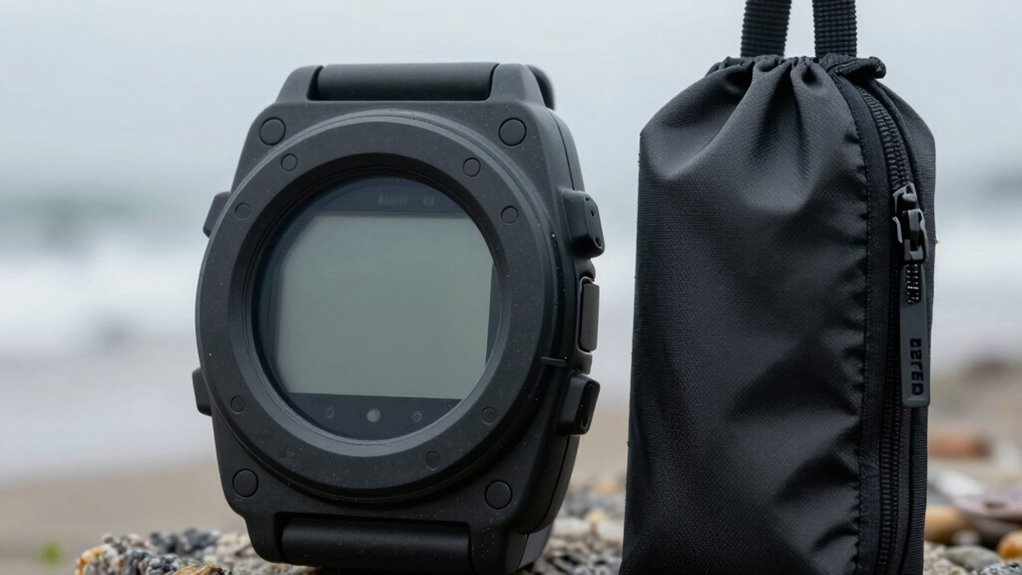

Understanding the difference between waterproof and water-resistant storage terms helps you choose the right protection for your valuables. Water-resistant items can handle splashes and light rain but aren’t meant for full immersion. Waterproof items, however, can be submerged in water for extended periods without damage. Checking ratings like IPX4 or IP68 can guide you to the right option based on your needs. Continue exploring to see how these terms impact your gear’s safety and longevity.
Key Takeaways
- Water-resistant storage offers limited protection against splashes and light moisture, suitable for everyday use.
- Waterproof storage units are designed to withstand full immersion and prolonged water exposure, ideal for demanding environments.
- Storage labels like IPX4 indicate water resistance, while higher ratings like IP68 guarantee waterproof capabilities.
- Choose water-resistant storage for light rain or accidental spills; opt for waterproof storage for swimming, diving, or heavy water contact.
- Proper sealing and maintenance are essential to preserve waterproof storage’s effectiveness over time.

Ever wondered what the difference is between waterproof and water-resistant? It’s a common question, especially when you’re investing in gear or gadgets meant to withstand the elements. Understanding this distinction can save your electronic devices from unnecessary damage and help you pick the right gear for your activities. Water-resistant means a product can handle some exposure to water — like light rain or splashes — but it isn’t designed to be submerged or exposed to high-pressure water for long. Waterproof, on the other hand, offers a much higher level of protection, allowing devices or items to be submerged for extended periods without letting water in. This difference directly impacts the impact on electronic devices. If you have a water-resistant watch or phone, accidental splashes or brief rain showers won’t ruin them, but submerging them even briefly could cause damage. Waterproof electronics, however, are built to withstand immersion, making them suitable for more demanding environments and activities. Proper sealing is essential for maintaining the waterproof integrity over time, especially with regular use or exposure to harsh conditions.
Knowing the impact on electronic devices is critical when choosing between the two. Water-resistant gadgets often come with ratings like IPX4 or IPX7, indicating their resistance level. For example, an IPX4-rated device can handle splashes from any direction, making it suitable for outdoor activities like jogging or casual use in the rain. Meanwhile, an IPX7-rated device can survive immersion in water up to a meter deep for about 30 minutes, which is perfect if you’re swimming or engaging in water sports. Waterproof devices, such as certain smartphones or action cameras, usually have higher IP ratings (like IP68), meaning they can handle more prolonged or deeper submersion. This makes them ideal for activities like diving, snorkeling, or kayaking, where water exposure is continuous and unavoidable.
Frequently Asked Questions
Can a Water-Resistant Device Be Submerged Temporarily?
A water-resistant device can handle some splashes, but it isn’t built for temporary immersion. If you submerge it, water might seep in, risking damage and reducing the device’s durability. For true protection during brief underwater exposure, look for a device specifically rated for temporary immersion, like those with an IPX8 rating. Remember, water resistance isn’t a guarantee against water damage in all situations.
What Testing Standards Differentiate Waterproof From Water-Resistant?
You want to know what testing standards differentiate waterproof from water-resistant devices. Testing protocols and certification standards are key here, with waterproof devices undergoing rigorous tests like immersion in water for extended periods under specific conditions. Water-resistant devices, on the other hand,, pass less demanding tests, like splash or sweat resistance. These standards guarantee that waterproof products meet strict guidelines, while water-resistant ones offer limited protection against water exposure.
Are Waterproof Ratings Consistent Across Different Product Categories?
Waterproof ratings aren’t always consistent across different product categories because industry standards can vary. You might find a waterproof label on a watch that doesn’t meet the same standards as a waterproof bag. Always check the specific testing standards behind each rating, as some products adhere to stricter protocols. Recognizing these differences helps you better understand what level of protection you’re getting, ensuring your equipment stays safe and dry.
How Do I Maintain Waterproof and Water-Resistant Items?
To preserve your waterproof and water-resistant items, clean them regularly with gentle techniques like wiping with a damp cloth or using mild soap. Avoid harsh chemicals that can damage the protective coatings. Store them in a cool, dry place, preferably in breathable bags or containers to prevent mold and deterioration. Following proper storage recommendations helps maintain their water resistance and ensures they stay effective during your outdoor adventures.
Do Waterproof and Water-Resistant Ratings Degrade Over Time?
Yes, waterproof and water-resistant ratings can degrade over time. As you use your items, seal integrity weakens due to material degradation, exposing them to potential water damage. You might notice a slight decline in performance, but don’t ignore it—this subtle change can lead to leaks or moisture seepage. Regularly inspecting and maintaining your gear helps preserve its protective qualities, ensuring you stay dry when it counts.
Conclusion
Now that you understand the difference between waterproof and water-resistant, you’re better equipped to choose wisely. But here’s the catch: not all labels tell the full story. Will your device truly withstand the elements, or will you be caught off guard? The true test lies in the details and your specific needs. So, next time you shop, ask yourself—are you ready to risk it, or will you play it safe? The choice is yours.