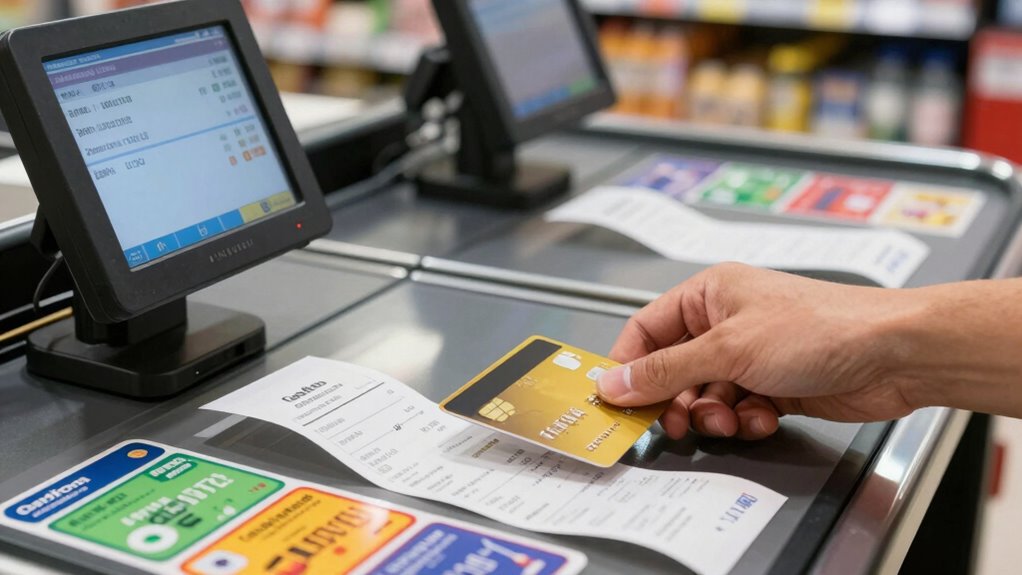

The convenience tax is a hidden fee stuck in the total you pay for faster or easier services, often unnoticed. When you use digital payments, pay for express delivery, or choose premium options, companies often embed extra charges to boost profits. These fees can add up over time, making things more expensive without you realizing. Keep an eye out for these sneaky costs, and discover how to spot and avoid them as you explore further.
Key Takeaways
- Convenience tax is a hidden fee embedded in prices for faster or easier services, often unnoticed by consumers.
- Digital payments and service charges frequently include invisible fees that raise overall costs.
- Companies inflate base prices or add surcharges to cover costs for express delivery or instant support.
- Online platforms may include hidden surcharges to boost profit margins without transparent pricing.
- Being aware of these fees helps consumers compare prices and choose less expensive, slower options to save money.
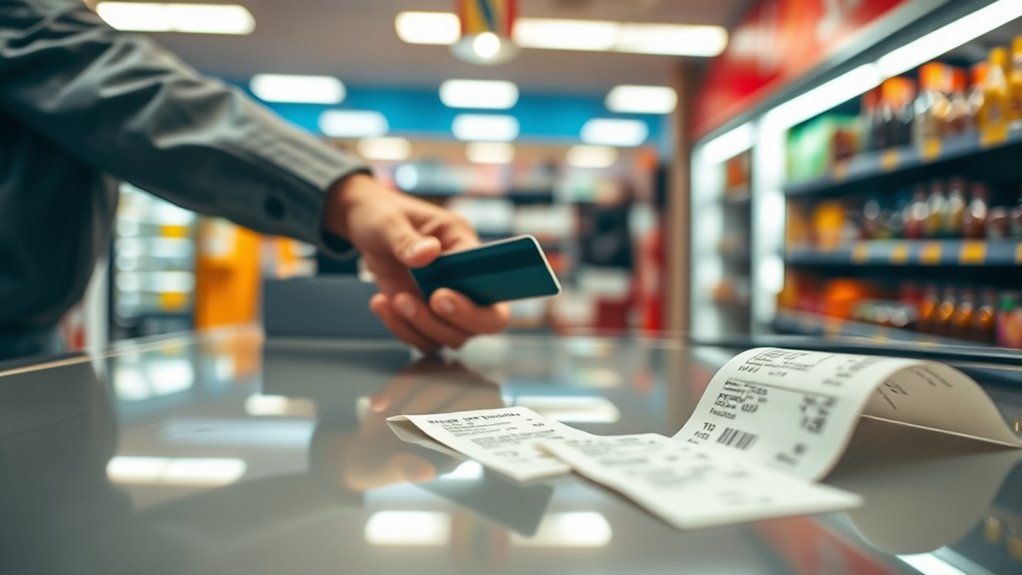
Every time you pay extra for a quick, hassle-free service, you’re unknowingly contributing to what’s called the “Convenience Tax.” This hidden cost isn’t listed on your receipt but is built into the higher prices of fast food, online shopping, and on-demand services. It’s a subtle surcharge that ensures companies profit from your desire for speed and ease. One of the most common ways this tax manifests today is through digital payments and service charges. When you pay with a credit card or digital wallet, you often encounter fees that seem invisible but are embedded into the overall cost. Retailers and service providers may add a service charge to cover the expenses of processing digital payments, especially for credit card transactions. These charges, sometimes called convenience fees, are designed to encourage you to use specific payment methods or to offset the costs associated with faster, more efficient transactions.
Digital payments have revolutionized how we shop and pay, but they also contribute to the convenience tax. When you opt to pay electronically, businesses often pass on the processing fees they pay to payment processors. While some companies absorb these costs, many pass them onto consumers, subtly raising the total amount. For example, a restaurant might add a service charge to cover credit card processing fees, which you might not immediately notice. The same applies when ordering online; the prices you see might include hidden fees designed to boost profit margins. These service charges are easy to overlook but add up over time, especially when you’re making frequent transactions.
The convenience tax is also evident in the way many companies price their services. They often inflate base prices slightly to offset the costs of offering fast, convenient options. This means that opting for express delivery, immediate online support, or premium digital services often costs more than traditional alternatives. These additional fees are justified as necessary for providing superior service, but in reality, they serve as a revenue booster. You might feel compelled to choose these options for the sake of convenience, unaware that you’re paying a premium for the privilege.
Additionally, the vetted nature of many online platforms means they often include hidden fees to enhance profit margins, contributing further to the convenience tax. Ultimately, the convenience tax is a silent cost embedded in the modern economy. Whether through service charges on digital payments or inflated prices for quick services, it quietly increases your expenses. Being aware of these hidden fees allows you to make more informed decisions. You can compare prices, opt for slower but cheaper options, or avoid unnecessary charges altogether. Recognizing the hidden costs behind your seamless transactions empowers you to take control of your spending and avoid paying more than you need to for convenience.
Frequently Asked Questions
How Can I Identify Hidden Convenience Fees in My Bills?
You can identify hidden convenience fees in your bills by carefully reviewing itemized charges for transaction fees or service charges that seem unusual or unnecessary. Look for small or recurring fees that appear without explanation. Comparing your bill to the original service agreement helps spot discrepancies. If something’s unclear, don’t hesitate to ask your provider directly, so you’re aware of all charges before making payments.
Are Convenience Taxes Applicable Internationally or Only Domestically?
You might be surprised, but convenience taxes can apply internationally, especially through cross-border fees. When you make purchases or payments across borders, merchants or financial institutions often add these charges, which function like hidden convenience taxes. While they’re more common domestically, international application is growing. Always read the fine print on international transactions, so you’re aware of any extra costs that could sneak into your bills without notice.
What Legal Protections Exist Against Unfair Convenience Charges?
You have legal recourse if you face unfair convenience charges. Consumer rights laws protect you from deceptive or excessive fees, allowing you to dispute charges or seek refunds. Many jurisdictions require transparent fee disclosures, and regulatory agencies oversee these practices. If you believe a convenience tax is unfair, you can file a complaint with consumer protection agencies, pursue legal action, or seek assistance from your local or national authorities to enforce your rights.
How Do Companies Justify Adding These Convenience Fees?
You might notice convenience fees popping up unexpectedly, but companies justify them by emphasizing pricing transparency and customer awareness. They argue these fees cover additional processing costs or provide faster, more flexible payment options. By clearly explaining these charges upfront, they believe they’re maintaining transparency, although sometimes it feels like a coincidence that these fees appear just before checkout. Ultimately, they aim to balance profit with perceived fairness, relying on your awareness of the added value.
Can I Avoid Convenience Taxes Altogether?
You can minimize convenience taxes by using cash back offers and loyalty programs, which often waive or reduce fees. Opt for payment methods that reward you, like credit cards with cash back, to offset extra charges. Always compare options before paying, and take advantage of promotions that eliminate convenience fees. Staying aware of your spending habits helps you avoid unnecessary costs, making your transactions more affordable.
Conclusion
So, next time you breeze through a checkout or choose the quick option, remember the convenience tax. It’s the price you pay for saving seconds, yet losing a bit of awareness. That tiny fee might seem harmless, like a tip or a convenience store upcharge, but it quietly adds up—much like a small pebble starting an avalanche. In choosing speed over savings, you’re paying silently, often without noticing. Convenience has its cost; just be mindful of what you’re really paying for.