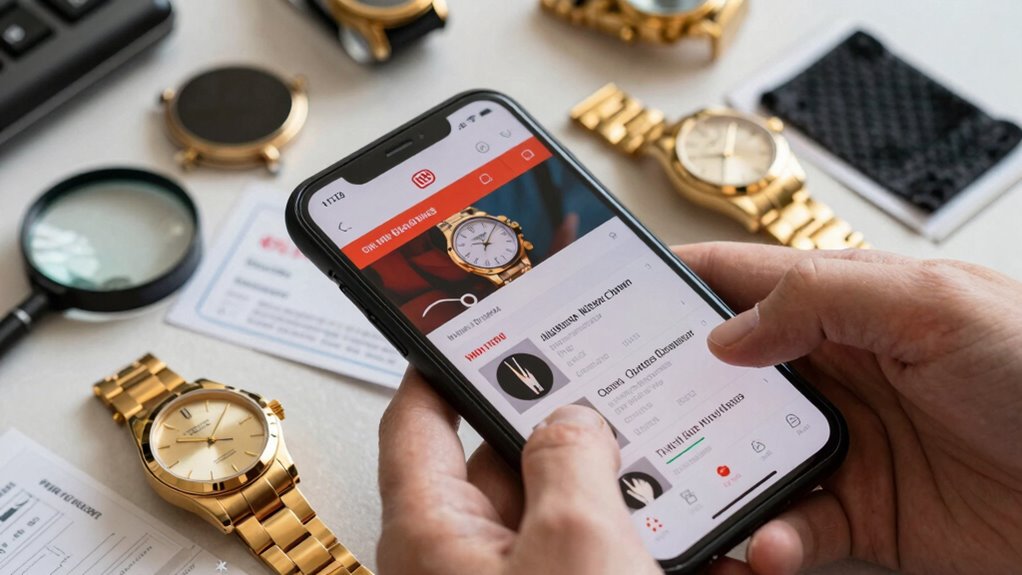

To spot fake listings and counterfeits fast, check for authenticity proofs like certificates or holograms, and verify seller ratings. Be wary of prices that seem too good to be true and scrutinize photos for poor quality or inconsistencies. Pay attention to listing details—vague descriptions or blurry images can be red flags. Trust your instincts and use secure payment options. If you want to catch fakes early and avoid scams, there’s more to uncover ahead.
Prime for Young Adults — start your free trial
Fast free delivery, streaming and member deals for eligible 18–24 year olds.
As an affiliate, we earn on qualifying purchases.
Key Takeaways
- Verify authenticity with official certificates, serial numbers, or holograms and request proof before purchasing.
- Be cautious of significantly below-market prices and check seller reviews for reliability.
- Examine images for quality, branding, and consistency; read descriptions carefully for accuracy.
- Assess listing professionalism, clarity, and detailed specs; watch for vague language and branding discrepancies.
- Use secure, traceable payment methods and trust your instincts to avoid scams and counterfeits.
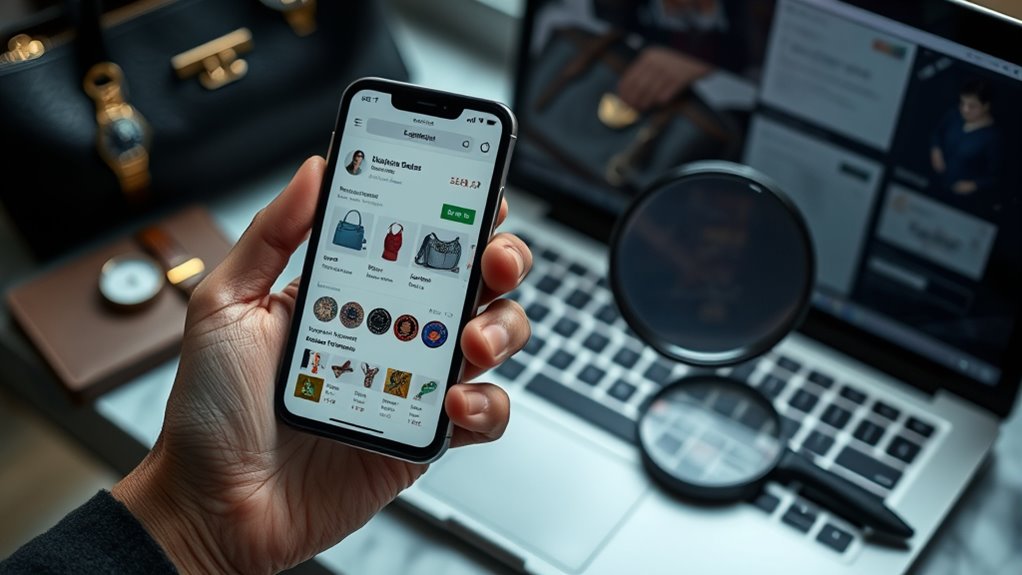
Have you ever wondered how to spot fake listings and counterfeits online? It’s a common concern, especially with the rise of marketplace scams that target unsuspecting buyers. When browsing online marketplaces, it’s easy to be lured in by attractive prices or high-quality images, but it’s vital to stay vigilant. The first step in protecting yourself is understanding how to identify genuine products versus counterfeits. Many scams rely on convincing listings that appear authentic but are designed to deceive. Learning a few quick checks can save you from losing money or ending up with substandard goods.
One of the most effective ways to detect fake listings is to pay close attention to authentication methods used by sellers. Reputable sellers or brands often provide official certificates, serial numbers, or holograms as proof of authenticity. If a listing lacks these details or the seller is unwilling to share verification information, that’s a red flag. Don’t hesitate to ask for more images or proof of authenticity before making a purchase. Counterfeiters frequently avoid providing verifiable details, so their absence can be a clear indicator of a scam.
Authentic sellers provide certificates, serial numbers, or holograms—red flags if these are missing or unavailable.
Another key tip is to scrutinize the listing’s pricing. If an item is considerably cheaper than retail or market value, be cautious. While discounts are common, prices that seem too good to be true often are. Fake listings frequently try to lure buyers with unbeatable deals, only to deliver inferior or counterfeit products. Always compare prices across multiple sources and check the seller’s reputation. Reviews and ratings can help you gauge whether a seller is trustworthy or involved in marketplace scams.
Visual cues can also help you spot counterfeits. Examine product images carefully—poor photo quality, inconsistent branding, or missing details can suggest a fake. Read the description thoroughly and look for inconsistencies or vague language. Authentic products usually have precise descriptions, proper branding, and detailed specifications. If the listing lacks these or seems generic, it’s better to proceed with caution. Additionally, understanding the importance of color accuracy in product presentation can help identify discrepancies in product images that may indicate counterfeit items.
Finally, trust your instincts. If something feels off about a listing—be it the seller’s communication, the quality of images, or the price—take a step back. Use secure payment methods that offer buyer protection and avoid wiring money or using untraceable payment options. Remember, staying informed about common marketplace scams and employing solid authentication methods are your best defenses. Quickly verifying details and trusting reputable sources can help you avoid falling victim to counterfeit products and ensure your online shopping remains safe and satisfying.
authenticity certificate for electronics
As an affiliate, we earn on qualifying purchases.
As an affiliate, we earn on qualifying purchases.
Frequently Asked Questions
How Can I Verify a Seller’s Authenticity Quickly?
To verify a seller’s authenticity quickly, check their seller reputation by reading reviews and ratings. Look for consistent positive feedback and verified purchase history. Always use secure payment methods, like credit cards or trusted platforms, to protect yourself. If the seller’s profile has limited information or suspicious activity, proceed with caution. Trust your instincts, and don’t hesitate to contact the seller for more details before making a purchase.
What Are Common Signs of Counterfeit Products?
You might think counterfeits are obvious, but they often aren’t. Look for a poorly printed brand logo, uneven or blurry edges, and packaging quality that feels cheap or flimsy. Counterfeit products often have misspelled words or inconsistent fonts. If the packaging seems off or the logo looks different from the authentic one, it’s a red flag. Trust your instincts—these signs can help you spot fakes quickly.
Are There Tools to Automatically Detect Fake Listings?
Yes, you can use automated detection tools and counterfeit software to spot fake listings quickly. These tools analyze listing details, images, and seller behavior to flag suspicious items. They save you time and reduce risks by providing real-time alerts. By integrating these automated detection solutions into your monitoring process, you can stay ahead of counterfeiters and protect your business or customers from counterfeit products effectively.
How Do Counterfeit Listings Impact Consumer Safety?
Counterfeit listings are like hidden landmines in the counterfeit market, threatening your safety with every click. They compromise consumer trust by offering fake products that can be unsafe or harmful. When you unknowingly purchase counterfeit goods, you risk injury or disappointment, eroding trust in online shopping. Staying vigilant helps protect you from these dangers, ensuring your safety and confidence in authentic items, and keeping the counterfeit market in check.
What Legal Actions Can I Take Against Counterfeit Sellers?
You can pursue legal remedies against counterfeit sellers by reporting them to consumer protection agencies and filing a complaint with the platform hosting the listing. Consider consulting a lawyer to explore options like cease-and-desist orders or lawsuits for trademark infringement. Taking these actions helps protect your rights and supports consumer protection efforts. Acting swiftly guarantees you can hold counterfeit sellers accountable and prevent further harm to consumers.
As an affiliate, we earn on qualifying purchases.
Conclusion
So, next time you spot a deal that’s too good to be true, remember this checklist. Because nothing says “trust me” like fake listings and counterfeits, right? Ironically, the quickest way to avoid getting scammed is just to stay vigilant. After all, who needs authenticity when you can have a shiny fake? Stay sharp, trust your instincts, and enjoy your “authentic” purchase—if you can tell the difference, that is.
serial number scanner for products
As an affiliate, we earn on qualifying purchases.
As an affiliate, we earn on qualifying purchases.
secure payment methods for online shopping
As an affiliate, we earn on qualifying purchases.
As an affiliate, we earn on qualifying purchases.
Fall yard work Picks
leaf blowers
As an affiliate, we earn on qualifying purchases.