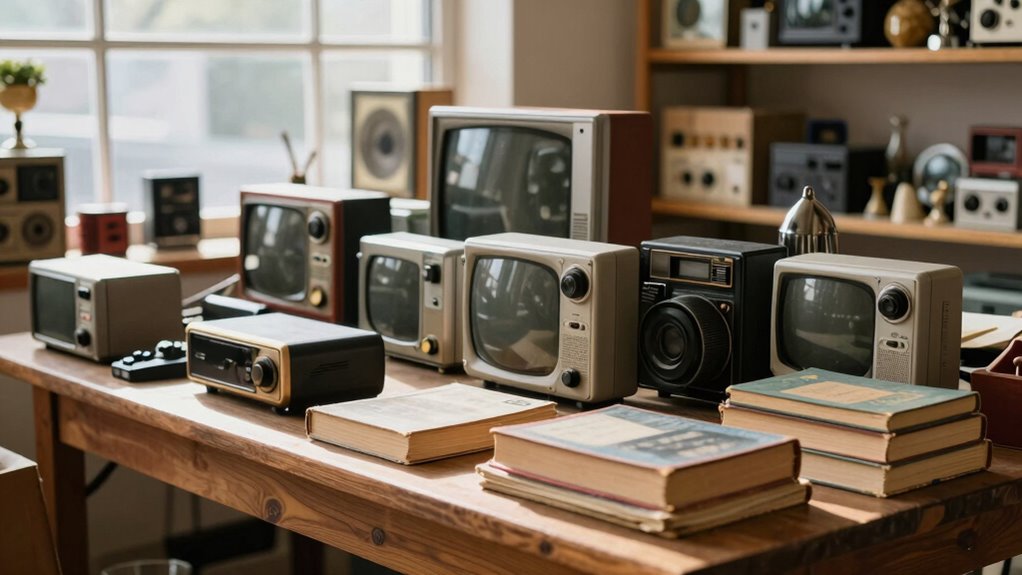

To evaluate used items rationally, you should compare prices from multiple sources to see if asking prices are reasonable, rather than just accepting the first offer. Inspect items thoroughly for wear, damage, or repairs, and ask sellers about their history and condition. Consider future costs like repairs or parts and weigh these against the item’s quality and age. Focusing on facts and thorough analysis will help you avoid overpaying—there’s more to learn for making smarter choices.
Key Takeaways
- Research original retail prices and compare across multiple listings to identify fair market value.
- Inspect items thoroughly for wear, damage, and functionality to assess true condition.
- Ask sellers about usage history, repairs, and background to gauge reliability and worth.
- Consider total costs, including potential future repairs or parts, before deciding.
- Focus on quality and value rather than just the lowest price to make rational purchasing decisions.
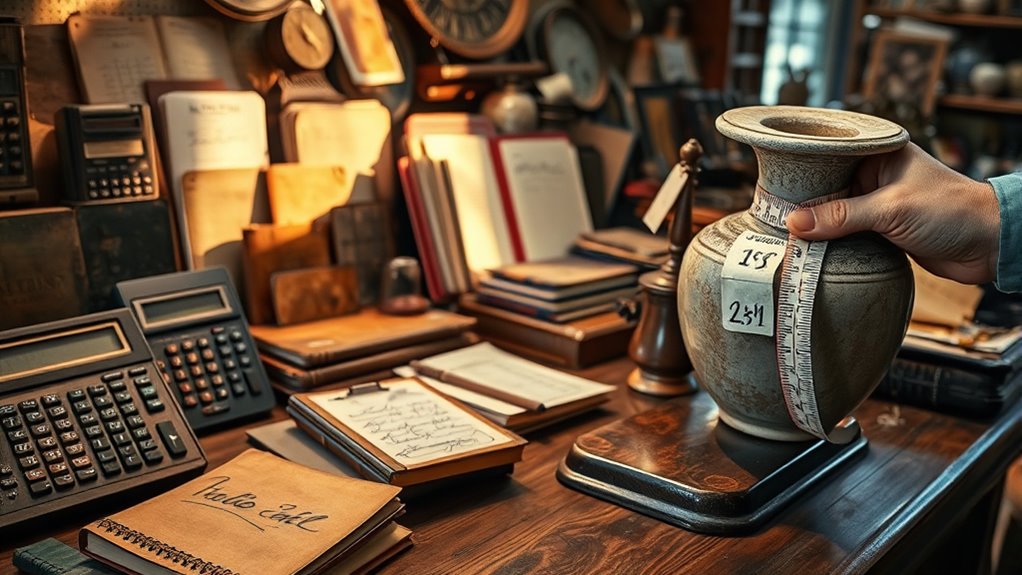
When considering the purchase of a used item, it’s essential to evaluate its value carefully rather than rushing into a decision. This means taking the time to do a thorough price comparison and quality assessment. You want to ensure you’re getting good value for your money, not just a cheap deal that might cost more in the long run. Start by researching the item’s original retail price and comparing it with what sellers are asking for similar used items. This helps you determine if the asking price is reasonable or inflated. Keep in mind that some depreciation is normal, but excessive markups should raise red flags.
Carefully compare prices and assess quality to ensure you get genuine value when buying used items.
Next, focus on the quality assessment. Don’t just rely on photos or descriptions; if possible, inspect the item in person. Check for signs of wear, damage, or repairs that could affect its longevity or functionality. For example, if you’re buying electronics, test all features and confirm they work properly. For furniture, look for cracks, stains, or structural issues. When evaluating quality, consider the item’s age relative to its condition—sometimes a well-maintained older item can be a better deal than a newer one with hidden flaws. Additionally, understanding the importance of color accuracy in related technology can help you better assess visual items like projectors or screens.
It’s also wise to ask the seller questions about the item’s history. Has it been used heavily? Were there any repairs? Knowing the background helps you gauge whether the asking price aligns with the item’s actual condition. If possible, compare multiple listings for the same item to see the range of prices and conditions available. This broader perspective helps you spot a good deal and avoid overpaying.
Furthermore, don’t forget to consider the total cost of ownership. Sometimes, a lower initial price can hide higher future expenses, such as repairs or replacement parts. When you do a price comparison, factor in these potential costs to get a complete picture of the item’s value.
Ultimately, rational evaluation involves balancing the price comparison with a thorough quality assessment. By carefully analyzing both, you can make an informed decision that saves you money and ensures you’re purchasing something that will serve you well. Resist the temptation to settle for the first good-looking deal you find. Instead, take your time, gather information, and make a choice based on facts, not impulse. This strategic approach helps you avoid unnecessary regrets and ensures your purchase truly matches your needs and budget.
Frequently Asked Questions
How Do I Identify Counterfeit or Fake Items?
To identify counterfeit or fake items, start with authentication tips like inspecting logos, serial numbers, and craftsmanship details. Check for inconsistencies in stitching, material quality, or color. Use counterfeit detection tools or apps if available, and compare the item to official images or descriptions. Trust your instincts—if a deal seems too good to be true or something feels off, it probably is. Always buy from reputable sources to avoid fakes.
What Are Signs of Hidden Damages in Used Products?
Did you know that over 30% of used items have hidden defects? To spot these, conduct a thorough visual inspection, focusing on areas like seams, joints, and surfaces for signs of damage or repairs. Look closely for inconsistencies, discoloration, or unusual wear, which could indicate hidden defects. Trust your eyes, and don’t hesitate to ask the seller for more details or proof of maintenance to avoid surprises after purchase.
How Can I Negotiate Prices Effectively?
To negotiate prices effectively, start with price comparison to understand the item’s market value. Use negotiation tactics like highlighting any flaws or hidden damages you’ve noticed, which can justify a lower offer. Be confident and polite, and don’t be afraid to make the first offer. Remember, showing that you’re informed about the item’s worth gives you leverage, making it more likely you’ll secure a better deal.
When Is It Better to Buy New Instead of Used?
You should buy new instead of used when pricing strategies make new items more cost-effective, especially if the product offers warranties that protect your investment. Don’t be swayed by the lower upfront cost; consider potential repair expenses and the value of a guarantee. When safety, reliability, or the latest features matter most, opting for new guarantees peace of mind and long-term savings.
How Do I Assess the Long-Term Value of Used Items?
To assess the long-term value of used items, start with a depreciation analysis to understand how much value the item has lost over time. Consider its resale value; if it retains a high percentage of its original price, it’s a smart buy. Think about durability and maintenance costs too, ensuring you’re investing in something that will hold its worth and serve you well over the years.
Conclusion
By applying rational evaluation skills, you’ll avoid falling for scams or wasting money on faulty items. Remember, a well-informed decision can save you from a mountain of regret—like avoiding a financial disaster of epic proportions! Trust your judgment, inspect carefully, and compare prices. With these strategies, you’ll become a master at appraising used items, ensuring every purchase is a smart one. Take control and turn secondhand shopping into a savvy, rewarding experience!