

Traditional to-do lists often overwhelm you with unprioritized tasks and clutter, making it hard to focus on what truly matters. The 3-layer system reorganizes your tasks into immediate, upcoming, and long-term categories, helping you visualize priorities clearly. This method reduces stress and boosts productivity by ensuring you’re always working on the right task at the right time. Keep going to discover how this simple shift can transform your approach to staying organized.

Prime made for students and young adults
- Fast, free delivery for dorm and study essentials
- Prime Video and Amazon Music included
- Member-only deals
Key Takeaways
- Traditional to-do lists often clutter priorities, causing overwhelm and reducing focus on high-impact tasks.
- The 3-layer system categorizes tasks into Immediate, Upcoming, and Later, clarifying priorities and simplifying decision-making.
- Regular review and adjustment of task layers ensure goals stay aligned with changing circumstances.
- Effective task capture and prioritization focus on specific, actionable items to enhance productivity and reduce mental clutter.
- Structured batching, time blocking, and visualization help maintain focus and prevent distraction by trivial tasks.
Popular right now

Ninja CREAMi 7-in-1 Ice Cream Maker, NC301

Bose QuietComfort Wireless Noise-Cancelling Over-Ear Headphones, Black

De’Longhi Classic Matte Black Espresso Machine with Milk Frother
As an affiliate, we earn on qualifying purchases.
Why Traditional To-Do Lists Fail to Keep You Truly Organized

Traditional to-do lists often fall short because they tend to be overwhelming and unorganized. When your list becomes a jumble of tasks, it’s hard to focus on what truly matters. Without proper task prioritization, you might spend time on low-impact chores instead of urgent ones. This clutter reduces list simplicity, making it difficult to see your most important goals at a glance. As a result, you feel stressed and unproductive, constantly battling an endless to-do pile. You might add tasks without considering their importance or deadlines, which only adds to the chaos. To stay truly organized, you need a system that emphasizes clear task prioritization and keeps your list simple, so you can focus on what’s essential without feeling overwhelmed. Incorporating a layered approach can help break down complex tasks into manageable steps and improve overall productivity. Recognizing the importance of task prioritization can also motivate you to stay committed to your goals, especially when you understand how effective organization reduces stress and enhances clarity.
Meet the Three-Layer System : A Smarter Way to Manage Tasks
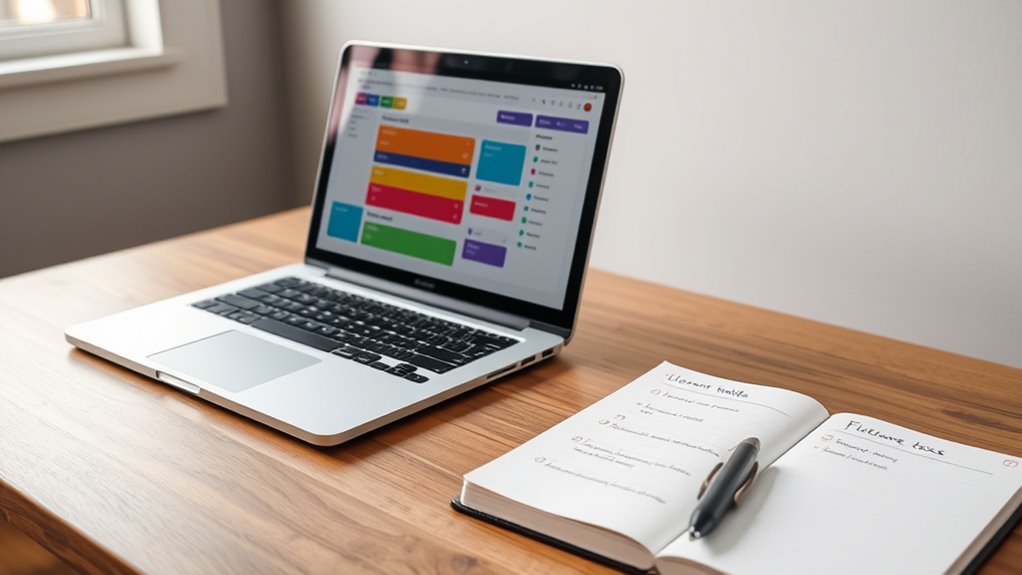
To manage your tasks more effectively, adopting a three-layer system can transform chaos into clarity. This system helps with task categorization and priority ranking, making each step manageable. First, you assign tasks to one of three layers:
- Immediate – tasks that demand urgent attention.
- Upcoming – important but not urgent tasks.
- Later – those that can wait without consequences.
Visualize this like stacking building blocks, with immediate tasks at the top, ready to be actioned. Incorporating layered task management principles can further enhance your workflow by providing clarity on task progression. Next, you prioritize within each layer to focus on what matters most now. This layered approach simplifies decision-making, keeps you organized, and ensures you’re always working on the right things at the right time. Incorporating contrast ratio considerations into your planning can improve your focus by highlighting critical tasks against background distractions, which is especially important when managing multiple digital devices simultaneously. Additionally, understanding the essential oils associated with specific health concerns can help you develop a more holistic approach to your well-being as part of your daily routine. Applying philosophical insights can also inspire a more mindful and intentional approach to task management, fostering better choices and a deeper sense of purpose.
Capture Your Tasks Clearly With the First Layer

When capturing your tasks, use clear action words to specify exactly what needs to be done. Be as specific and concise as possible to avoid confusion later. This clarity sets a strong foundation for effective task management.
Use Clear Action Words
Using clear action words is essential for capturing your tasks effectively. When listing tasks, actively describe what needs to be done to avoid confusion. Imagine these scenarios:
- You see “Call client,” not “Client call” — the difference is clarity.
- You note “Finish report,” instead of “Report” — it’s specific and actionable.
- You write “Schedule team meeting,” not just “Meeting” — guiding your next step.
Clear action words help you prioritize techniques and decide when task delegation is appropriate. They make your to-do list straightforward, reducing ambiguity. This clarity accelerates decision-making and ensures you focus on what truly matters. With precise, active language, you’ll manage tasks more efficiently and stay aligned with your goals. Incorporating timeless outdoor wisdom into your planning can also help you stay prepared for unexpected challenges in any environment.
Be Specific and Concise
How can you guarantee your tasks are understood at a glance? The key is to be specific and concise in your first-layer capture. Use clear action words and focus on the core task, avoiding vagueness. When you implement task batching with digital tools, group similar tasks together to streamline your focus and reduce clutter. This approach helps you see exactly what needs doing without extra details. Keep each task brief but descriptive enough to act on immediately. By simplifying your entries and avoiding unnecessary words, you ensure your list remains manageable and effective. Incorporating automated testing principles into your planning can also help prioritize tasks that enhance your home’s style and functionality. This clarity allows you to prioritize efficiently and prevents confusion, making your to-do list a reliable guide rather than a confusing jumble.
Prioritize Your Tasks Effectively Using the Second Layer

To make the most of your second layer, you need to assess each task’s urgency and decide what requires immediate attention. Then, allocate your resources—time, effort, or tools—where they’ll have the greatest impact. This targeted approach keeps you focused on what truly matters and prevents wasted effort. Additionally, incorporating personalized care plans can help ensure that your priorities align with your overall well-being and goals. Understanding task prioritization can further enhance your ability to manage your workload effectively and reduce stress.
Assess Task Urgency
Evaluating task urgency is a crucial step in effectively prioritizing your to-do list. Urgency assessment helps you quickly identify what needs immediate attention. Imagine this:
- A flashing red alert signaling a deadline approaching within hours.
- An email from your boss requesting a quick update today.
- A minor task that can wait until tomorrow.
- Recognizing your investment goals, such as diversifying with a Gold IRA, can also influence task prioritization.
Allocate Resources Wisely
Allocating resources wisely guarantees you focus your energy and time on the most important tasks. Use prioritization techniques to manage your resources effectively, ensuring high-impact tasks receive attention first. Start by categorizing tasks based on urgency and importance, then allocate your time and effort accordingly. Remember, resource management isn’t just about effort; it’s about smart distribution. Use this table to guide your decisions:
| Priority Level | Task Focus | Resources Needed |
|---|---|---|
| High | Critical tasks | Maximum attention |
| Medium | Important but less urgent | Moderate effort |
| Low | Nice-to-have tasks | Minimal resources |
| Deferred | Can wait | Low priority |
Applying these techniques streamlines your workflow and prevents burnout. Additionally, understanding resource allocation helps optimize your productivity and ensures that your efforts are effectively directed toward what truly matters.
Review and Refine Your System for Ongoing Success

Regularly reviewing and refining your to-do list system makes sure it continues to serve you effectively as your priorities shift. Start with mindful reflection to evaluate what’s working and what’s not. Then, perform system calibration by adjusting your layers and processes based on current needs. Imagine this:
Regularly review and refine your system to stay aligned with changing priorities.
- You scan your lists, visualizing tasks fading into the background or gaining prominence.
- You identify clutter, removing outdated or irrelevant items to clear mental space.
- You realign your system, ensuring each layer reflects your current goals and commitments. Incorporating effective task management techniques helps sustain your progress over time. Additionally, understanding the regulatory implications of your organizational choices can prevent costly misalignments with compliance standards. Staying aware of environmental considerations in your planning can further support sustainable decision-making and long-term success.
How the 3-Layer System Keeps You Focused on What Matters

Once you’ve refined your to-do list system to reflect your current priorities, the 3-Layer System helps you stay focused on what truly matters. It enhances task visualization by breaking work into manageable parts, making your goals clear and attainable. This structure guarantees your daily actions align with top priorities, preventing distractions. Use the table below to understand how each layer supports priority alignment:
| Layer | Focus | Purpose |
|---|---|---|
| 1 | Big picture goals | Long-term vision |
| 2 | Weekly/daily tasks | Short-term actions |
| 3 | Immediate tasks and reminders | Daily execution |
This layered approach keeps your attention sharp, ensuring you don’t get lost in trivial tasks but stay committed to what truly matters.
Common Mistakes to Avoid When Using the Three-Layer Method

A common mistake when using the Three-Layer System is neglecting to regularly review and update your goals at each level. This oversight can lead to emotional clutter, as outdated priorities linger and distract you. To avoid this, focus on:
- Task delegation: Ensure tasks are aligned with current goals, avoiding miscommunication or wasted effort.
- Review sessions: Schedule weekly check-ins to refresh your objectives, preventing stagnation.
- Adjustments: Update your goals when circumstances change, keeping your focus sharp and relevant. Incorporating effective review techniques can further enhance this process.
- Proper piercing aftercare: Ensuring your piercings heal correctly and remain infection-free helps maintain your confidence and focus, preventing unnecessary distractions from complications.
Failing to do these can cause confusion, overwhelm, and a sense that you’re chasing after irrelevant tasks. Regular reviews help you stay emotionally clear, aligned, and effective within the Three-Layer System.
Practical Tips to Transition From Traditional Lists to This System

Switching from traditional to the Three-Layer System requires intentional effort and a clear plan. Start by practicing task visualization: break down your tasks into specific, manageable steps to see the full scope. Next, master priority categorization by assigning tasks to the appropriate layer—urgent, important, or long-term. This helps you focus on what truly matters and prevents overwhelm. progress gradually, perhaps by initially mapping out your existing to-do list into the new structure. Use visual cues like color-coding or symbols to reinforce categorization. Consistently review and adjust your layers to stay aligned with your goals. Over time, this approach will make your task management clearer, more focused, and more effective.
Boost Your Productivity by Making Your To-Do List Work for You

To truly boost your productivity, you need to make your to-do list work for you rather than against you. Start by grouping similar tasks through task batching—think of it as turning scattered errands into a focused workflow. Next, use time blocking to allocate specific periods for these batches, like dedicating 9-10 AM for emails and calls. Visualize your day like this:
- Batch all your admin tasks into one focused session
- Block out uninterrupted time for deep work
- Reserve short breaks between blocks to recharge
- Incorporate patterns in numbers to enhance your workflow and maintain inspiration throughout your busy day.
Frequently Asked Questions
How Does the Three-Layer System Handle Urgent Versus Important Tasks?
The three-layer system prioritizes urgent tasks in the first layer, ensuring you handle them promptly, while important tasks are categorized in the second layer for focused attention. By clearly distinguishing between urgency and importance through task categorization, you manage your priorities more effectively. This approach helps you avoid unnecessary stress, ensuring you tackle what truly matters first, and keeps your workflow organized and efficient.
Can This System Be Adapted for Team or Collaborative Projects?
Yes, you can adapt the 3-layer system for team projects by incorporating collaborative workflows. Use shared platforms to keep everyone aligned on priorities, guarantee clear communication, and assign tasks within each layer. This promotes team synchronization, so each member understands their role and deadlines. Regular check-ins help maintain progress, and adjusting layers as needed keeps your collaborative efforts focused and efficient, preventing miscommunication and missed deadlines.
What Tools or Apps Support the Three-Layer System Effectively?
Think of digital tools as your trusty compass for steering the three-layer system. Apps like Notion, Todoist, and ClickUp support this method by offering customizable task management features that help you organize projects across layers. They enable you to break down tasks, prioritize effectively, and visualize progress, making your workflow seamless. With these tools, managing complex projects becomes less of a maze and more of a clear path forward.
How Often Should I Review and Update My Task Layers?
You should review and update your task layers weekly, prioritizing assessment and adjusting based on your current workload. This helps you allocate time effectively, ensuring high-priority tasks stay at the top and lower-priority ones move down. Regular reviews keep your system accurate, prevent clutter, and help you stay aligned with your goals. Make it a habit to reassess your layers, so your time remains focused on what truly matters.
Is the Three-Layer System Suitable for Long-Term Goal Planning?
The three-layer system works well for long-term goals if you prioritize alignment and stay adaptable. Think of it like a GPS that recalibrates as you go—your priorities shift, and your plans need adjusting. I once set a five-year career goal, but regular reviews helped me pivot smoothly. This system keeps your long-term vision clear while allowing flexibility to meet changing circumstances effectively.
Conclusion
Switching to the 3-layer system transforms your chaotic to-do list into a clear, focused roadmap. Like a GPS guiding you through unfamiliar terrain, it keeps you on track and prevents you from wandering aimlessly. By capturing, prioritizing, and reviewing your tasks regularly, you’ll stay aligned with what truly matters. Embrace this smarter approach, and watch your productivity soar — because a well-structured list is your best tool for success.