

Fixed-cost creep happens when your expenses gradually increase over time, even if your sales stay steady. Small costs like rent, utilities, or administrative fees can quietly escalate, eroding your profit margins without you noticing. This hidden inflation makes your income disappear on autopilot, giving you a false sense of financial stability. To protect your earnings, it’s important to stay vigilant and identify these rising costs early; more details can help you regain control.
Key Takeaways
- Small, unnoticed increases in fixed expenses gradually erode profit margins over time.
- Without regular expense review, rising costs like rent and utilities go unchecked.
- Fixed-cost creep causes expenses to inflate silently, making income seem stable but profits decline.
- Lack of expense management allows incremental cost increases to compound on autopilot.
- Monitoring and negotiating fixed costs help prevent profit loss from hidden, ongoing expense increases.

Fixed-cost creep occurs when a company’s expenses gradually increase over time, even if sales or revenue remain stable. This phenomenon often sneaks up on business owners, quietly chipping away at profits without immediate notice. It’s essential to understand that this isn’t caused by sudden spikes but by a slow, steady process called expense escalation. Over months and years, small increases in costs—such as rent, utilities, or administrative fees—add up, creating what’s known as budget inflation. These incremental hikes may seem insignificant at first, but they can substantially impact your bottom line if you’re not paying close attention.
Fixed-cost creep quietly erodes profits through small, steady expense increases over time.
When your expenses experience budget inflation, it’s easy to assume that your income is enough to cover costs, especially if sales remain steady. However, these creeping costs can silently erode your profit margins, making it appear as though your income is on autopilot while your expenses are silently ballooning. Expense escalation often happens because of contractual or automated increases, like lease renewals, or due to inflationary pressures that raise the costs of goods and services you rely on. Without proper oversight, these increases become baked into your regular budget, leaving you with less profit than expected. Additionally, many businesses overlook the impact of fixed costs that tend to increase over time without adjustments to revenue strategies.
To combat fixed-cost creep, you need to be proactive. Regularly reviewing your expense statements and comparing them to previous periods helps you spot trends early. If you notice costs creeping upward, question the reasons behind these increases. Are you paying more for utilities? Has your rent been increased? Are supplier prices rising? Addressing these questions can help you negotiate better deals or find more cost-effective alternatives. It’s also wise to build contingency funds or allocate part of your revenue to buffer against unexpected cost increases, so you don’t get caught off guard when expenses escalate.
Ultimately, understanding the underlying causes of budget inflation and expense escalation puts you in control. Instead of letting fixed costs quietly chip away at your profits, stay vigilant and actively manage your expenses. Recognize the signs early—small, persistent increases—and take action before they turn into a significant drain. Doing so ensures your income doesn’t vanish on autopilot, and you maintain a healthier, more resilient financial position. Remember, the key isn’t just earning money but controlling how much of it slips away unnoticed through the silent creep of rising costs.

VIDAR TOOLS Small Tool Pouch with Belt Clip,Tool Pouch Bag.Tool Belt Pouches,Electrician Tool Pouch.Mini Organizer Pocket Attachment for Tool Belt,5 Pockets and Heavy-Duty Metal Belt Clip Attachment.…
VIDAR TOOLS Tool Pouch features 5 pockets will hold different tools well, to keep your tools organized and…
As an affiliate, we earn on qualifying purchases.
As an affiliate, we earn on qualifying purchases.
Frequently Asked Questions
How Can I Identify Fixed-Cost Creep Early?
To identify fixed-cost creep early, start with regular cost tracking to monitor your expenses consistently. Conduct expense audits monthly to spot any increases or new charges that shouldn’t be there. Keep a close eye on recurring bills and compare them to past records. By staying proactive with detailed tracking and audits, you can catch creeping costs early and prevent them from eroding your income over time.
What Are Common Hidden Fixed Costs Entrepreneurs Overlook?
Hidden fixed costs are like shadows lurking in your business, often unnoticed. You might overlook expenses such as subscription fees, maintenance costs, or insurance premiums, which silently chip away at your profit margin. To catch these, prioritize expense tracking regularly and scrutinize recurring charges. Staying vigilant helps you identify and control these costs early, ensuring they don’t eat into your income unexpectedly.
Does Fixed-Cost Creep Affect All Income Levels Equally?
Fixed-cost creep doesn’t affect all income levels equally. If you regularly do cost comparison and expense tracking, you’ll notice that lower-income entrepreneurs often struggle more with these hidden increases, as small costs add up quickly. Higher earners might absorb these increases more easily, but everyone risks losing income to unnoticed fixed-cost creep when you don’t stay vigilant. Staying aware helps you control expenses and protect your profits.
How Often Should I Review My Fixed Expenses?
You should review your fixed expenses at least once a quarter, or every three months. Studies show that most people only revisit their budgets twice a year, risking unnoticed creep. Regular expense tracking helps you stay on top of changes and adjust your budget planning accordingly. By doing so, you prevent small increases from adding up, ensuring your income stays aligned with your financial goals.
Can Automation Help Prevent Fixed-Cost Creep?
Yes, automation can definitely help prevent fixed-cost creep by streamlining your cost tracking and expense forecasting. When you set up automatic alerts for any unexpected increases, you stay ahead of rising expenses. Automated tools help you monitor your fixed costs regularly, making it easier to spot and address creep before it erodes your income. This proactive approach keeps your finances on track without manual effort.
![Express Schedule Free Employee Scheduling Software [PC/Mac Download]](https://m.media-amazon.com/images/I/41yvuCFIVfS._SL500_.jpg)
Express Schedule Free Employee Scheduling Software [PC/Mac Download]
Simple shift planning via an easy drag & drop interface
As an affiliate, we earn on qualifying purchases.
As an affiliate, we earn on qualifying purchases.
Conclusion
As you see, fixed costs tend to creep up unnoticed, quietly eating into your income. Did you know that the average household’s expenses increase by about 3% annually, often without you realizing? Staying vigilant and reviewing your expenses regularly can help you avoid this silent drain. By keeping track and making intentional decisions, you can prevent fixed-cost creep from sneaking away your hard-earned money, leaving you more in control of your financial future.
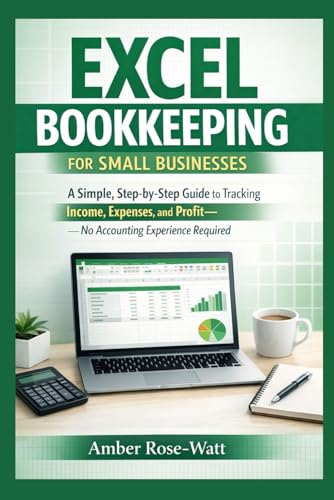
Excel Bookkeeping for Small Businesses: A Simple Step-by-Step Guide to Tracking Income, Expenses, and Profit—No Accounting Experience Required
As an affiliate, we earn on qualifying purchases.
As an affiliate, we earn on qualifying purchases.

Operational Manual for Budgetary Tracking and Financial Analysis in Construction: Market Exploration, Budgeting, Expense Tracking, Turnover Analysis, … Notes. | Format: 160 Pages of 6*9 Inch
As an affiliate, we earn on qualifying purchases.
As an affiliate, we earn on qualifying purchases.