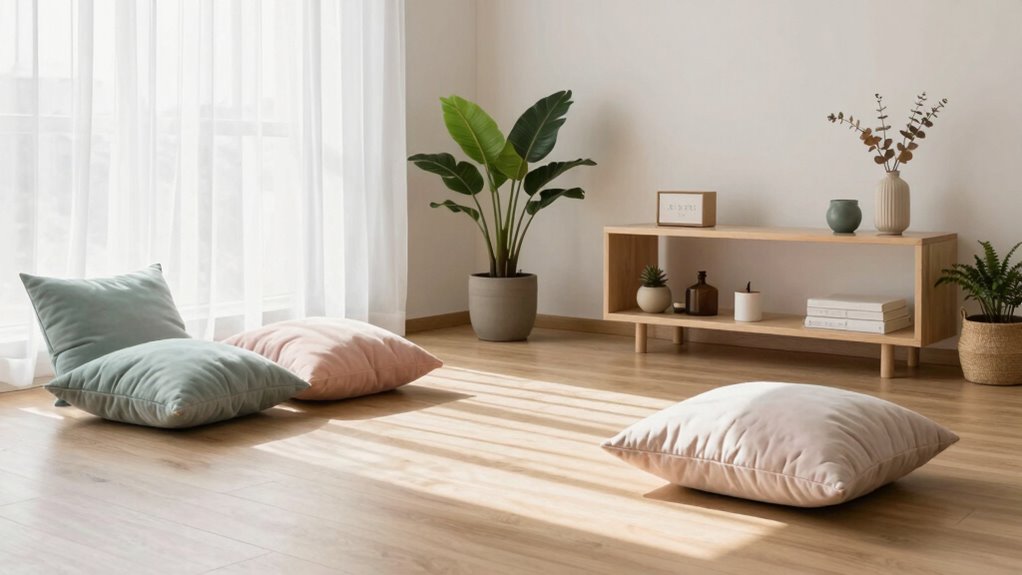

To reset your space naturally supporting better behavior, start by decluttering one area like your desk or kitchen, removing items that don’t serve a purpose or bring joy. Organize with storage solutions and designate specific spots for essentials. Use calming colors and minimal decor to create a peaceful atmosphere. Establish routines and visual cues that reinforce your habits. Maintaining consistent order makes positive behaviors feel effortless. Keep exploring how small changes can make a big difference in creating a supportive environment.

Prime made for students and young adults
- Fast, free delivery for dorm and study essentials
- Prime Video and Amazon Music included
- Member-only deals
Key Takeaways
- Declutter specific areas to reduce distractions and create a calm, focused environment.
- Use soothing colors and minimal decor to promote relaxation and clarity.
- Implement organized storage solutions for easy access and routine maintenance.
- Establish routines and visual cues that reinforce positive behaviors naturally.
- Incorporate natural elements and personal touches to enhance well-being and motivation.
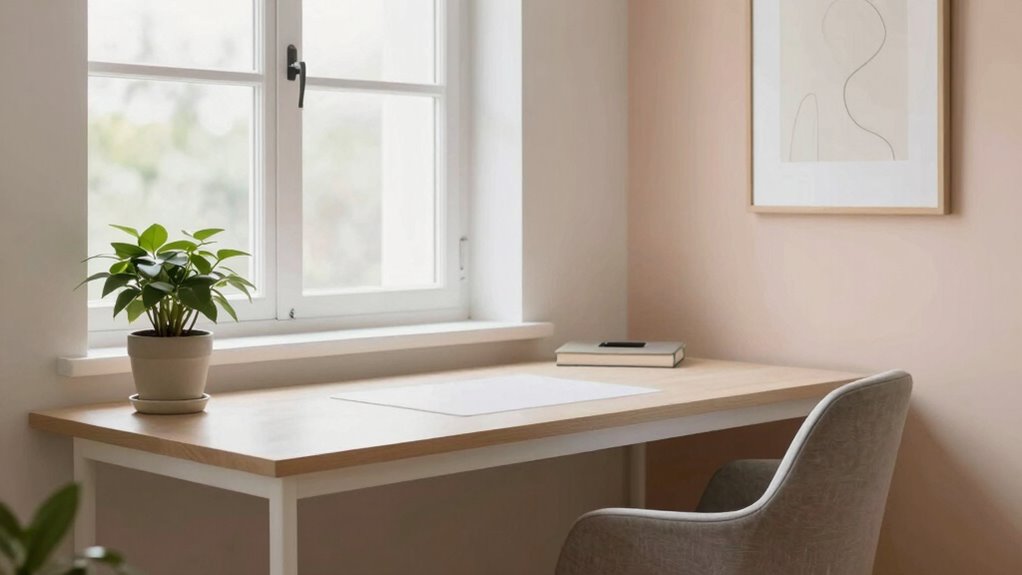
Feeling overwhelmed by clutter or chaos in your environment? It’s a common experience, and the first step toward creating a space where better habits come naturally is to reset your surroundings. When your environment feels disorganized or overwhelming, it’s tough to focus, stay motivated, or develop positive routines. Luckily, a few simple decorating tips and organization hacks can make a big difference. These small changes help you reclaim control and set the stage for healthier behaviors to flourish.
Start by decluttering your space. Pick a specific area—your desk, kitchen counter, or closet—and remove anything that doesn’t serve a purpose or bring you joy. It’s easier to maintain good habits when your environment isn’t full of distractions or visual noise. As you sort through items, be intentional: keep only what genuinely adds value to your life. Once cleared, you’ll find it easier to focus on your intentions and stay motivated to maintain your new routines.
Declutter a specific area to boost focus, motivation, and support your positive habits.
Next, incorporate decorating tips that promote calm and clarity. Use soothing colors or minimalistic decor to create a peaceful atmosphere. Simple, clean lines and uncluttered surfaces can reduce mental clutter, making it easier to keep your space organized and your mind focused. Adding personal touches—like a plant or a favorite photo—can boost your mood and reinforce positive associations with your environment. When your space feels inviting and peaceful, it becomes a natural backdrop for cultivating better behaviors. Creating a biodiversity-inspired environment by introducing natural elements can also enhance your well-being and foster a deeper connection to sustainable living. Research shows that environments with natural elements can reduce stress and improve overall mental health.
Organization hacks are your secret weapon for maintaining this reset. Invest in storage solutions that fit your needs—baskets, bins, or drawer dividers—to keep items sorted and easily accessible. Designate specific spots for essentials, so you don’t have to hunt for things when you need them. Making organization a routine, rather than a chore, ensures your space stays neat without requiring constant effort. For instance, spend five minutes at the end of each day tidying up or returning items to their designated place. These small habits reinforce a sense of order and help prevent clutter from creeping back in.
Finally, establish a consistent routine that aligns with your cleaned and organized space. When your environment supports your goals, behaviors become more intuitive. Use visual cues—like a clean workspace or a designated relaxation corner—to remind yourself of your intentions. Over time, these small, intentional adjustments will make healthier behaviors feel more natural, and your space will serve as a foundation for sustained positive change. Resetting your environment isn’t just about appearance; it’s about creating a supportive setting where good habits can thrive effortlessly.
Frequently Asked Questions
How Often Should I Reset My Space for Optimal Results?
You should reset your space every few months to maintain ideal results. Incorporate feng shui principles to create a harmonious environment, and focus on emotional decluttering during each reset. Regularly clearing clutter and rearranging key elements help energy flow smoothly. This practice keeps your space aligned with your intentions, making better habits feel more natural. Consistency ensures your environment supports your growth and well-being over time.
Can I Reset My Space Without Professional Help?
Yes, you can reset your space without professional help. Imagine gently peeling away emotional attachments like old wallpaper, revealing a fresh, inviting room beneath. DIY decluttering lets you tune into what truly matters, helping you let go of items that no longer serve you. Take it step-by-step, trusting your intuition. With patience and focus, you’ll create a space that feels natural, inspiring better behavior without needing outside assistance.
What Materials Are Best for Resetting Different Types of Spaces?
To reset different spaces effectively, choose materials that match your needs. For decorative accents, opt for versatile items like artwork, plants, or colorful textiles to add personality. Use smart storage solutions like baskets, shelves, or modular units to organize clutter and maximize space. These materials help create a fresh, inviting environment, making better behavior feel natural. Tailor your choices to each space’s function for the best results.
How Long Does It Take to See Behavioral Changes After Resetting?
You might see behavioral changes in as little as a few days, but often it takes weeks for energy flow and emotional clarity to fully realign. Just like a garden needs time to flourish after clearing weeds, your space’s reset allows new habits to settle. Consistent effort accelerates this process, helping you naturally embody better behavior. Be patient—transformation unfolds gradually, and your renewed environment supports lasting change.
Is There a Specific Time of Day Best for Resetting My Space?
The best time to reset your space is during your morning routine or evening ritual. Doing it in the morning helps set a positive tone for the day, while evening resets your environment for restful sleep. Choose a time when you’re most alert or relaxed, so you can focus on creating a calm, organized space. Consistency in these routines makes better behavior feel more natural over time.
Conclusion
Sometimes, it’s funny how a fresh space can change everything—like finding that lost sock or stumbling upon a forgotten note. When you reset your space, you create room for better habits to grow naturally, almost by coincidence. So, next time you tidy up, remember it’s not just about cleanliness but about inviting positive change—because sometimes, the universe just lines up to help you feel more at ease, without even trying.
Fall Picks
fall essentials
As an affiliate, we earn on qualifying purchases.