
The “One Touch Less” rule helps you cut down daily friction by handling each task just once. Instead of revisiting or second-guessing, take immediate action—delete, reply, or archive. This minimizes mental clutter, saves time, and keeps your routines smooth. By making quick, decisive choices, you build habits that boost your productivity and clarity. Stick with it, and you’ll discover how small changes can transform your entire workflow for the better.

Get school and study supplies delivered free — and shop member deals
- Fast, free delivery on millions of items
- Access to Prime Big Deal Days deals on October 6–7
- Prime Video, Amazon Music and more included
Key Takeaways
- Handle each task only once to prevent revisiting and reprocessing, reducing mental and physical clutter.
- Make quick, decisive actions (reply, delete, archive) immediately to streamline workflow.
- Identify repetitive areas (emails, papers) and develop habits to address items on first encounter.
- Minimize distractions and friction points to maintain focus and efficiency throughout the day.
- Cultivate a mindset of decisive, one-touch handling to build sustainable, clutter-free routines.
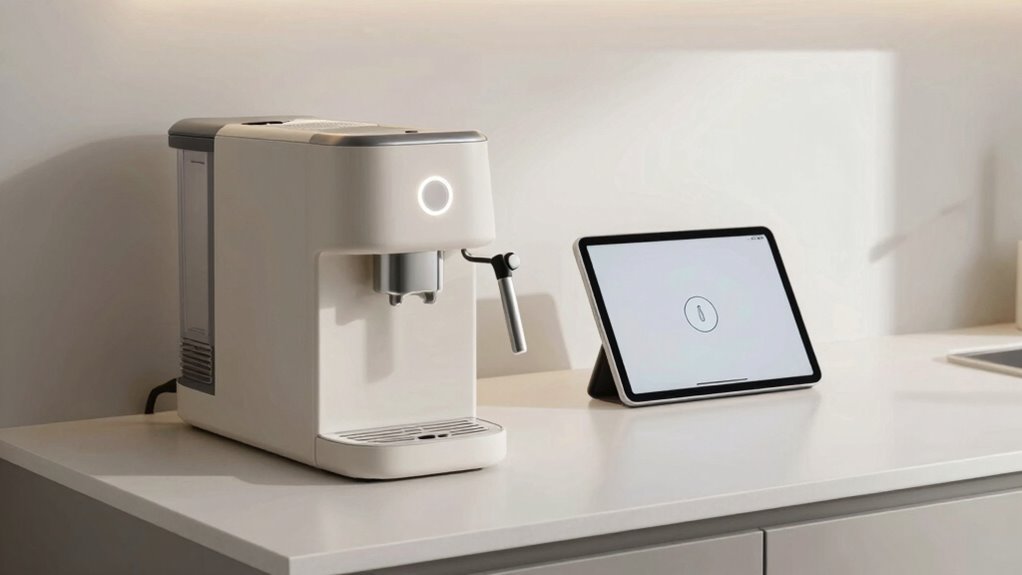
In today’s fast-paced world, small daily frustrations can add up, making tasks feel more burdensome than they need to be. The “One Touch Less” rule is a simple yet powerful way to cut down on unnecessary steps and reduce friction in your daily routines. It’s all about handling things once, rather than multiple times, which directly impacts your time management and productivity habits. When you adopt this rule, you start to see how much time you waste on repetitive actions, and you gain more control over your day.
The core idea is straightforward: whenever you encounter a task, aim to complete it in one go. For example, instead of opening an email, reading it, then leaving it for later, and then going back to respond, you handle it immediately—delete, reply, or archive. This prevents lingering tasks from piling up and causing mental clutter. The same applies to physical items; put away clothes, dishes, or paperwork right after using them instead of leaving them around. Over time, these small habits compound, freeing up your mental space and streamlining your workflow.
Handle tasks immediately to prevent clutter and mental overwhelm, boosting efficiency and streamlining your daily routine.
By consistently applying the “One Touch Less” rule, you enhance your time management. You stop wasting precious minutes on reopening files, rediscovering lost notes, or redoing tasks. Instead, you develop a habit of decisive action, which boosts your productivity habits. This habit encourages you to prioritize what truly matters, reducing the time spent on low-value activities. Effective task management can further increase your efficiency by helping you stay focused and organized. With fewer interruptions and less clutter, you find it easier to focus on important tasks, making your work more efficient and less stressful. Recognizing the importance of mental clutter can motivate you to maintain this discipline and develop healthier routines. Additionally, understanding how to minimize daily friction can lead to more sustainable and enjoyable routines over time. Recognizing the impact of distraction and actively reducing it can further support this habit and improve your focus.
The key to making this rule work is discipline and awareness. Start by identifying areas where you frequently revisit tasks or items. Make a conscious effort to handle each item once—whether it’s an email, a piece of paper, or a small chore. Over time, this practice becomes second nature, and you’ll notice a smoother, more manageable routine. You’ll also feel a sense of accomplishment, as you’re actively decluttering both your physical space and your mind.
Implementing mindful task management techniques can further reinforce this habit, helping you stay consistent and focused. Ultimately, the “One Touch Less” rule isn’t just about saving seconds; it’s about building a mindset that values efficiency and clarity. By minimizing the number of times you touch or handle something, you reduce mental fatigue and free up energy for more meaningful pursuits. It’s a simple shift, but one that can transform how you manage your time and develop better productivity habits every day.
As an affiliate, we earn on qualifying purchases.
Frequently Asked Questions
How Do I Prioritize Tasks for the “One Touch Less” Rule?
To prioritize tasks for the “one touch less” rule, start by using a priority matrix to identify urgent and important tasks. Then, implement task batching by grouping similar tasks together, so you handle each once. Focus on completing high-priority items first, reducing the need to revisit or rework tasks. This approach streamlines your workflow, minimizes friction, and helps you stay efficient throughout your day.
What Tools Can Help Implement the “One Touch Less” Rule Effectively?
You can use automation tools like task managers, email filters, and scheduling apps to implement the “One Touch Less” rule effectively. These tools streamline your workflow, reduce manual effort, and help you handle tasks in fewer touches. Incorporate time management apps to prioritize and organize tasks, ensuring you minimize repeated actions. By leveraging automation and smart time management, you make your daily routines more efficient and frictionless.
Can the “One Touch Less” Rule Be Applied to Digital Workflows?
They say “less is more,” and you can apply the “one touch less” rule to digital workflows by minimizing digital clutter and automating repetitive tasks. By streamlining how you handle emails, files, and data entry, you reduce the number of touches needed to complete tasks. Workflow automation tools help you accomplish this effortlessly, freeing up your time and mental space for more important work, making your digital environment more efficient.
How Long Does It Typically Take to See Results From This Rule?
You’ll usually notice results from applying the “One Touch Less” rule within a few days to weeks. It’s all about habit formation and consistency, so the more you practice, the faster improvement shows up in your productivity. By reducing unnecessary steps and streamlining tasks, you’ll feel more efficient. Keep practicing this technique daily, and over time, it’ll become second nature, markedly boosting your overall workflow.
Are There Common Pitfalls When Adopting the “One Touch Less” Rule?
About 66 days, on average, is how long it takes to solidify a new habit, so pitfalls can delay progress. Common issues include neglecting habit formation principles, which make consistency tough, and building mental resistance. You might get overwhelmed or lose motivation if you’re not clear on your goals, so stay patient, break tasks into manageable steps, and focus on steady progress to avoid these pitfalls.
As an affiliate, we earn on qualifying purchases.
Conclusion
By embracing the “One Touch Less” rule, you gently ease your daily routines, turning small adjustments into moments of quiet grace. Each step you take toward simplicity quietly lightens your load, making life feel a little less burdened and a lot more manageable. When you reduce unnecessary touches, you create space for more meaningful moments. It’s a gentle shift, inviting calm and clarity into your day — a subtle gift that transforms everyday chaos into peaceful flow.
As an affiliate, we earn on qualifying purchases.
As an affiliate, we earn on qualifying purchases.
Fall Picks
fall essentials
As an affiliate, we earn on qualifying purchases.