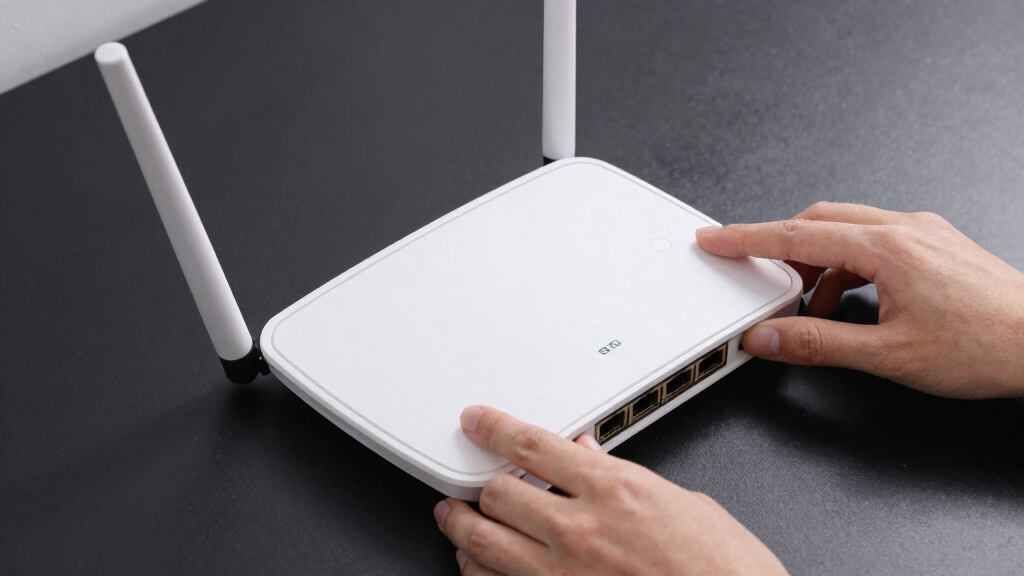

For anyone seeking the best WiFi 7 router with 10GbE, the options are rapidly expanding. The top pick, the ASUS ROG Rapture GT-BE98 PRO, excels with quad-band performance and gaming features, making it ideal for high-demand users. The TP-Link Archer BE24000 stands out for its multi-Gig Ethernet ports and user-friendly touchscreen, perfect for tech-savvy homes. However, these routers often involve tradeoffs: some prioritize speed over ease of use, while others focus on coverage at a higher price. Continue reading for a detailed breakdown of the best options in 2026 and how to pick the right one for your needs.
Key Takeaways
- The best WiFi 7 routers with 10GbE balance speed, coverage, and port options, but tradeoffs exist between price and advanced features.
- Top picks like ASUS ROG GT-BE98 PRO prioritize gaming and high throughput, while models like TP-Link Archer BE24000 focus on multi-Gig Ethernet and user interface.
- Price range varies significantly; premium models offer more features but at a higher cost, whereas budget options may compromise on some advanced capabilities.
- Most routers support multiple bands and extensive device connections, but ensuring compatibility with your existing network equipment is key.
- Setup complexity varies; some models are plug-and-play, while others require more technical knowledge for optimal configuration.
| ASUS ROG Rapture GT-BE98 PRO Quad-Band WiFi 7 Gaming Router with Dual 10G Ports and Game Acceleration |  | Best Overall for High-End Gaming and Heavy Network Use | Product Type: NETWORKING_ROUTER | Frequency Band: Quad-Band | Wireless Compatibility: 802.11.be | VIEW LATEST PRICE | See Our Full Breakdown |
| TP-Link Archer BE24000 Quad-Band WiFi 7 Router with Dual 10 Gbps Multi-Gig Ethernet and Touch Screen |  | Best for Ease of Use with High Speeds and Coverage | Model: Archer BE24000 | Wi-Fi Standard: Wi-Fi 7 (802.11ax) | Maximum Speed: 24.4 Gbps | VIEW LATEST PRICE | See Our Full Breakdown |
| ASUS RT-BE88U Dual-Band WiFi 7 AiMesh Router with 10G Ports |  | Best for Whole-Home Coverage with Advanced Security | Product Type: NETWORKING_ROUTER | Wireless Compatibility: 802.11be, 802.11ac, 802.11ax | Maximum WiFi Speed: 7200 Mbps | VIEW LATEST PRICE | See Our Full Breakdown |
| TP-Link Tri-Band BE9700 WiFi 7 Router (Archer BE600) – 10G Port, 2.5G Port, 3× 2.5G LAN, Covers up to 2,600 sq. ft., 120 Devices, VPN, HomeShield Security |  | Best for Large Homes with Extensive Device Support | WiFi Technology: WiFi 7 | Max Speed: up to 5,765 Mbps | Coverage: up to 2,600 sq. ft. | VIEW LATEST PRICE | See Our Full Breakdown |
| TP-Link Archer BE12000 Tri-Band Wi-Fi 7 Router with 6GHz Band and 10G Connectivity |  | Best for Cutting-Edge WiFi 7 with 6GHz Band and High-Speed Ports | Wi-Fi Bands: Tri-band (6 GHz, 5 GHz, 2.4 GHz) | Max Speed: up to 5,765 Mbps (6 GHz) | Ports: 10 Gbps WAN/LAN, 2.5 Gbps WAN/LAN, three 1 Gbps LAN | VIEW LATEST PRICE | See Our Full Breakdown |
| TP-Link Tri-Band BE11000 Wi-Fi 7 Gaming Router Archer GE650 | 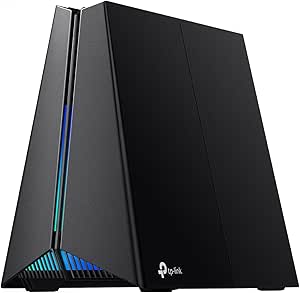 | Best for High-Performance Gaming and Streaming | Wi-Fi Standard: Wi-Fi 7 (802.11ax) | Tri-Band: Yes | Maximum Speed: 11 Gbps | VIEW LATEST PRICE | See Our Full Breakdown |
| NETGEAR Nighthawk Tri-Band WiFi 7 Router (RS700S) | 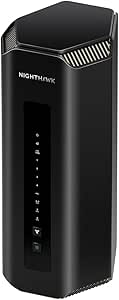 | Best for Maximum Speed and Coverage | WiFi Speed: up to 19 Gbps | Coverage: up to 3,500 sq. ft. | Ports: 1 x 10 Gig, 4 x 1 Gig LAN | VIEW LATEST PRICE | See Our Full Breakdown |
| TP-Link Archer BE3600 Wi-Fi 7 Router Dual-Band, 4-Stream, 2.5G Ports, USB 3.0, Quad Core, 4 Antennas, Mesh Compatible |  | Best for Whole-Home Reliable Wi-Fi at a Moderate Price | Wi-Fi Technology: Wi-Fi 7 | Speed: Up to 3.6 Gbps | Bands: Dual-band (2.4 GHz and 5 GHz) | VIEW LATEST PRICE | See Our Full Breakdown |
More Details on Our Top Picks
ASUS ROG Rapture GT-BE98 PRO Quad-Band WiFi 7 Gaming Router with Dual 10G Ports and Game Acceleration
The ASUS ROG Rapture GT-BE98 PRO stands out for its exceptional speed capabilities, supporting up to 30 Gbps with WiFi 7, making it ideal for gamers and power users who need ultra-stable, fast connections. Unlike the TP-Link Archer BE24000, which offers a slightly lower maximum speed, this router emphasizes triple-level game acceleration to prioritize gaming traffic, reducing lag during intense sessions. Its dual 10G ports provide unmatched wired speed, but the setup can be complex for those unfamiliar with high-end networking gear. The high price and feature set are geared toward those who demand top-tier performance and are willing to handle a more intricate configuration process. If you prioritize maximum gaming performance and wired bandwidth, this is a prime pick.
Pros:- Supports WiFi 7 speeds up to 30 Gbps for ultra-fast gaming and streaming
- Includes dual 10G ports enabling high-speed wired connections
- Triple-level game acceleration prioritizes gaming traffic for minimal lag
- Supports multiple device types with extensive compatibility
Cons:- Complex setup may be challenging for beginners
- Higher price point may not suit budget-conscious users
Best for: Gamers and tech enthusiasts who need the highest speeds and advanced network controls
Not ideal for: Casual users or small households seeking simple setup and basic internet needs
- Product Type:NETWORKING_ROUTER
- Frequency Band:Quad-Band
- Wireless Compatibility:802.11.be
- Maximum Data Transfer Rate:30000 Megabits Per Second
- Number of Ports:7
- LAN Port Bandwidth:10 Gigabit
Bottom line: This router is best for serious gamers and advanced users who require top-tier performance and are comfortable with complex setups.
TP-Link Archer BE24000 Quad-Band WiFi 7 Router with Dual 10 Gbps Multi-Gig Ethernet and Touch Screen
The TP-Link Archer BE24000 offers a compelling blend of high-speed WiFi 7 (up to 24.4 Gbps), an intuitive touchscreen, and comprehensive coverage, making it ideal for demanding households. Compared with the ASUS ROG GT-BE98 PRO, it trades some peak speed for a more user-friendly interface and broader coverage, thanks to 12 antennas and Beamforming. Its touchscreen simplifies setup and ongoing management, but it requires a separate modem, which adds to the overall setup complexity. The extensive port selection and security features support large networks, making this router suitable for tech-savvy users who value a straightforward management experience without sacrificing performance.
Pros:- High WiFi 7 speeds up to 24.4 Gbps support demanding bandwidth needs
- Large coverage area with 12 antennas and Beamforming technology
- User-friendly touchscreen for quick setup and adjustments
- Multiple high-speed Ethernet ports for versatile wired connections
Cons:- Requires separate modem, adding to setup complexity
- Advanced features may be overwhelming for casual users
Best for: Large households needing high speeds and easy management without complex configurations
Not ideal for: Power users seeking the absolute maximum speed or gamers needing ultra-low latency
- Model:Archer BE24000
- Wi-Fi Standard:Wi-Fi 7 (802.11ax)
- Maximum Speed:24.4 Gbps
- Ethernet Ports:1× 10 Gbps WAN/LAN, 1× 10 Gbps Ethernet/Fiber
- Antennas:12 high-performance antennas
- Display:LED touch screen
Bottom line: This router is ideal for large families seeking fast, reliable WiFi with an easy-to-operate interface.
ASUS RT-BE88U Dual-Band WiFi 7 AiMesh Router with 10G Ports
The ASUS RT-BE88U excels in providing robust whole-home coverage thanks to AiMesh support and a strong suite of security features, including VPN and Trend Micro protection. With speeds up to 7200 Mbps and a total wired capacity of 34 Gbps, it surpasses the TP-Link BE600 in wired bandwidth, making it suitable for large, demanding setups. However, its dual-band configuration, while powerful, limits the total WiFi bandwidth compared to tri-band options like the BE600 or BE12000, which may impact performance in extremely dense environments. The setup process, though detailed, could be complex for less experienced users. This model makes sense for households prioritizing security, seamless coverage, and high-speed wired connections over maximum wireless throughput.
Pros:- Supports speeds up to 7200 Mbps with WiFi 7
- AiMesh support enables flexible whole-home coverage
- High wired capacity with 10G ports for demanding devices
- Enhanced security with VPN and Trend Micro
Cons:- Dual-band limits total WiFi bandwidth compared to tri-band counterparts
- Setup may be complex for beginners
Best for: Homeowners needing reliable whole-home WiFi with strong security features
Not ideal for: Users who want the absolute highest wireless speeds or simple plug-and-play setups
- Product Type:NETWORKING_ROUTER
- Wireless Compatibility:802.11be, 802.11ac, 802.11ax
- Maximum WiFi Speed:7200 Mbps
- Number of Ports:8
- LAN Port Bandwidth:10 Gbps
- Features:AiMesh, VPN, Security
Bottom line: Best suited for users seeking secure, extensive coverage with high wired speeds, especially in larger homes.
TP-Link Tri-Band BE9700 WiFi 7 Router (Archer BE600) – 10G Port, 2.5G Port, 3× 2.5G LAN, Covers up to 2,600 sq. ft., 120 Devices, VPN, HomeShield Security
The TP-Link Archer BE600 offers a balanced approach with tri-band WiFi 7, supporting up to 5,765 Mbps on 6 GHz, and multiple high-speed ports including 10G and 2.5G, making it ideal for large homes with many connected devices. Compared to the ASUS RT-BE88U, this model provides a broader coverage area and more bandwidth for multiple users, but it may be more complex to optimize fully. Its security features and easy setup via the Tether app make it accessible for most users, though some technical knowledge can enhance performance tuning. This router fits well for those needing fast WiFi and extensive wired options across a big property.
Pros:- Supports WiFi 7 with speeds up to 5,765 Mbps on 6 GHz
- Multiple multi-gig ports including 10G and 2.5G
- Covers up to 2,600 sq. ft. with strong signal focus
- Easy setup with mobile app and robust security
Cons:- Premium pricing may be a barrier for some
- Complex feature set could be overwhelming for non-technical users
Best for: Large households with many devices requiring fast WiFi and reliable wired connections
Not ideal for: Small apartments or users seeking ultra-simple setups with minimal features
- WiFi Technology:WiFi 7
- Max Speed:up to 5,765 Mbps
- Coverage:up to 2,600 sq. ft.
- Ports:10 Gbps WAN/LAN, 2.5 Gbps WAN/LAN, three 2.5 Gbps LAN
- Device Capacity:120 devices
- Security:HomeShield, VPN
Bottom line: Ideal for large homes demanding high-speed WiFi and extensive wired connectivity for many devices.
TP-Link Archer BE12000 Tri-Band Wi-Fi 7 Router with 6GHz Band and 10G Connectivity
The TP-Link Archer BE12000 pushes the limits of WiFi 7 with its tri-band design, including the latest 6GHz band, and multiple high-speed ports, making it suitable for demanding streaming, gaming, and smart home setups. Its 10G port and 6 GHz support mean less congestion and faster speeds overall, especially compared to dual-band options like ASUS RT-BE88U. While setup is straightforward with the Tether app, the extensive feature set might be daunting for casual users. This router makes the most sense for tech-savvy homes that want the latest WiFi 7 innovations paired with extensive wired options for maximum performance.
Pros:- Supports WiFi 7 with access to 6 GHz band for minimal congestion
- Multiple high-speed ports including 10G and 2.5G interfaces
- Advanced security and easy setup with TP-Link Tether
- Supports extensive device connectivity with high throughput
Cons:- Requires a separate modem, adding to initial setup complexity
- High-end features may be underutilized in smaller environments
Best for: Tech enthusiasts and power users seeking the latest WiFi 7 features and high-speed wired connections
Not ideal for: Average users or those with small homes who don’t need the latest features or extensive wired ports
- Wi-Fi Bands:Tri-band (6 GHz, 5 GHz, 2.4 GHz)
- Max Speed:up to 5,765 Mbps (6 GHz)
- Ports:10 Gbps WAN/LAN, 2.5 Gbps WAN/LAN, three 1 Gbps LAN
- Coverage:Up to 3,000 sq. ft.
- Compatibility:Alexa, Google Assistant, EasyMesh
- Security:HomeShield with WPA3
Bottom line: Best for users wanting cutting-edge WiFi 7 technology with maximum wired and wireless performance in demanding environments.
TP-Link Tri-Band BE11000 Wi-Fi 7 Gaming Router Archer GE650
The TP-Link Archer GE650 stands out for its exceptional speeds over 11 Gbps, making it an excellent choice for gamers and streamers who demand low latency and high throughput. Compared to the NETGEAR RS700S, it offers a more specialized gaming experience with dedicated traffic management, though it doesn’t match the RS700S’s sheer coverage or 19 Gbps speed. Its tri-band setup and multi-gig ports support several high-bandwidth devices simultaneously, but the premium price and complex feature set could overwhelm casual users. The RGB lighting, while appealing to some, is purely aesthetic and adds no performance value. Overall, this router makes the most sense for dedicated gamers or streamers who want top-tier speed and traffic optimization, accepting a higher cost and complexity.
Pros:- Exceptional high-speed Wi-Fi 7 performance over 11 Gbps
- Dedicated game acceleration for optimized traffic flow
- Supports multiple high-bandwidth devices via multi-gig ports
Cons:- Premium price point may be prohibitive for some buyers
- Complex feature set could be overwhelming for casual users
Best for: Hardcore gamers and streamers needing ultra-low latency and traffic prioritization
Not ideal for: Casual users or small households who prefer simple setup and affordability
- Wi-Fi Standard:Wi-Fi 7 (802.11ax)
- Tri-Band:Yes
- Maximum Speed:11 Gbps
- Processor:1.5 GHz quad-core CPU
- Ports:2× 5G WAN/LAN, 3× 2.5G LAN, USB 3.0
- Supported Devices:Up to 100
- Security:HomeShield, DoS protection, SPI firewall
- Dimensions:9.33 x 7.6 x 5.1 inches
Bottom line: This router is ideal for gamers and streamers who prioritize speed and traffic management over simplicity and cost.
NETGEAR Nighthawk Tri-Band WiFi 7 Router (RS700S)
The NETGEAR RS700S offers a blistering speed of up to 19 Gbps and a large coverage area of up to 3,500 sq. ft., making it ideal for large households or users with high-bandwidth needs across multiple rooms. Unlike the TP-Link Archer GE650, which is tailored toward gaming, the RS700S emphasizes raw speed and extensive coverage, supported by a sleek, compact design and a 10 Gig internet port. However, it requires a separate modem, adding complexity and cost, and is only officially available in the U.S., limiting its accessibility. While it’s a top choice for those who want maximum performance and coverage, the price can be steep, and it may be overkill for smaller homes or less demanding users. It makes the most sense for tech-savvy households seeking ultimate speed and wide coverage, willing to handle setup complexity.
Pros:- Unmatched Wi-Fi 7 speeds up to 19 Gbps
- Large coverage area supporting multiple users
- Includes a 10 Gig internet port for blazing fast wired connectivity
Cons:- Requires a separate modem, adding setup complexity
- Premium price may be prohibitive for some buyers
- Limited to U.S. market
Best for: Large households and tech enthusiasts needing top speed and extensive coverage
Not ideal for: Small apartments or users with limited technical knowledge who prefer all-in-one solutions
- WiFi Speed:up to 19 Gbps
- Coverage:up to 3,500 sq. ft.
- Ports:1 x 10 Gig, 4 x 1 Gig LAN
- Dimensions:11.09 x 5.59 x 4.88 inches
- Subscription:1-year Armor included
- Compatibility:Any internet service provider (modem required)
Bottom line: This router is best suited for users demanding maximum speed and coverage, despite its higher cost and setup complexity.
TP-Link Archer BE3600 Wi-Fi 7 Router Dual-Band, 4-Stream, 2.5G Ports, USB 3.0, Quad Core, 4 Antennas, Mesh Compatible
The TP-Link Archer BE3600 provides dual-band Wi-Fi 7 speeds up to 3.6 Gbps, making it a solid choice for high-speed internet in typical home environments. While it doesn’t match the raw power of the NETGEAR RS700S or the gaming focus of the GE650, its support for Multi-Link Operation and mesh compatibility offers flexible coverage and reliable performance across up to 2,000 sq. ft. — suitable for medium-sized homes. Its multiple gigabit ports and security features make it versatile for wired and wireless devices, but its dual-band design and lack of 6 GHz support limit future-proofing and peak performance in very demanding environments. This makes it ideal for users who want a balanced mix of speed, coverage, and ease of use, without the premium cost or complexity of top-tier gaming or enterprise routers.
Pros:- Fast Wi-Fi 7 speeds up to 3.6 Gbps
- Supports seamless mesh networking for whole-home coverage
- Multiple gigabit ports for wired connections and security features
Cons:- Limited to dual-band, no 6 GHz support
- Requires a separate modem, adding to setup complexity
- Performance may vary with obstacles and environment
Best for: Home users seeking reliable high-speed Wi-Fi with mesh support and manageable setup
Not ideal for: Power users or gamers who need maximum possible speed or low latency for competitive gaming
- Wi-Fi Technology:Wi-Fi 7
- Speed:Up to 3.6 Gbps
- Bands:Dual-band (2.4 GHz and 5 GHz)
- Ports:1×2.5 Gbps WAN, 1×2.5 Gbps LAN, 3×1 Gbps LAN
- Processor:Quad-core 2.0 GHz
- Coverage:Up to 2,000 sq. ft.
Bottom line: This router offers a balanced combination of speed, coverage, and ease for typical home users who want reliable performance without overcomplicating setup or budget.
How We Picked
To select these routers, I evaluated performance metrics such as maximum throughput, multi-Gig port availability, and WiFi 7 capabilities. Build quality and feature set, including security, user interface, and additional ports, were critical factors. Usability was also considered—models with straightforward setup and management gained higher rankings, while those requiring extensive configuration were rated lower. Cost-to-value ratio played a role, ensuring options suited different budgets without sacrificing essential features. The ranking reflects a mix of performance, ease of use, and future-proofing, aiming to guide various buyer profiles from enthusiasts to casual users.Factors to Consider When Choosing Best Wifi 7 Router With 10gbe
Choosing the best WiFi 7 router with 10GbE involves balancing technical specifications with practical needs. Not all routers are created equal; some excel in raw speed, while others prioritize coverage or ease of setup. Understanding key factors will help you avoid common pitfalls, such as overpaying for features you won’t use or buying a router incompatible with your existing equipment. Here are core considerations to keep in mind:Performance and Speed Capabilities
Look beyond advertised speeds—consider real-world throughput, especially if you plan to stream 4K content, game online, or transfer large files. WiFi 7 offers significant improvements, but actual performance depends on your device compatibility and network environment. The presence of dual or quad-band support ensures better distribution of traffic, reducing bottlenecks. Prioritize routers with multi-Gig ports if wired speed is critical, but remember that your internet plan must also support these speeds for full benefit.
Port Selection and Connectivity Options
Not all 10GbE ports are equal—some routers feature a single 10GbE port, while others include multiple, which can be a game-changer for home labs or business setups. Check whether the ports support 2.5G, 5G, or 10G speeds, based on your needs. The number of LAN ports, USB options, and additional features like VPN support can also influence your overall experience. Be wary of routers that sacrifice port quality or quantity for other features, as wired connectivity remains vital for many high-speed tasks.
Ease of Setup and Management
Some routers offer intuitive mobile apps, clear web interfaces, and straightforward setup processes, making them accessible even for less tech-savvy users. Others may require advanced configuration, which can be time-consuming and complex. Consider whether the router provides features like automatic firmware updates, parental controls, or security options such as HomeShield, which can add value without complicating setup. A simpler management interface can save significant time and reduce frustration in everyday use.
Coverage and Mesh Compatibility
WiFi 7 routers vary in coverage, with some designed for large homes or office spaces. If your space exceeds typical ranges, look for models supporting mesh networking or that are compatible with existing mesh systems. Keep in mind that even the most powerful router may struggle to provide seamless coverage in large or obstructed environments without additional nodes. Balancing coverage needs with speed is key—more antennas and advanced beamforming can improve range but may increase cost.
Price and Future-Proofing
While premium models bring advanced features, they often come at a steep price. Assess whether you truly need the highest-end capabilities or if a mid-tier model suffices. Investing in a router with robust WiFi 7 support and multiple multi-Gig ports can extend its usefulness as your network requirements grow. Conversely, avoid overpaying for features unlikely to be used, especially if your current setup is modest. Consider long-term compatibility with upcoming devices and internet plans when making your decision.
Frequently Asked Questions
Will my existing devices benefit from WiFi 7 and 10GbE ports?
Most existing devices will not immediately benefit from WiFi 7 or 10GbE ports unless they are explicitly designed to support these standards. WiFi 7 is backward compatible, so older devices will still connect, but without the speed improvements. To fully utilize the high-speed wired ports, your devices need to have compatible network interfaces. Upgrading your devices gradually will help you realize the full potential of a WiFi 7 router with 10GbE, but immediate benefits depend on device support.
Is it worth paying extra for a router with multiple 10GbE ports?
Paying more for multiple 10GbE ports makes sense if you have a high-performance wired network, such as for gaming, large data transfers, or small business setups. Multiple ports enable direct connections to servers or NAS devices at maximum speeds, reducing bottlenecks. However, if your current setup only requires one or two high-speed connections, a router with a single 10GbE port may suffice. Consider your future needs and whether your network infrastructure supports multiple high-speed wired connections before investing.
How important is WiFi 7 support if I already have WiFi 6 devices?
WiFi 7 support offers significant improvements in speed, latency, and congestion management, which can be beneficial even if your current devices are WiFi 6. As newer devices adopt WiFi 7, your router’s compatibility ensures you’re ready for future upgrades. If your current devices are primarily WiFi 6, investing in WiFi 7 now can future-proof your network, but the immediate benefits will be limited until your device ecosystem also upgrades.
Should I prioritize coverage or speed when choosing a WiFi 7 router?
This depends on your home or office size and usage patterns. If you have a large space with many obstacles, prioritize coverage features like multiple antennas, beamforming, and mesh compatibility. For smaller spaces or high-demand tasks like gaming and streaming, focus on speed and port options. Many routers balance both, but understanding your environment will help you select the best fit without overpaying for unnecessary features.
What security features should I look for in a WiFi 7 router?
Security remains a critical aspect of any router purchase. Look for built-in features such as WPA3 encryption, automatic firmware updates, and advanced security suites like TP-Link’s HomeShield or ASUS AiProtection. These features help protect your network from threats and unauthorized access. A router with easy-to-manage security tools and regular updates provides peace of mind without complicating daily use, especially in environments with multiple connected devices.
Conclusion
For users seeking the best overall experience, the ASUS ROG Rapture GT-BE98 PRO offers top-tier performance and gaming features, making it ideal for high-demand households or enthusiasts. If you prioritize value and versatile wired options, the TP-Link Archer BE24000 stands out with multiple multi-Gig ports and a user-friendly interface. For those with a higher budget aiming for premium features, the NETGEAR Nighthawk RS700S provides a seamless, fast, and future-proof setup. Beginners or smaller setups will benefit from simpler models like the TP-Link Archer BE3600, which balances performance with ease of use. Ultimately, your choice should align with your network size, device ecosystem, and budget—each of these options offers a clear edge for specific needs.