
TL;DR

Prime made for students and young adults
- Fast, free delivery for dorm and study essentials
- Prime Video and Amazon Music included
- Member-only deals
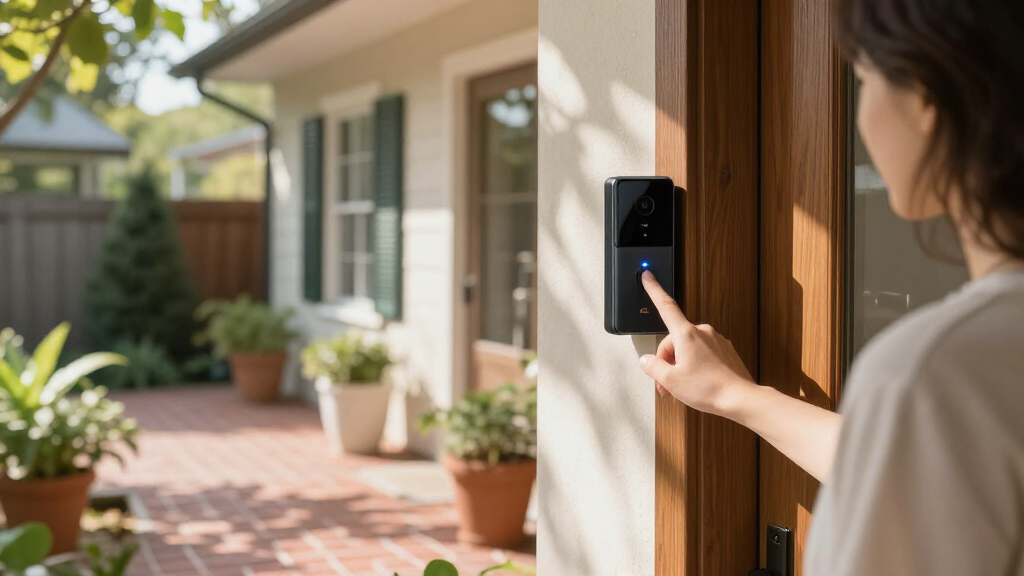
A true no-subscription video doorbell provides local recording, alerts, and live view without recurring fees. Many marketed products fall short—this guide highlights those that really deliver full functionality offline.
Imagine a doorbell that keeps a watchful eye on your porch, records every visitor, and alerts you instantly—all without monthly fees. It sounds too good to be true, but the right models make this possible. If you’re tired of paying for cloud storage or subscription plans, you’re not alone. Many homeowners want security that stays within their control, not on some remote server.
In this guide, you’ll learn exactly what to look for in a truly free, no-subscription video doorbell. We’ll break down the top options, what features are essential, and how you can set up a system that’s both private and reliable—without ongoing costs. Whether you want local storage, instant alerts, or crisp video, this is your road map to smarter, cheaper security.
True no-subscription doorbells record locally, provide alerts, and support remote access without cloud fees.
Prioritize models with microSD or NVR storage—these protect your footage even if the device is stolen.
Wired or PoE setups offer more reliable, continuous recording, but require installation effort.
Field of view, detection accuracy, and event management features matter more than megapixels.
Always verify what features are free and what relies on cloud services—don’t assume advertised ‘no subscription’ covers everything.
What Does ‘No Subscription’ Really Mean? Don’t Fall for the Hype
When a doorbell claims to be ‘no subscription,’ it should do more than just show live video. It needs to record events, send alerts, and let you review footage without extra fees. Many products advertise free operation but hide restrictions—like limited clips or delayed notifications that depend on cloud services.
For example, some models only store footage temporarily on a microSD card, with no way to access past events unless you remove the card. Others might offer local recording but require cloud access for notifications or remote viewing. A truly free system keeps your footage and alerts local, giving you full control and privacy.
Always check if the free features include event playback, detection zones, notifications, and remote access. If any of these depend on a cloud subscription, your system isn’t fully free. Understanding this distinction is crucial because many products might advertise ‘no subscription’ but still rely on cloud services for core features. This reliance can lead to unexpected costs or privacy concerns if you later want full offline control. The implications are significant: choosing a system that depends on cloud for basic functions diminishes your privacy and can limit functionality if your internet goes down.
no subscription video doorbell with local storage
As an affiliate, we earn on qualifying purchases.
As an affiliate, we earn on qualifying purchases.
Local Storage Options That Keep Your Footage Safe and Private
Local storage is the backbone of a truly free doorbell because it ensures your footage is kept under your control without relying on external servers. Choosing the right storage method affects your privacy, security, and ease of access. For instance, microSD cards installed directly inside the doorbell are simple and cost-effective, but they can be vulnerable to theft or damage. If someone steals your device, they also gain access to the stored footage unless the card is encrypted or protected.
Alternatively, dedicated indoor hubs with internal storage or network video recorders (NVRs) centralize multiple camera feeds and store footage offline. This setup provides a higher level of security—since the recordings are stored in a location separate from the device, often behind a secure door or in a locked cabinet. It also allows for easier management of multiple cameras, creating a comprehensive local security system.
Understanding the tradeoffs is essential: internal storage like microSD cards is easy to install but can be physically compromised. NVRs or NAS devices are more complex and costly upfront but offer scalable, tamper-proof storage that enhances privacy and security. The key is choosing a storage solution that aligns with your risk level and technical comfort, ensuring your footage remains private and accessible only to you, even if the device is stolen or tampered with.
battery-powered video doorbell with microSD card
As an affiliate, we earn on qualifying purchases.
As an affiliate, we earn on qualifying purchases.
Battery, Wired, or PoE: What Power Setup Fits Your Home?
Power options influence how you install and use your doorbell, affecting reliability and convenience. Battery-powered models are popular because they are quick to install and don’t require wiring, making them ideal for renters or temporary setups. However, their reliance on batteries means they may miss events if the battery is depleted, and recharging can be inconvenient—especially if you forget or delay doing so. This tradeoff impacts the system’s reliability and the frequency of maintenance.
Wired models, connected directly to your existing doorbell transformer, provide continuous power, enabling constant recording and immediate alerts. This setup minimizes maintenance and ensures your system is always operational, which is critical for security. The tradeoff is that wiring installation can be complex, especially if your existing transformer is outdated or if your home has difficult access points. Proper wiring also requires some technical skill or professional help, adding to the initial setup cost.
Power over Ethernet (PoE) combines power and data transmission over a single Ethernet cable, offering a highly reliable and high-quality video feed with minimal latency. It’s ideal for those seeking professional-grade security, but installing PoE requires running Ethernet cables from your router to the door, which can be challenging in existing structures. This method provides uninterrupted power and data, making it suitable for critical security setups but at the cost of increased complexity and upfront investment.
For example, a battery model like the Blink Video Doorbell is easy to install and flexible but may require frequent recharging, risking missed events during downtime. Conversely, a wired Reolink model offers uninterrupted operation but demands more effort during installation. Your choice should consider your home’s wiring infrastructure, your willingness to perform or pay for professional installation, and your needs for reliability versus convenience.
wired no subscription doorbell camera
As an affiliate, we earn on qualifying purchases.
As an affiliate, we earn on qualifying purchases.
Frequently Asked Questions
Do video doorbells work without a subscription?
Yes, many do. The best models store footage locally, send alerts directly to your device, and let you view recordings without paying extra. Just double-check that detection, alerts, and remote viewing are included in the free features.
Can I watch recordings remotely without paying?
Often, yes. Many brands let you access clips stored on a microSD or NVR via their app without a subscription. Just confirm that remote access isn’t limited to live view or cloud-only storage.
Can a no-subscription doorbell work without internet?
It can record locally during an internet outage, but notifications and remote viewing usually depend on internet connectivity. For full independence, choose a system with local alerts and offline access options.
Where are recordings stored?
They can be on microSD cards, internal storage, or a dedicated NVR or NAS. Internal storage remains safe if the device is stolen, especially when the device is protected inside your home or a secure hub.
Are local-storage doorbells more private?
Generally, yes. They keep recordings off the cloud, reducing external access. But app-based notifications or remote controls might still pass through manufacturer servers, so verify what’s truly local.
PoE video doorbell with local recording
As an affiliate, we earn on qualifying purchases.
As an affiliate, we earn on qualifying purchases.
Conclusion
Choosing a doorbell that works without a subscription isn’t just about saving money—it’s about reclaiming your privacy and control. Focus on local storage, reliable detection, and a setup that fits your home’s wiring and lifestyle. The right system keeps your footage safe, your alerts accurate, and your peace of mind intact.
Remember: the best no-subscription doorbell isn’t just a device—it’s a smart, private gatekeeper you control, not a cloud vendor. Take your time, ask the right questions, and pick a system that truly puts your security first.
Halloween Picks
halloween
As an affiliate, we earn on qualifying purchases.