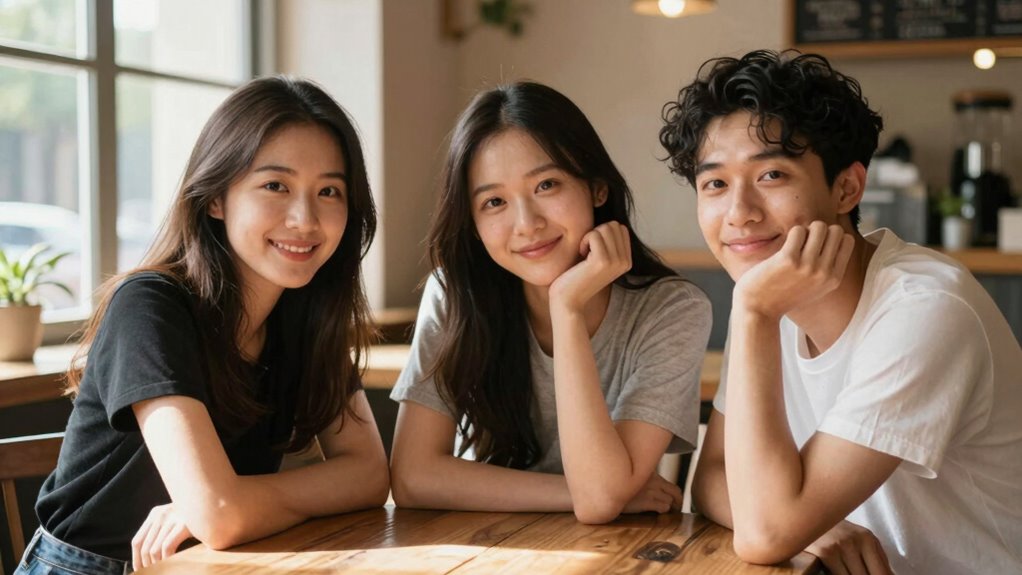

To effectively capture faces, position your camera at eye level for a natural, engaging perspective. Avoid extreme angles like high or low shots, which can distort features and reduce clarity. Use the rule of thirds by placing the eyes along the top third of the frame, and make certain the lighting is even and soft to flatter your subject. Proper placement not only highlights facial expressions but also creates a confident look. Keep exploring to master perfect camera angles.

Prime made for students and young adults
- Fast, free delivery for dorm and study essentials
- Prime Video and Amazon Music included
- Member-only deals
Key Takeaways
- Position the camera at eye level for natural, engaging facial capture.
- Use medium close-up framing (chest up) to clearly show facial expressions.
- Avoid extreme angles; keep the camera straight or slightly angled for flattering results.
- Ensure consistent height to prevent distortions and maintain focus on facial features.
- Frame with the rule of thirds, placing eyes along the top third line for balanced composition.

Choosing the right camera placement is vital for capturing clear, effective footage. When you’re setting up your shot, consider how lighting choices will influence the overall look and feel. Good lighting can highlight facial expressions, add depth, and create mood, so position your camera where it can take advantage of natural or artificial light sources. If you’re filming indoors, avoid placing the camera directly opposite windows, as this can cause backlighting that obscures faces. Instead, try to position your subject so the light falls evenly across their face, illuminating features without causing harsh shadows. When outdoors, aim for the golden hour—shortly after sunrise or before sunset—when soft, warm light enhances facial details without creating unflattering shadows. Proper camera settings also play a crucial role in achieving the best image quality, adjusting exposure and focus for optimal results.
Framing techniques are equally vital. Your camera should be placed at a distance that captures the subject’s face clearly, typically using a medium close-up shot that frames from the chest up. This ensures facial expressions are prominent and recognizable. Keep in mind the rule of thirds: position the subject’s eyes along the top third of the frame for a natural and engaging composition. Avoid placing the face dead center, which can feel static, unless that’s your artistic intent. Instead, angle the camera slightly for a more dynamic view, but stay mindful of the background to prevent distractions or clutter from pulling focus away from the face. The angle and height matter, too. Shooting at eye level creates a direct, intimate connection, making viewers feel as if they’re in conversation with your subject. Low or high angles can distort facial features and reduce clarity, so stick to a straightforward perspective unless a different effect is desired.
Lighting choices and framing techniques also influence how your subject’s face appears on camera. Soft, diffused light minimizes imperfections and creates a flattering look, so consider using reflectors or diffusers if you’re working with harsh sunlight or strong indoor lights. When framing, leave some space around the head—an inch or two—to avoid a cramped look, but don’t leave so much empty space that the face seems lost. Focus on positioning your camera to keep facial features sharp and well-lit, which often means adjusting your angle slightly to avoid shadows and ensure even illumination.
camera tripod for portrait photography
As an affiliate, we earn on qualifying purchases.
As an affiliate, we earn on qualifying purchases.
Frequently Asked Questions
How Does Lighting Affect Camera Angle Choices?
Lighting greatly influences your camera angle choices because it creates mood and highlights faces effectively. You should consider lighting techniques like front lighting to illuminate features clearly or shadow play to add depth and drama. Proper lighting guides your angle selection, ensuring faces are well-lit and expressive. By adjusting angles to suit the lighting, you enhance visibility and emotional impact, making your shots more compelling and visually balanced.
What Are the Best Angles for Candid Shots?
You should position your camera slightly above and to the side of your subject to capture natural expressions and candid moments. Use a relaxed, unobtrusive angle that lets people act naturally without feeling watched. Keep it steady and at eye level when possible, so you don’t distort faces. This approach helps you preserve authentic reactions, making your shots feel genuine and capturing those spontaneous, memorable moments effortlessly.
How Do Height Differences Influence Camera Positioning?
Height differences impact your camera positioning considerably. When subjects vary in height, you should adjust your angle to minimize perspective distortion—shooting slightly from a lower angle for taller individuals and higher for shorter ones. This approach helps keep proportions natural and faces well-captured. By considering height variation, you ensure every face is framed correctly, maintaining balance and avoiding distortions that could distract from the shot’s focus.
What Equipment Is Recommended for Optimal Angles?
For ideal angles, you should choose a versatile lens like a 50mm or 85mm, which captures natural facial proportions. Use a sturdy tripod to stabilize your shots and guarantee consistent framing, especially when adjusting for height differences. Remarkably, using the right equipment can improve face visibility by up to 30%. Focus on lens selection and tripod use, and you’ll get clear, flattering shots every time.
How Can Background Influence Face Capture Quality?
Your background considerably influences face capture quality by affecting depth perception and highlighting background clutter. A clean, simple background helps the camera distinguish your face from the surroundings, improving focus and clarity. Avoid cluttered or distracting backgrounds, which can reduce depth perception and make your face less prominent. By selecting a tidy background, you enhance the camera’s ability to capture your face sharply, resulting in a more professional and engaging image.
softbox lighting kit for indoor portraits
As an affiliate, we earn on qualifying purchases.
As an affiliate, we earn on qualifying purchases.
Conclusion
So, next time you set up your camera, remember that angling it slightly above eye level truly captures faces best. Some say this angle also conveys authority and approachability—making it more than just a technical detail. While theories about eye contact and facial expressions exist, testing different angles shows you get clearer, more engaging shots. Ultimately, experimenting with camera placement isn’t just about looks; it’s about capturing genuine, compelling moments that connect with your viewers.
As an affiliate, we earn on qualifying purchases.
As an affiliate, we earn on qualifying purchases.
Fall Picks
fall essentials
As an affiliate, we earn on qualifying purchases.