Authority bias makes you trust experts’ opinions, even when they’re wrong, because you tend to accept information from authority figures without question. This bias can cloud your judgment and cause you to overlook mistakes or biases in their advice. Experts’ credentials and influence tactics, like citing reputable sources, boost their persuasiveness. Understanding how this works helps you critically evaluate claims and recognize potential pitfalls—if you stay curious, you’ll discover more ways to navigate influence.
Key Takeaways
- Authority bias leads us to accept expert opinions without critical evaluation, even when they may be incorrect.
- Experts’ impressive credentials and influence tactics can make their claims seem more credible than they are.
- Experts can be wrong due to limited data, biases, or outdated information, yet still persuade others effectively.
- Recognizing authority bias involves critical thinking and verifying information through independent sources.
- Awareness of authority bias helps make more informed decisions, reducing undue influence from perceived expertise.
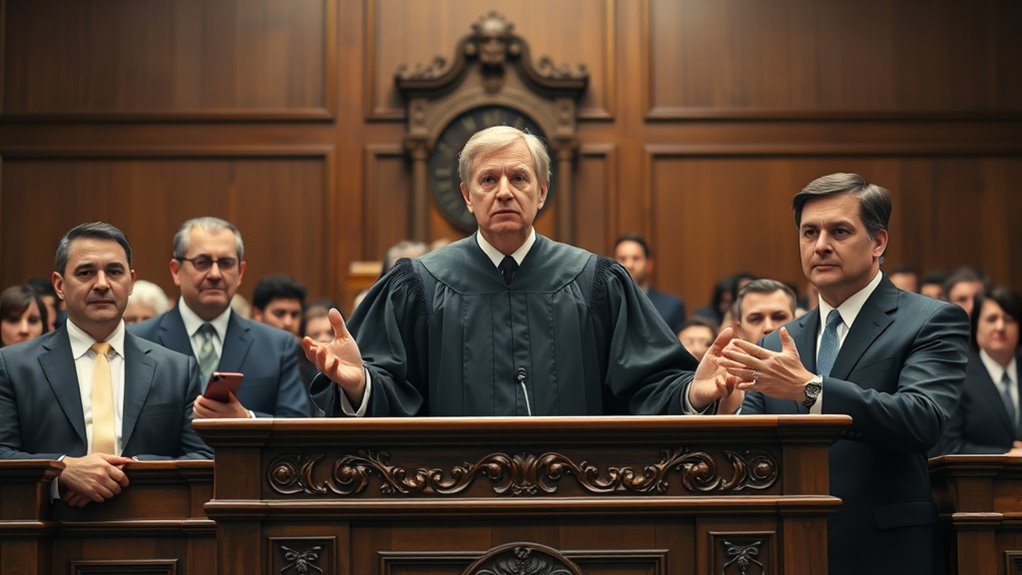
Authority bias occurs when you are more likely to accept someone’s opinions or directives simply because they are perceived as an authority figure. This tendency can cloud your judgment, making you overlook the possibility that even experts can be wrong. It’s natural to trust authority figures—they often possess what seems like expert credibility, which reinforces their influence tactics. When you see someone with a high status or impressive credentials, you’re more inclined to believe what they say without questioning. This is partly because we associate expert credibility with accuracy, even though expertise doesn’t guarantee infallibility. Experts can have biases, incomplete information, or make mistakes, yet their influence remains powerful because their authority seems undeniable. Recognizing the pricing variation among different models can also help you assess their claims more critically. Being aware of influence tactics used by authority figures gives you an edge. For instance, experts might appeal to your desire for certainty or safety, suggesting that their advice is the only correct choice. They may also use social proof, citing other reputable sources or consensus to bolster their position. Recognizing these tactics helps you to pause and evaluate whether their claims are genuinely supported by evidence or if you’re just falling prey to the authority bias.
It’s important to remember that expert credibility is built over time and based on specific knowledge or skills. But that doesn’t mean it’s absolute. Sometimes, an expert’s opinion is based on limited data, outdated information, or personal biases. When you encounter advice from an authority, ask yourself what evidence supports their claims and whether other credible sources offer different perspectives. Don’t assume correctness solely because someone holds a prestigious title or has a commanding presence.
You can counteract authority bias by cultivating critical thinking and seeking independent verification. When someone in a position of authority makes a recommendation, look beyond their influence tactics and examine the facts. Cross-check information, consider alternative viewpoints, and remember that even the most credible experts can be mistaken. Recognizing the limits of authority helps you make more informed decisions and resist being unduly influenced by perceived expertise. Ultimately, understanding how authority bias works empowers you to evaluate expert opinions more objectively, ensuring your choices are grounded in evidence rather than just influence tactics.
Frequently Asked Questions
How Can I Identify Authority Bias in Everyday Decisions?
To spot authority bias in everyday decisions, pay attention to credibility cues like titles or uniforms that suggest expertise. Be cautious of expert jargon, which can be used to impress or confuse you. Ask yourself if you’re accepting their advice because of genuine evidence or simply because they sound convincing. Challenging assumptions and seeking additional sources helps you avoid being swayed solely by perceived authority.
What Are the Psychological Reasons Behind Trusting Experts Too Much?
Did you know 70% of people tend to trust experts more than they should? The psychological reason is social conditioning; from a young age, you’re taught to respect authority figures. This trust in expertise makes you more likely to accept their opinions without question. Your brain favors expert input because it simplifies decision-making and reduces cognitive effort, but it can also lead you to overlook potential errors or biases.
Can Authority Bias Influence Online Reviews and Social Media?
Authority bias can definitely influence online reviews and social media. When you see influencer endorsements or trusted accounts, you may assume the opinions are more credible, boosting brand credibility in your eyes. This bias makes you more likely to accept positive reviews without scrutinizing them. Remember, even popular figures can be biased or paid, so stay critical and look for diverse perspectives before trusting online claims.
How Does Authority Bias Differ From General Cognitive Biases?
Authority bias differs from general cognitive biases because it specifically involves expert influence shaping your trust dynamics. You might accept information because an authority figure endorses it, even if it’s flawed. Unlike biases like confirmation or availability, authority bias centers on how the perceived credibility of an expert sways your judgment. Recognizing this helps you stay critical, ensuring your trust isn’t automatically swayed by authority alone.
What Strategies Can Help Mitigate Authority Bias in Critical Thinking?
Imagine you’re in a medieval court, questioning an “expert” like a knight. To combat authority bias, you should use heuristic correction techniques, questioning assumptions and verifying facts independently. Peer validation also helps, as discussing ideas with trusted colleagues exposes biases and offers fresh perspectives. By challenging authority’s influence and applying these strategies, you strengthen your critical thinking and avoid being swayed by misplaced trust.
Conclusion
Remember, even experts can be wrong, so don’t take their word as gospel without a second thought. Authority bias can easily steer you astray if you blindly follow those in charge. Stay curious, ask questions, and think critically—don’t put all your eggs in one basket. Sometimes, the loudest voice isn’t the wisest one. Keep your eyes open and trust your judgment; otherwise, you might find yourself barking up the wrong tree.