
To reduce identity risk with better paper handling, always shred sensitive documents like bank statements and medical records rather than tossing them away. Store important papers in locked drawers or safes and handle mail promptly to prevent unattended documents from being stolen. Limit physical handling and switch to digital records when possible. Regularly update your security habits and stay alert to new threats. Keep learning more ways to protect your personal info from falling into the wrong hands.
Listen free for 30 days with Audible
Thousands of audiobooks and originals — cancel anytime.
As an affiliate, we earn on qualifying purchases.
Key Takeaways
- Shred all sensitive documents, including bank statements and medical records, before disposal.
- Store important papers securely in locked drawers or safes to prevent unauthorized access.
- Open and handle mail promptly to avoid unattended sensitive information.
- Limit physical handling of documents by transitioning to digital records when possible.
- Educate employees on proper paper handling and secure document management practices.
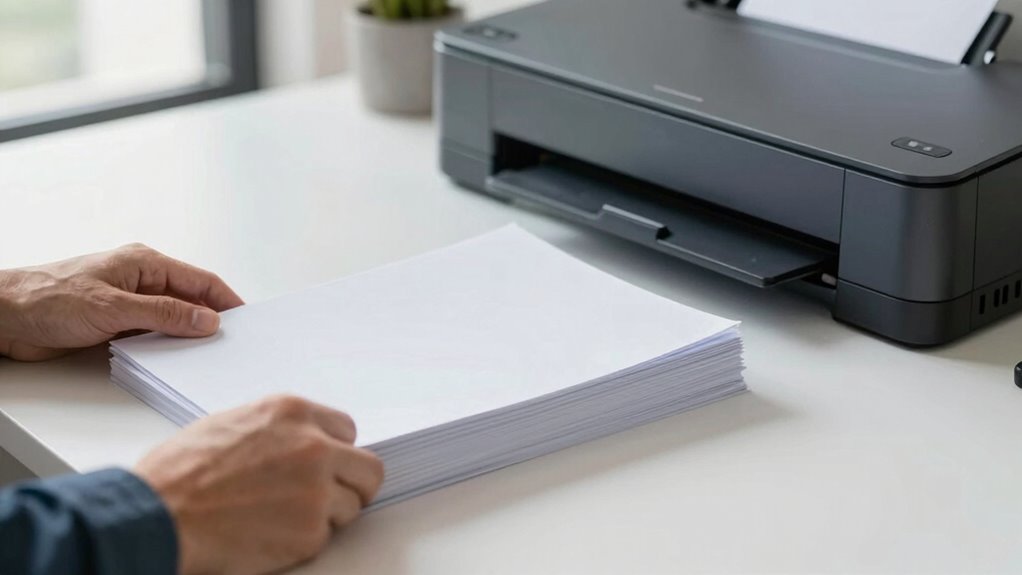
Are you worried about identity theft and how to protect your personal information? One of the simplest yet most effective ways to reduce your risk is by managing paper handling carefully. Paper documents can be a goldmine for identity thieves if not handled properly. To start, always shred sensitive documents instead of tossing them in the trash. Shredding prevents anyone from piecing together your personal information from discarded papers. Make it a habit to shred bank statements, medical records, and any mail containing your personal data.
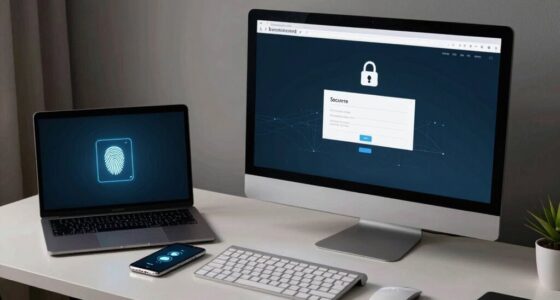
Beyond shredding, practicing good digital security is equally important, especially because many organizations now handle sensitive data digitally. When it comes to digital security, guarantee your computer and mobile devices are protected with strong, unique passwords. Use multi-factor authentication whenever available. Keep your software and security systems updated to patch vulnerabilities that could be exploited by cybercriminals. Being vigilant about digital security reduces the chances of hackers gaining access to your information online, which complements your paper handling efforts. Additionally, maintaining awareness of emerging threats can help you stay ahead of potential scams.
Employee training is another vital aspect, especially in workplaces where sensitive data is regularly processed or stored. If you’re managing a team, make sure everyone understands the importance of proper paper handling and digital security protocols. Well-trained employees know how to identify potential risks, such as phishing emails or suspicious document requests, and how to handle documents securely. Regular training sessions remind everyone of best practices, like locking filing cabinets and avoiding leaving papers unattended. When employees understand the importance of protecting information, the overall security of your organization improves considerably. Incorporating training on data security can significantly enhance your team’s awareness and response to potential threats.
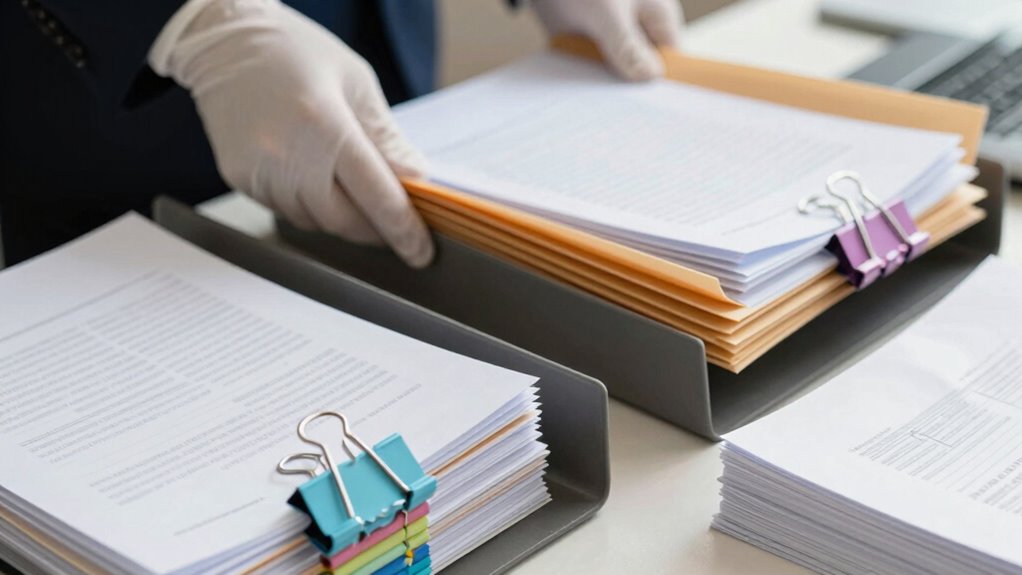
In your everyday routine, be mindful of where and how you store personal documents. Keep them in secure locations, such as locked drawers or safes, and limit access to only those who need it. When handling mail, promptly open and dispose of it, and be cautious about sharing personal details over the phone or email unless you are certain of the recipient’s legitimacy. Also, consider digital documentation whenever possible, reducing the volume of paper you handle. Additionally, biodiversity and sustainable living practices can contribute to a safer environment, including reducing paper waste and promoting eco-friendly habits. Limiting paper use not only helps the environment but also reduces the risk of sensitive documents being misplaced or stolen. Incorporating digital documentation can further minimize physical paper handling, enhancing security and efficiency. Staying informed about cybersecurity best practices can help you adapt to new threats and protect your information more effectively. Implementing these secure document handling practices is crucial for maintaining your privacy in both physical and digital spaces.
document shredder for sensitive papers
As an affiliate, we earn on qualifying purchases.
As an affiliate, we earn on qualifying purchases.
Frequently Asked Questions
What Are Common Paper Handling Mistakes That Increase Identity Theft Risk?
You increase identity theft risk when you mishandle paper, especially through poor paper storage and improper document disposal. Leaving sensitive documents in accessible places or not shredding them properly can expose your personal info. Always store papers securely and dispose of documents containing sensitive data by shredding instead of tossing them in the trash. These habits help protect your identity and reduce the chances of theft.
How Often Should Paper Documents Be Securely Shredded?
You should securely shred paper documents regularly, ideally every few months or when they’re no longer needed, to minimize identity theft risk. Establish a consistent shredding frequency based on your document disposal habits, especially for sensitive information like financial statements and personal records. This routine helps prevent paper clutter and guarantees that sensitive data doesn’t fall into the wrong hands, keeping your personal information safe.
Are There Specific Paper Handling Protocols for Sensitive Information?
When handling confidential documents, you should follow strict protocols to protect sensitive info. Imagine each confidential document as a treasure chest—you wouldn’t leave it unguarded. Always use secure storage, like locked cabinets or safes, and handle papers with clean hands to prevent accidental exposure. When transferring or disposing of sensitive papers, make sure they’re securely shredded or stored, minimizing the risk of identity theft and maintaining confidentiality at all times.
What Training Is Recommended for Staff on Paper Security?
You should provide thorough security training to your staff, emphasizing employee awareness about paper security. Train them on proper handling, storage, and disposal of sensitive documents, ensuring they understand the risks of mishandling. Regularly reinforce these practices through ongoing education and updates. By fostering a culture of security awareness, you reduce identity risks and protect confidential information effectively. This proactive approach keeps everyone vigilant and well-informed about paper security protocols.
How Can Digital Solutions Complement Paper Handling Security?
Digital integration can considerably enhance your paper handling security by streamlining sensitive information management. You can implement security automation to monitor and control access, ensuring only authorized personnel handle confidential documents. Digital tools also enable secure storage and quick retrieval, reducing physical handling risks. By combining these solutions, you create a layered security approach that minimizes human error and strengthens your overall identity protection efforts.
digital safe for important documents
As an affiliate, we earn on qualifying purchases.
As an affiliate, we earn on qualifying purchases.
Conclusion
By handling your papers carefully, you can reduce identity risk like a vigilant guard protecting a treasure. Keep sensitive documents secure, shred unnecessary papers, and stay organized to prevent accidental exposure. Remember, a small oversight is like leaving a door open for identity thieves. Stay proactive and diligent—your personal information is worth the effort. With these simple steps, you’ll keep your identity safer than ever, giving you peace of mind in a world full of digital and physical threats.
locked filing cabinet for office
As an affiliate, we earn on qualifying purchases.
As an affiliate, we earn on qualifying purchases.
As an affiliate, we earn on qualifying purchases.
Fall Picks
fall essentials
As an affiliate, we earn on qualifying purchases.