
Turning on remote access features on storage systems without proper security measures can expose your data to serious threats. These seemingly simple decisions create entry points for cybercriminals who scan for poorly secured systems. Without strong encryption, strict access controls, and regular security reviews, your information remains vulnerable during transmission and access. If you want to understand how to protect your data and avoid hidden risks, keep looking into how proper security setup can save you from costly breaches.

Prime made for students and young adults
- Fast, free delivery for dorm and study essentials
- Prime Video and Amazon Music included
- Member-only deals
Key Takeaways
- Enabling remote access without proper security measures creates easy entry points for cybercriminals.
- “Just turn it on” often overlooks necessary encryption and access controls, increasing vulnerability.
- Unsecured remote features can expose sensitive data during transmission to interception.
- Regular reviews and updates are essential to prevent unauthorized access from remote connections.
- Proper configuration and management are critical to mitigate risks hidden behind remote access features.
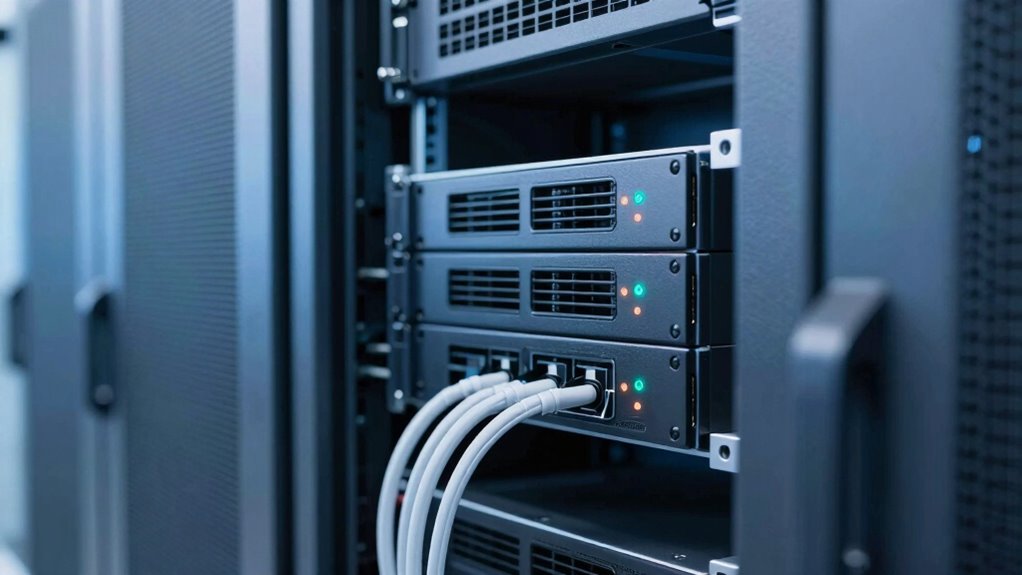
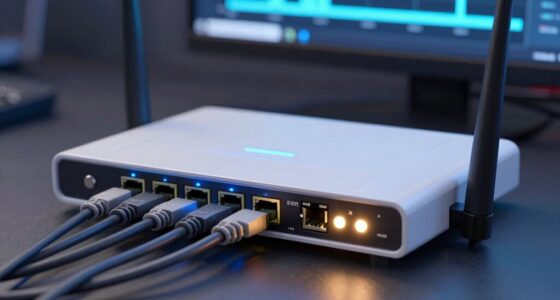
Have you ever contemplated how remote access features in storage systems can expose your data to security threats? Many devices and services now come with the tempting “just turn it on” approach, making setup quick and effortless. But this convenience often masks underlying vulnerabilities. When you enable remote access, you’re opening a door to potential breaches, especially if proper safeguards aren’t in place. Cybercriminals are constantly scanning for poorly secured systems, and a seemingly harmless feature can become an entry point for unauthorized access.
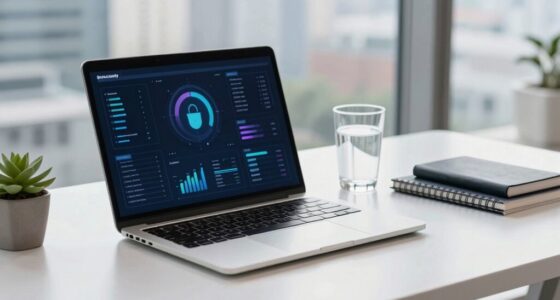
One of the most critical defenses in managing remote access risks is data encryption. When your data is encrypted, even if someone intercepts it, they won’t be able to decipher its contents without the decryption key. However, enabling remote access without proper encryption leaves your information vulnerable. It’s not enough to simply turn on remote features; you need to ensure that data transmitted over the network is protected through strong encryption protocols. Otherwise, sensitive information—personal details, passwords, or business data—can be intercepted and misused.
Access control is another essential element to consider. When you activate remote features, you must restrict who can access your storage system and what they can do. Proper access control means setting up strong, unique passwords, enabling multi-factor authentication, and limiting remote access privileges to only those who truly need it. Failing to implement these controls effectively can give cybercriminals or even malicious insiders an open window into your data. It’s tempting to keep remote access activated for convenience, but without strict controls, you risk exposing your storage system to unauthorized users.
Many users overlook the importance of regularly reviewing access permissions and updating security settings. As threats evolve, so should your defenses. Turning on remote access without planning for ongoing security measures is a recipe for disaster. You need to view remote access as a feature that requires careful configuration—think of it as locking a door and setting up surveillance, not just flipping a switch. By combining robust data encryption with tight access control, you considerably reduce the chances of a breach.
In short, the ease of enabling remote access can lull you into a false sense of security. But the real security comes from understanding the risks, implementing strong encryption, and controlling who can reach your data. Don’t let the “just turn it on” mentality put your information at unnecessary risk. Instead, approach remote access as a feature that demands careful setup and ongoing management. Your data’s safety depends on it.
Additionally, regular security reviews are essential to stay ahead of emerging threats and ensure your safeguards remain effective. A comprehensive security strategy involves not only initial setup but also continuous monitoring and adaptation to new vulnerabilities. Being proactive about security practices can help you identify and address potential weaknesses before they are exploited. Staying informed about cybersecurity threats is vital to maintaining a resilient defense. It’s also important to understand that encryption protocols can vary, and selecting the right ones is crucial for optimal protection.
network storage encryption device
As an affiliate, we earn on qualifying purchases.
As an affiliate, we earn on qualifying purchases.
Frequently Asked Questions
How Can Users Identify if Their Storage Device Has Remote Access Features?
You can identify if your storage device has remote access features by checking its settings or user manual for options related to device encryption and remote connectivity. Look for firmware updates from the manufacturer, as they often include security enhancements that disable or regulate remote access. Additionally, explore the device’s admin interface or app to see if remote access or management features are enabled or can be turned on.
What Are the Common Signs of a Compromised Storage Device?
Spot signs of a compromised storage device with suspicious activity. Look for unusual access logs that reveal irregular access times or unfamiliar IP addresses. Check if encryption protocols suddenly weaken or disappear. Unexpected device behavior, sluggish performance, or unfamiliar files may also signal a security breach. You must monitor access logs diligently and guarantee encryption stays robust to safeguard data. Vigilance prevents vulnerabilities from turning into vulnerabilities.
Are There Specific Industries More Vulnerable to Remote Access Risks?
Certain industries, like healthcare and finance, are more vulnerable to remote access risks due to industry-specific vulnerabilities and sector-based risks. You should be especially cautious if you’re managing sensitive data, as these sectors often handle confidential information that attracts cyber threats. These industries typically have complex systems and regulatory requirements, making them prime targets. Implementing strong security measures helps mitigate these sector-specific risks and protects against unauthorized remote access.
How Often Should Remote Access Permissions Be Reviewed and Updated?
Think of your remote access permissions as a garden that needs regular tending. You should review access control and conduct permission audits at least quarterly, or more often if there’s a significant change in your team or systems. This routine pruning keeps vulnerabilities at bay, ensuring only trusted hands have access. Staying vigilant helps prevent unauthorized entry, safeguarding your data’s integrity and peace of mind.
What Are the Best Practices for Securing Remote Storage Access?
To guarantee remote storage access, you should implement strong encryption protocols to protect data during transmission and at rest. Regular access audits help you identify and address unauthorized or unnecessary permissions. Always enforce multi-factor authentication and ensure you update access controls based on role changes. By combining encryption and audits, you reduce vulnerabilities, making your remote storage safer from potential breaches.
As an affiliate, we earn on qualifying purchases.
Conclusion
Now, imagine a world where those simple “just turn it on” storage features could unexpectedly expose your most sensitive data. The ease of remote access might seem like a blessing, but beneath that surface lies a lurking risk you can’t ignore. As technology advances, so do the threats. Will you take the necessary steps to safeguard your information, or leave yourself vulnerable to unseen dangers lurking just a click away? The choice—and the risk—are in your hands.
multi-factor authentication for NAS
As an affiliate, we earn on qualifying purchases.
As an affiliate, we earn on qualifying purchases.
data encryption for storage systems
As an affiliate, we earn on qualifying purchases.
As an affiliate, we earn on qualifying purchases.
Halloween Picks
halloween
As an affiliate, we earn on qualifying purchases.