TL;DR

Prime made for students and young adults
- Fast, free delivery for dorm and study essentials
- Prime Video and Amazon Music included
- Member-only deals
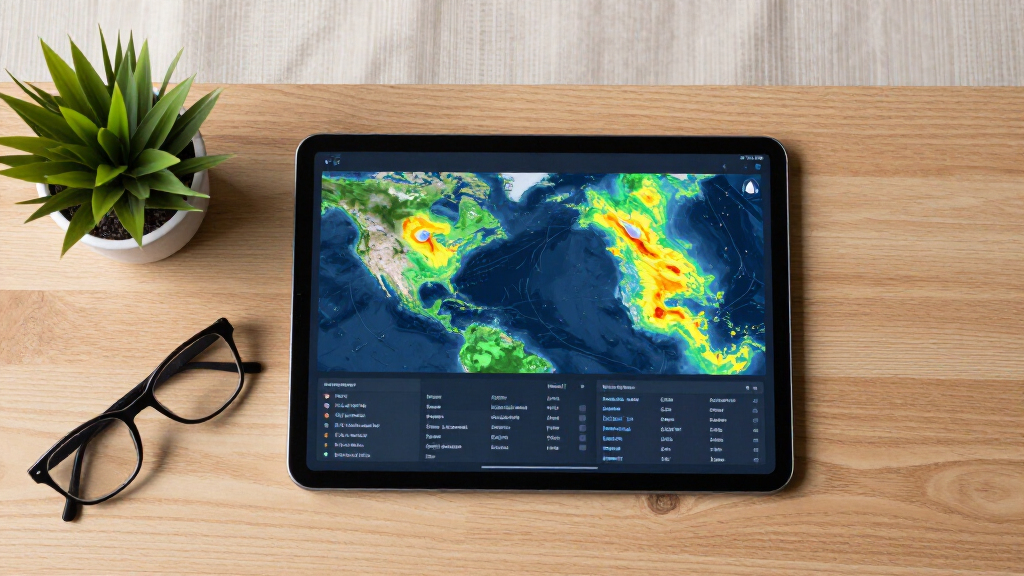
Meteorologists forecast an El Niño event for 2026, which may cause significant weather disruptions globally. The development is based on climate models, but official confirmation is pending.
Scientists are forecasting a likely El Niño event in 2026, which could have widespread effects on global weather patterns. The prediction is based on climate models and current oceanic and atmospheric indicators, but official confirmation from meteorological agencies is still pending. This development matters because El Niño events are associated with increased weather extremes, affecting agriculture, water resources, and disaster preparedness worldwide.
Leading climate scientists from the National Oceanic and Atmospheric Administration (NOAA) and the World Meteorological Organization (WMO) have indicated that conditions suggest a high probability of an El Niño developing in 2026. These predictions are based on ocean temperature anomalies in the equatorial Pacific and atmospheric patterns that typically precede El Niño events. While no formal declaration has been made yet, models show a significant warming trend in the central and eastern Pacific, which is characteristic of El Niño.
Experts warn that if confirmed, the 2026 El Niño could lead to increased likelihood of droughts in some regions, heavy rainfall and flooding in others, and amplified hurricane activity in the Atlantic. The timing of the event is expected to align with the late 2025 to early 2026 period, consistent with historical El Niño cycles. Governments and agencies are already preparing for possible impacts, emphasizing the importance of early warning systems and climate resilience measures.
Implications of El Niño 2026 on Global Climate and Society
The potential occurrence of El Niño in 2026 is significant because these events are linked to extreme weather phenomena worldwide. Past El Niño episodes have caused severe droughts in Australia and Southeast Asia, heavy flooding in South America, and increased hurricane activity in the Atlantic. The event could disrupt agriculture, threaten water supplies, and strain disaster response systems across multiple continents. Understanding and preparing for its impacts is crucial for governments, industries, and communities to mitigate risks and adapt accordingly.
As an affiliate, we earn on qualifying purchases.
Historical Patterns and Current Indicators of El Niño Development
El Niño is a climate phenomenon characterized by the warming of sea surface temperatures in the central and eastern Pacific Ocean. It occurs irregularly every two to seven years and can last from nine to twelve months. The last significant El Niño occurred in 2018-2019, which was followed by La Niña conditions. Current climate models and oceanic measurements indicate a warming trend consistent with the early stages of El Niño development. Scientists have been monitoring sea surface temperatures, trade winds, and atmospheric pressure patterns, which are key indicators for predicting the onset of El Niño.
While the precise timing and strength of the 2026 event remain uncertain, historical data suggest that similar conditions in the Pacific Ocean increase the likelihood of an El Niño forming within the next year. The forecast aligns with seasonal climate predictions issued by NOAA and other meteorological agencies, which are now emphasizing the potential for a significant El Niño in 2026.
“Current oceanic and atmospheric conditions suggest a high probability of El Niño developing in 2026, but we await official confirmation as the season progresses.”
— Dr. Maria Lopez, NOAA Climate Scientist
As an affiliate, we earn on qualifying purchases.
Unconfirmed Aspects of the 2026 El Niño Forecast
While climate models strongly suggest a likely El Niño in 2026, there is still no official confirmation from NOAA or WMO. The exact timing, intensity, and duration of the event remain uncertain, as oceanic and atmospheric conditions can change rapidly. Some experts caution that climate variability could alter the forecast, and ongoing monitoring is essential to refine predictions.
As an affiliate, we earn on qualifying purchases.
Monitoring and Confirming the El Niño Development
Meteorological agencies will continue to track ocean temperatures, wind patterns, and atmospheric pressure in the Pacific region over the coming months. An official El Niño declaration is expected if the conditions persist and meet the criteria established by NOAA and WMO. Additionally, governments and industries are advised to review contingency plans for weather-related disruptions, especially in vulnerable sectors like agriculture and disaster management.
As an affiliate, we earn on qualifying purchases.
Key Questions
What is El Niño and why does it matter?
El Niño is a climate phenomenon involving warming of the Pacific Ocean surface waters, which influences global weather patterns, often leading to extreme weather events like droughts, heavy rains, and hurricanes.
When is the El Niño in 2026 expected to occur?
Predictions suggest it could develop late 2025 or early 2026, but official confirmation is still pending as conditions evolve.
How could El Niño affect my region?
The impacts vary by location, but regions prone to droughts or floods may experience more severe conditions. Monitoring updates from local weather agencies is recommended.
What should governments do to prepare?
Authorities are advised to review disaster response plans, strengthen early warning systems, and promote climate resilience measures to mitigate potential impacts.
Is this forecast certain?
No, the forecast is based on current climate models and indicators, but the exact development of El Niño in 2026 remains uncertain until confirmed by official agencies.
Source: google-trends
Fall Picks
fall essentials
As an affiliate, we earn on qualifying purchases.