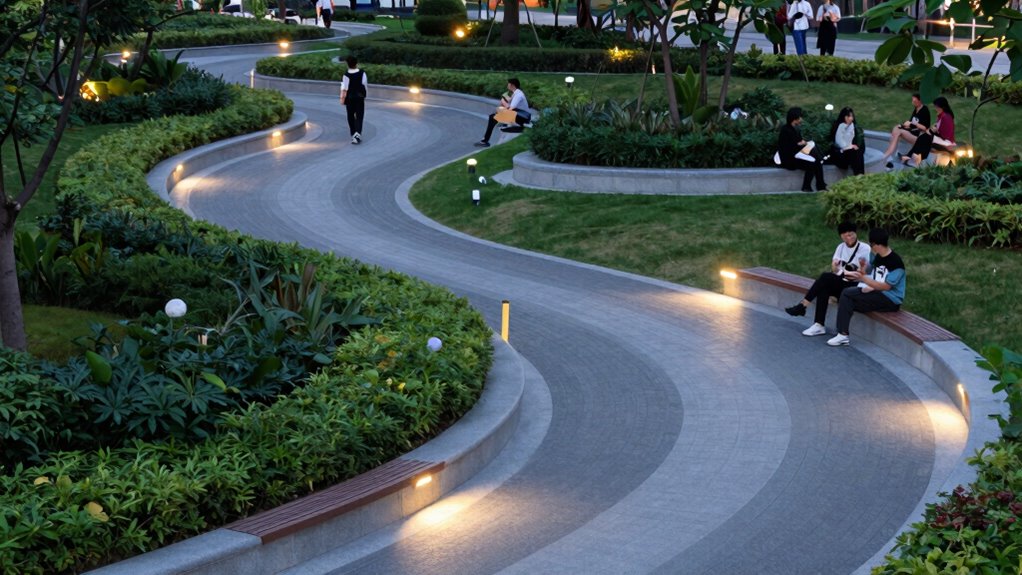

Environment design acts as an invisible lever that subtly influences your behavior by shaping thoughts, feelings, and actions through strategic cues and space layout. It leverages psychological principles to guide choices without force, using signals, lighting, and arrangement to prompt positive habits or improve productivity. By understanding how spaces affect your subconscious responses, you can create environments that subtly nudge behaviors. Keep exploring to discover how designing spaces can transform attitudes and routines effortlessly.
Key Takeaways
- Environment design influences behavior by embedding subtle cues that guide thoughts and actions unconsciously.
- Strategic spatial arrangements and visual signals shape user interactions and decision-making effortlessly.
- Environmental cues activate automatic responses, reinforcing positive habits without direct intervention.
- Design principles like natural lighting and object placement serve as behavioral nudges aligned with goals.
- Using data-driven approaches, environment design can effectively modify behaviors while remaining discreet.
Why Environment Design Matters for Human Behavior
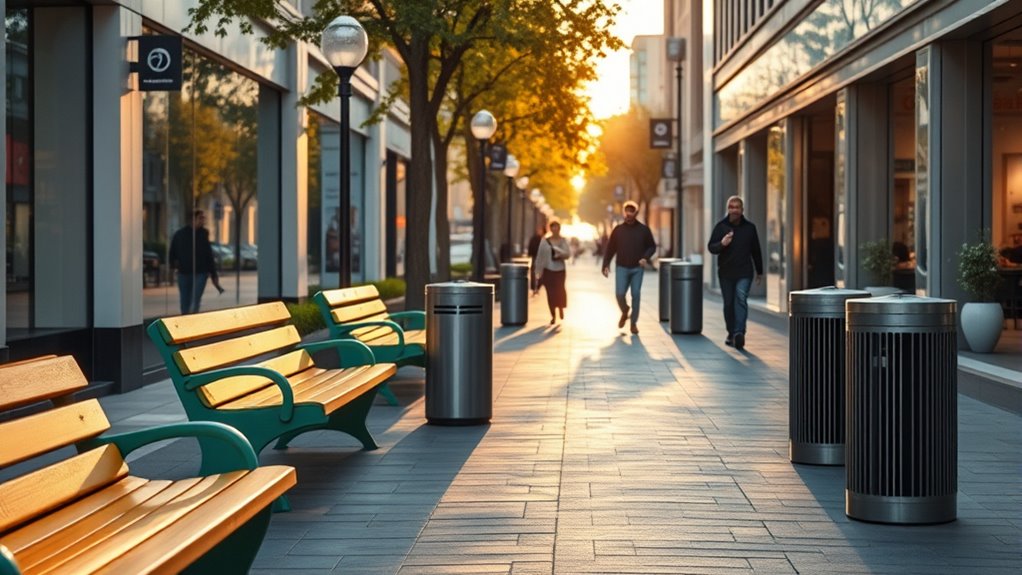
Environment design directly influences how people think, feel, and act. By strategically incorporating behavioral nudges, you can subtly guide decisions without restrictions or mandates. Environmental cues serve as signals that shape behavior, often without conscious awareness. For example, placing healthy snacks at eye level encourages better eating habits, while clear signage can prompt safer actions. When you design spaces intentionally, you create an environment that naturally steers individuals toward desired outcomes. This approach leverages the brain’s responses to cues, making positive behaviors more likely to occur effortlessly. Additionally, understanding concepts like auditory processing can inform the way environments are structured to support communication and learning. Recognizing the importance of sensory cues in environment design can further enhance the effectiveness of behavioral nudges. Moreover, integrating knowledge of environmental psychology can help optimize spaces for specific behavioral goals. For instance, the use of visual cues can significantly impact how people navigate and interact within a space. Ultimately, environment design acts as an invisible lever, influencing behavior in ways that are both powerful and discreet, shaping everyday actions without forcing or overt control. Considering contextual factors can also improve how environments influence behavior in complex situations.
The Psychology Behind How Spaces Influence Our Actions
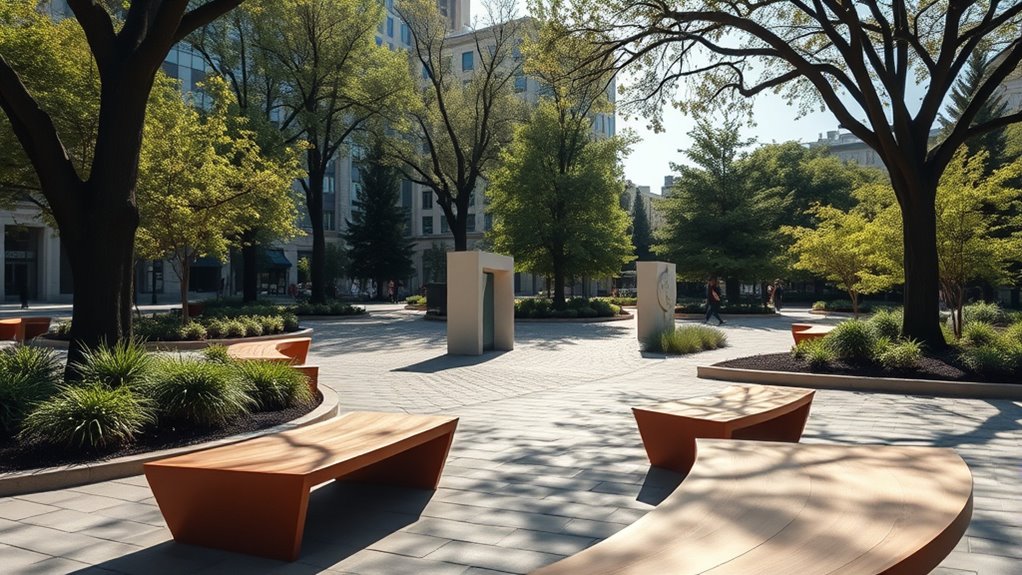
Spaces shape our actions because our brains respond automatically to environmental cues. For example, the layout of a room or the placement of objects creates behavioral cues that guide us toward certain actions—like sitting in a comfortable chair or avoiding clutter. These cues trigger mental associations and responses rooted in our subconscious mind, shaping how we behave in different settings. Your environment can encourage or discourage interactions, productivity, or relaxation simply through these psychological triggers. Understanding these mechanisms helps explain why well-designed spaces can subtly influence your choices and actions. For instance, the use of contrast ratios in visual displays can impact how clearly you perceive information and respond to it. Additionally, the presence of environmental cues can activate specific behaviors, demonstrating the importance of intentional space design. Recognizing the role of ambient lighting can further enhance the psychological impact of a space, influencing mood and alertness. Moreover, incorporating natural elements can promote biophilic responses, which positively affect well-being and behavior. By recognizing the power of environmental cues, you become more mindful of how your surroundings impact your behavior every day, especially considering how precious metal investment options are often presented in professional settings to influence investor decisions.
Core Principles for Designing Environments That Drive Behavior
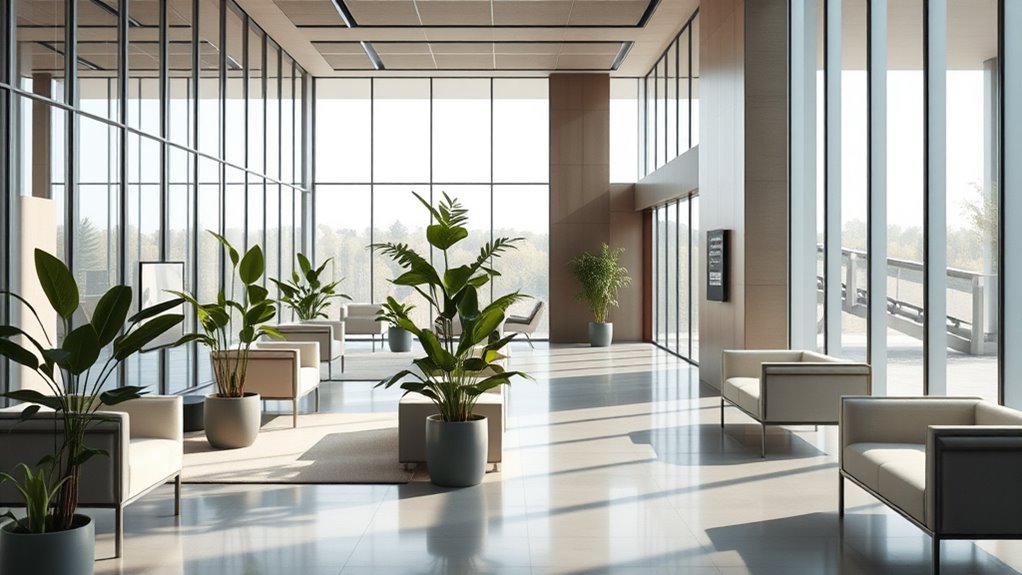
Designing environments that effectively influence behavior requires understanding and applying key principles rooted in psychology and human interaction. To do this, focus on creating behavioral nudges and environmental cues that subtly guide choices. These cues act as signals, prompting specific actions without force. When done well, they tap into natural tendencies, making desired behaviors easier and more appealing. Use the table below to evoke emotion and clarify the core principles:
| Principle | Impact |
|---|---|
| Clear environmental cues | Reduce confusion, increase engagement |
| Subtle behavioral nudges | Influence choices without resistance |
| Consistency in design | Reinforce habits and predictability |
| Context-appropriate signals | Align environment with intended behavior |
| Environmental psychology | Enhances understanding of how context influences behavior |
Additionally, understanding the cultural significance of environmental cues can help tailor designs to diverse audiences, increasing effectiveness. Recognizing how behavioral science informs environmental design enables creators to craft spaces that resonate more deeply with users’ innate tendencies. Incorporating powerful cues can further enhance the impact of environmental design on behavior.
Real-World Examples of Environment Design in Action
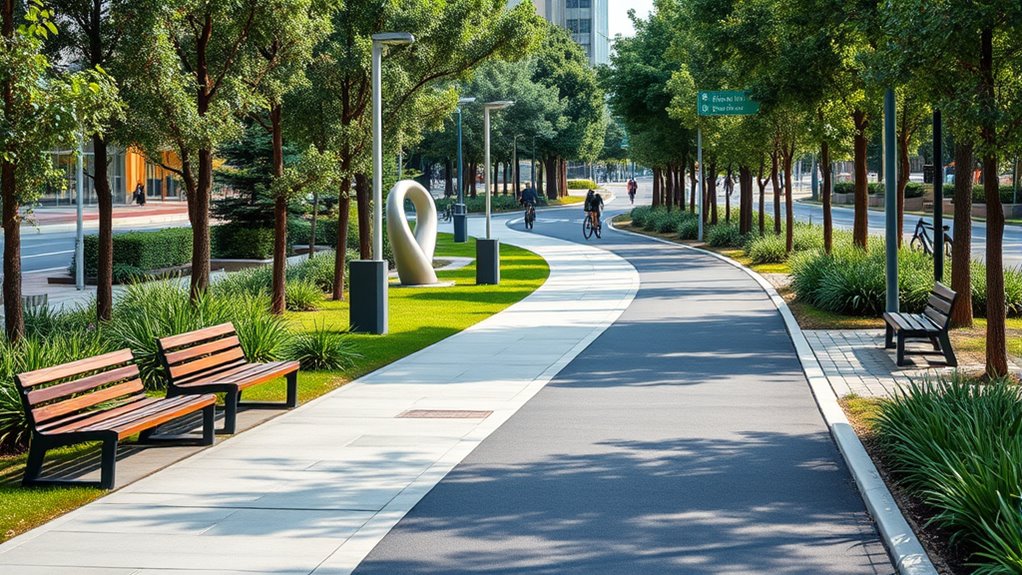
You can see environment design in action in everyday settings like office layouts, where desk arrangements promote collaboration or focus. Public transportation systems use station placements and signage to guide passenger flow efficiently. Grocery store setups strategically place products to influence purchasing habits and make shopping more intuitive. Additionally, thoughtfully crafted eco-friendly handmade treasures can subtly influence consumer choices by highlighting sustainability and craftsmanship, reinforcing eco-conscious behaviors in daily life. These carefully planned environments demonstrate how behavioral cues can be effectively integrated into design to shape habits and decisions, much like how UST projector rankings help optimize home theater setups by considering factors like throw, brightness, and color accuracy. Moreover, the design of fuel injection cleaning services in mechanic shops can influence customer trust and service choices by emphasizing professionalism and expertise. Recognizing the role of environmental cues in shaping behavior allows designers to create spaces that naturally guide individuals toward desired actions.
Office Space Layouts
Office space layouts have a significant impact on productivity, collaboration, and employee well-being. When designing your workspace, prioritize workspace ergonomics to reduce fatigue and prevent injury, ensuring each workstation supports comfort and efficiency. Incorporate lighting optimization by maximizing natural light and reducing glare, which boosts mood and focus. Open-plan layouts encourage spontaneous interaction, fostering teamwork, while dedicated quiet zones help with concentration when needed. Adjustable desks and ergonomic chairs allow employees to personalize their environment, enhancing comfort. Strategic placement of communal areas promotes social engagement without disrupting work zones. By thoughtfully arranging your office layout with these principles, you create an environment that promotes health, encourages collaboration, and enhances overall performance. Small design choices can lead to significant behavioral and productivity improvements. Additionally, understanding the best office layouts can help in creating a more effective and comfortable environment for everyone. An awareness of environmental psychology can inform these design decisions to better influence employee behavior and satisfaction. Being familiar with ergonomic principles ensures that workspace design minimizes physical strain and enhances comfort for all users. Incorporating behavioral cues through design elements subtly guides employees toward positive work habits. Considering sustainable practices in office design can also contribute to a healthier environment and boost employee morale.
Public Transportation Design
Effective public transportation systems demonstrate how thoughtful environment design can transform daily commutes into more efficient and comfortable experiences. By prioritizing station aesthetics, transit authorities create welcoming spaces that reduce stress and confusion. Clear signage, intuitive layouts, and well-lit platforms help you navigate quickly, minimizing delays. Incorporating natural light, modern materials, and clean surroundings encourages a sense of safety and calm. Additionally, designing stations with accessibility in mind ensures everyone can use public transit comfortably. When stations are visually appealing and functional, you’re more likely to choose public transit over less sustainable options. This environment design not only improves your experience but also promotes ridership, making public transit a more attractive, reliable choice for daily travel.
Grocery Store Arrangements
Grocery store arrangements play a crucial role in shaping your shopping experience by guiding movement and highlighting key products. Aisle organization is carefully designed to lead you through specific pathways, making it easier to find essentials and encouraging impulse buys. Items are grouped logically—snacks near checkout lanes or fresh produce at the front—to optimize your journey. Checkout placement is also strategic; placing it near high-traffic areas ensures maximum exposure to last-minute purchases. These subtle cues influence your choices without you realizing it, as the environment subtly nudges you toward certain products. By controlling aisle layouts and checkout locations, stores shape your behavior, increasing sales and creating a seamless, efficient shopping experience.
How Environment Design Can Promote Healthy Habits and Boost Productivity
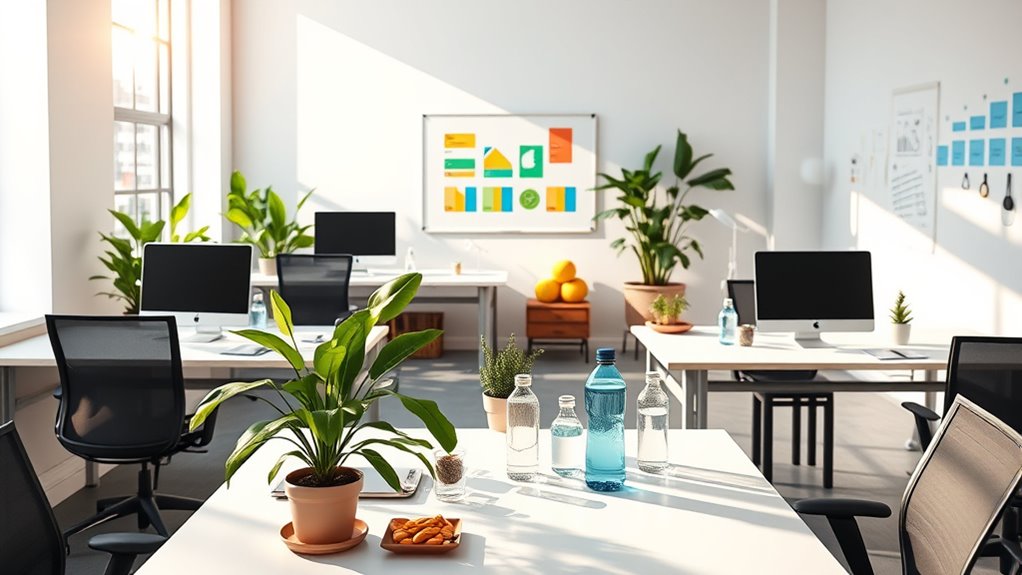
By optimizing your physical space, you make it easier to stick to healthy habits and stay productive. Using visual cues can remind you of your goals and keep you focused, while minimizing distractions helps you work more efficiently. Small changes in your environment can have a big impact on your daily habits and performance.
Optimize Physical Spaces
Designing physical spaces thoughtfully can considerably influence your habits and productivity. Incorporate innovative fixtures that promote comfort and efficiency, such as adjustable desks or ergonomic chairs, to support your well-being. Sensory enhancements, like natural lighting, calming colors, or subtle sounds, can create an environment that energizes or relaxes you as needed. By optimizing your space, you remove distractions and make healthy choices easier—like having water accessible or designated areas for movement. Clear organization and thoughtful layout encourage focus and reduce stress. Small adjustments, such as adding plants or improving airflow, can dramatically boost your mood and motivation. When your environment aligns with your goals, it becomes a powerful tool for fostering positive behaviors and maximizing your overall productivity.
Use Visual Cues
Visual cues are powerful tools that can subtly guide your behavior and reinforce healthy habits. Environmental signals act as visual cues, shaping your daily choices without demanding constant effort. To harness their potential, consider these three strategies:
- Place healthy snacks at eye level to encourage better eating habits.
- Use color-coded folders or labels to streamline tasks and boost productivity.
- Incorporate visual reminders, like sticky notes or posters, to reinforce positive routines.
These environmental signals work behind the scenes, influencing your actions without the need for conscious thought. By intentionally designing your space with clear visual cues, you create an environment that naturally promotes healthier habits and enhances your focus. Small visual adjustments can lead to significant behavioral shifts over time.
Minimize Distractions
Clear visual cues can guide your behavior, but distractions in your environment often pull your focus away from healthy habits and productivity. Visual clutter makes it harder to concentrate and can lead to sensory overload, overwhelming your senses and reducing efficiency. To minimize distractions, keep your workspace tidy and remove unnecessary items that add to visual clutter. Use simple, intentional design elements that help you stay focused on your priorities. Limiting notifications and digital interruptions also reduces sensory overload, allowing you to work more effectively. When your environment is free of excess stimuli, your attention remains on what matters most, making it easier to develop healthy habits and boost productivity. Creating a distraction-free space helps you stay engaged and in control of your actions.
Common Mistakes to Avoid When Shaping Environments for Change
When shaping environments for change, it’s easy to overlook common pitfalls that can undermine your efforts. Ignoring vital factors like overlooking user feedback can cause designs that don’t meet actual needs. Neglecting cultural differences may lead to environments that alienate or confuse users, reducing effectiveness. Additionally, focusing solely on physical layout without considering behavioral cues limits impact. To avoid these mistakes, remember:
- Always gather and incorporate user feedback to guarantee relevance.
- Respect cultural differences to create inclusive environments.
- Balance physical design with understanding behavioral patterns.
Tools and Strategies for Effective Environment Design
To design effective environments, leveraging the right tools and strategies is key. Techniques like behavioral nudges subtly guide choices, while environmental cues draw attention to desired behaviors. Use visual signals, such as signage or layout adjustments, to influence actions without force. Incorporate feedback mechanisms that reinforce positive behaviors. Here’s a quick guide:
| Tool/Strategy | Purpose |
|---|---|
| Behavioral nudges | Influence decisions subtly |
| Environmental cues | Highlight key behaviors or options |
| Visual signals | Direct attention efficiently |
| Feedback systems | Reinforce or correct actions |
| Environmental restructuring | Make desired behaviors easier or more natural |
Applying these tools helps shape environments that naturally promote change, making desired behaviors the default choice.
How to Measure the Impact of Environment Design on Behavior
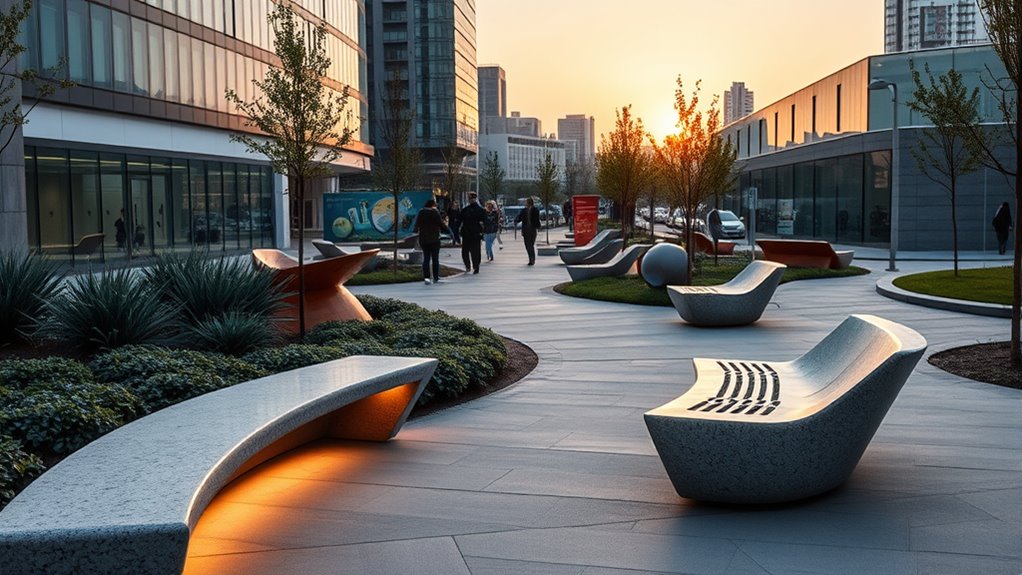
Measuring the impact of environment design on behavior requires a systematic approach to gather meaningful data. Start by identifying clear behavior metrics that reflect your goals, such as frequency, duration, or intensity of actions. Next, conduct a thorough design evaluation to compare conditions before and after changes, ensuring you isolate environmental effects. Finally, analyze the data to spot patterns, correlations, and deviations. Here are three key steps to guide you:
- Define specific, measurable behavior metrics aligned with your objectives
- Use consistent observation methods for accurate data collection
- Apply statistical analysis to interpret the influence of environment design on behavior
This structured approach helps you determine whether your design adjustments truly drive behavioral change.
Frequently Asked Questions
How Does Culture Influence Environment Design Effectiveness?
Culture shapes environment design effectiveness by influencing how you interpret and respond to cues based on cultural norms and social expectations. When designing spaces or systems, you need to regard these cultural factors to make the environment intuitive and motivating for users. By aligning design with cultural values, you encourage desired behaviors more naturally. Ignoring cultural context can lead to misunderstandings or resistance, reducing the impact of your environment design efforts.
Can Virtual Environments Shape Real-World Behaviors?
Yes, virtual environments can shape your real-world behaviors. As you navigate digital spaces, psychological cues and environmental cues subtly influence your actions, much like physical surroundings do. Bright colors, spatial layouts, or ambient sounds in virtual worlds can trigger emotional responses or habits that carry over into your daily life. This seamless blend of virtual and real cues creates a powerful ripple effect, guiding your choices beyond the screen with quiet, persistent influence.
What Role Does Technology Play in Modern Environment Design?
Technology plays a vital role in modern environment design through smart tech and design innovation. You can use smart tech to create responsive spaces that adapt to your needs, improving comfort and efficiency. Design innovation allows you to reimagine spaces creatively, making them more functional and sustainable. By integrating these tools, you shape environments that influence behavior positively, making everyday interactions more seamless, personalized, and impactful for you and your community.
How Do Individual Differences Affect Environment Design Success?
Your success in environment design depends on understanding individual differences like personal preferences and cognitive biases. You need to tailor the environment to match these preferences, ensuring it appeals to diverse users. By recognizing cognitive biases, you can predict how people will respond and adjust your design accordingly. This approach helps create spaces that motivate positive behavior, making your design more effective and user-centered.
What Ethical Considerations Should Guide Environmental Behavior Interventions?
Did you know that 85% of people prefer interventions that respect their consent? You should prioritize moral responsibility by ensuring interventions are transparent and respect individual autonomy. Always consider consent considerations, avoiding manipulative tactics. By doing so, you foster trust and ethical integrity, making your environment design more effective and respectful. You’re responsible for balancing behavior change with respect for personal rights, creating a positive impact without compromising ethical standards.
Conclusion
By understanding how environment design influences your behavior, you can shape spaces that motivate, inspire, and support your goals. You can create environments that promote healthy habits, boost productivity, and foster positive change. You can recognize common pitfalls and apply effective tools and strategies. Ultimately, you can harness the power of environment design to transform your surroundings and, in turn, transform yourself. Embrace this invisible lever, and watch your behavior shift for the better.