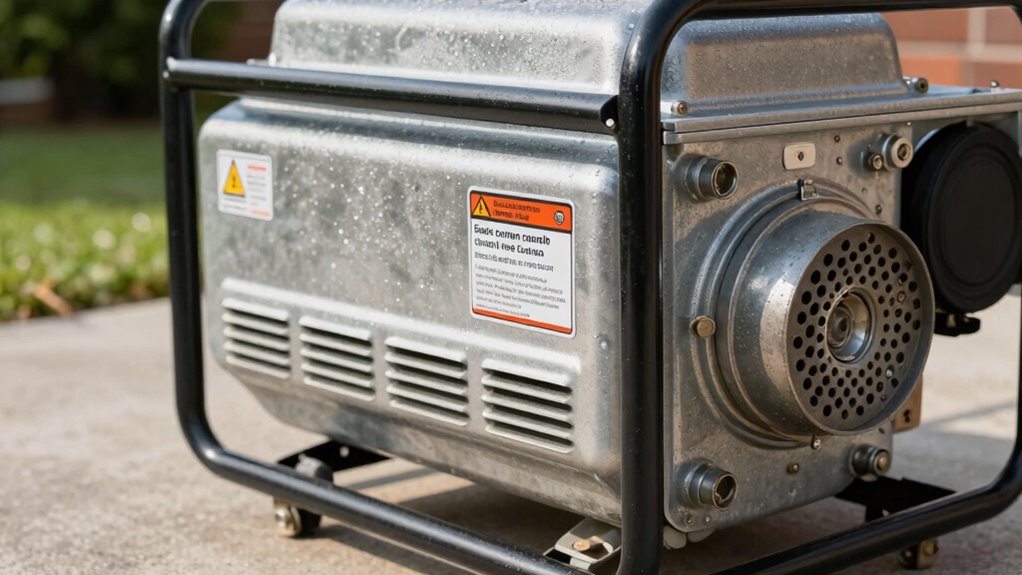

Never run a generator indoors or in enclosed spaces, as carbon monoxide (CO) is a deadly odorless gas that can cause death within minutes. Always position your generator outdoors, away from doors and windows, and keep CO detectors nearby to alert you to dangers. Proper safety is simple but essential—if you follow this vital rule, you’re protecting yourself and your loved ones. Keep going to learn more about safe generator operation and preventing CO risks.

Get school and study supplies delivered free — and shop member deals
- Fast, free delivery on millions of items
- Access to Prime Big Deal Days deals on October 6–7
- Prime Video, Amazon Music and more included
Key Takeaways
- Never operate a generator indoors, in garages, or enclosed spaces to prevent lethal CO buildup.
- Always position the generator outdoors, away from doors and windows to avoid exhaust fumes entering the home.
- Install CO detectors near sleeping areas and on every level of your home for early warning of dangerous levels.
- Turn off the generator before refueling to prevent sparks and fuel spills that can cause fires or explosions.
- Regularly maintain your generator and follow safety instructions to prevent CO leaks and ensure safe operation.
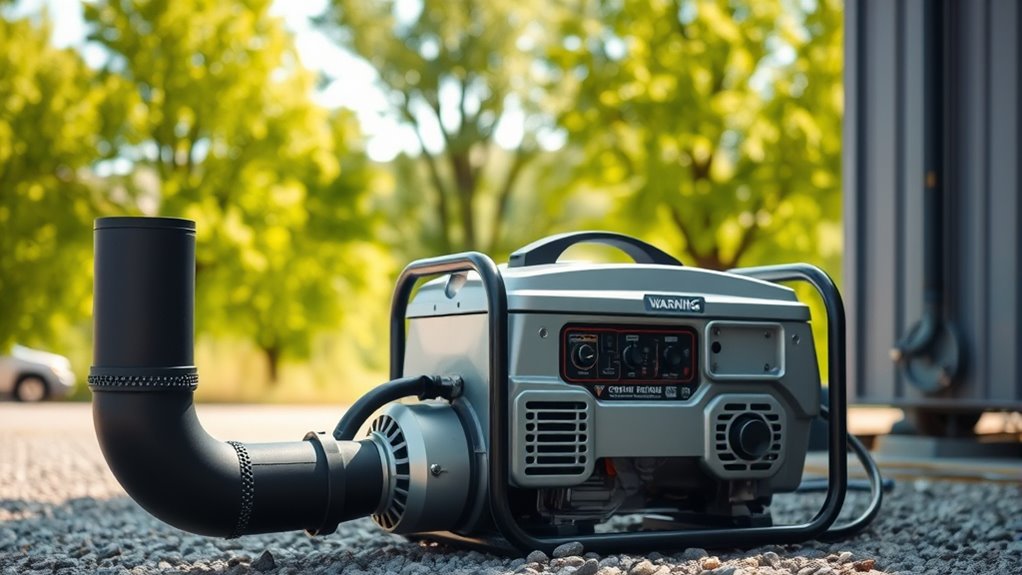
Generator Safety
Have you ever considered how dangerous a generator can be if not used properly? Many people overlook the risks, especially when it comes to fuel storage and emergency preparedness. Properly storing fuel is essential because even small mistakes can lead to fires or explosions. Always keep your fuel in approved containers, stored outside your home in well-ventilated areas away from living spaces. Never store fuel near heat sources, open flames, or electrical equipment. If you’re preparing for an emergency, plan ahead by stockpiling enough fuel safely, but avoid over-accumulating, which increases the risk of accidents. Regularly check your fuel containers for leaks or damage, and keep a fire extinguisher nearby. Understanding how to store fuel responsibly is a key part of emergency preparedness—being ready means having access to power without creating hazards. Proper fuel storage is crucial for minimizing risks and ensuring safety during power outages.
Using a generator safely involves more than just proper fuel storage. It’s equally important to understand the dangers of carbon monoxide (CO), a silent killer that’s often overlooked. CO is produced when a generator runs, especially in enclosed or poorly ventilated spaces. That’s why the single most critical rule is never operating a generator indoors, in garages, basements, or near open windows and vents. Even a small amount of CO can cause serious health issues or death within minutes. Always position your generator outdoors, in a well-ventilated area, and keep it away from doors and windows to prevent dangerous fumes from entering your home. Using a carbon monoxide detector is essential—install one near sleeping areas and on every level of your house. It provides an early warning if CO levels become unsafe, giving you precious time to evacuate or shut down the generator.
Emergency preparedness isn’t just about having the right equipment; it’s also about understanding how to use it properly. Know your generator’s operation manual inside out, and follow all safety instructions. Regular maintenance keeps your generator running smoothly and reduces the risk of malfunctions that could lead to CO leaks or fires. Keep fresh fuel away from the generator during operation, and shut it down before refueling to prevent spills or sparks. Practice safe startup and shutdown procedures, and ensure your generator is on a stable, dry surface to avoid tipping or electrical hazards. By planning ahead and staying vigilant about fuel storage, CO safety, and proper use, you can protect yourself and your loved ones during emergencies. Being prepared means respecting the power of your generator and never cutting corners on safety rules—especially the critical rule of never running it indoors.
carbon monoxide detector for home
As an affiliate, we earn on qualifying purchases.
As an affiliate, we earn on qualifying purchases.
Frequently Asked Questions
Can a Generator Cause Carbon Monoxide Poisoning Indoors?
Yes, a generator can cause carbon monoxide poisoning indoors if you don’t follow proper safety measures. You must carefully consider generator placement, always keeping it outside and away from open windows or vents. Adequate ventilation requirements are essential to prevent CO buildup. Never operate a generator indoors or in enclosed spaces. By adhering to these safety tips, you protect yourself and your loved ones from potentially deadly carbon monoxide exposure.
What Are the Signs of Carbon Monoxide Poisoning?
Imagine feeling dizzy, short of breath, and confused while your generator runs nearby. These are signs of carbon monoxide poisoning. You might also notice headaches, nausea, or chest pain. Proper generator placement away from windows and vents helps prevent this. Always maintain your CO detectors, replacing batteries regularly, to catch silent leaks early. If you experience these symptoms, get fresh air immediately and seek medical help.
How Often Should I Test My Carbon Monoxide Detectors?
You should test your carbon monoxide detectors at least once a month to guarantee they’re working properly. Regular detector maintenance is essential for safety protocols, so replace batteries annually and follow the manufacturer’s instructions. Don’t forget to check the detector’s expiration date and clean it if needed. Consistent testing helps you stay alert to potential dangers and keeps your home safe from carbon monoxide buildup.
Are There Specific Generator Models Safer Than Others?
Some generator models are safer than others because they include essential safety features like automatic shut-off and CO sensors. Look for models with built-in carbon monoxide detectors or advanced safety mechanisms that prevent dangerous emissions. You should also choose portable generators with safety certifications, such as UL listing, to guarantee they meet safety standards. Always read reviews and manufacturer details to find a model prioritizing safety and reliable performance.
What Should I Do if Someone Shows Symptoms of Poisoning?
What’s your move if someone shows symptoms of poisoning? You should immediately call emergency response and get medical help. While waiting, move the person to fresh air, away from the generator. Check for signs of carbon monoxide exposure like headache or dizziness. Regular generator maintenance can prevent these dangers. Don’t delay—quick action can save lives and reduce the risk of serious harm from carbon monoxide poisoning.
As an affiliate, we earn on qualifying purchases.
Conclusion
Remember, running your generator safely isn’t just a suggestion—it’s a lifesaver. Ironically, the very device designed to keep you safe during power outages can become deadly if misused. So, next time you fire it up, think about the hidden danger of carbon monoxide. Avoid the tragic irony of a safeguard turning into a hazard. Stay safe, stay aware, and never forget: safety rules aren’t optional—they’re your best defense against disaster.
generator fuel storage containers
As an affiliate, we earn on qualifying purchases.
As an affiliate, we earn on qualifying purchases.
As an affiliate, we earn on qualifying purchases.
Halloween Picks
halloween
As an affiliate, we earn on qualifying purchases.