
TL;DR

Prime made for students and young adults
- Fast, free delivery for dorm and study essentials
- Prime Video and Amazon Music included
- Member-only deals
A solar eclipse is set to occur in the coming days, with visibility across specific regions. Experts confirm the event will be visible in parts of Europe and Africa, prompting safety warnings and preparations. Uncertainties remain about the exact timing and viewing conditions in some areas.
A solar eclipse is expected to occur in the coming days, with visibility confirmed in parts of Europe and Africa. This celestial event draws significant public attention and scientific interest, as it offers a rare opportunity to observe the moon blocking the sun.
According to astronomers from the European Space Agency and NASA, the upcoming solar eclipse will be visible in regions including Spain, Portugal, parts of northern Africa, and some Mediterranean areas. The event is scheduled to reach its maximum phase around midday local time, with totality lasting up to two minutes in some locations.
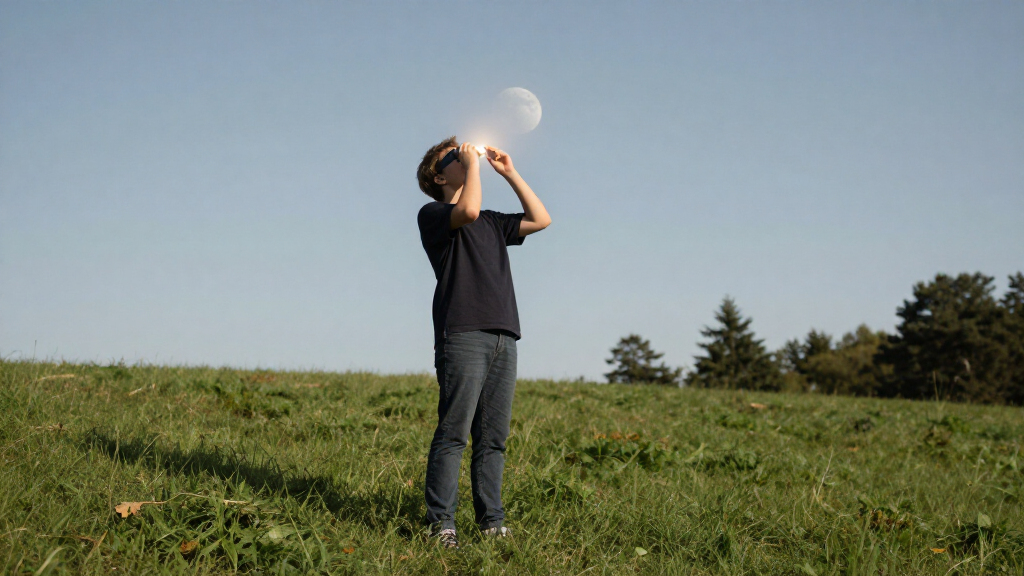
Authorities and scientific organizations have issued safety warnings, emphasizing the importance of using certified solar eclipse glasses to prevent eye damage. Several vendors, including Fielmann, have reported high demand for eclipse-specific eyewear, with some stock running low in certain regions.
While the precise timing and visibility vary depending on location, experts confirm that the eclipse will be observable in specific areas, weather permitting. The event is part of a broader series of solar eclipses expected over the next few years.
Implications for Public Safety and Scientific Observation
This solar eclipse provides an important opportunity for scientific research and public engagement with astronomy. It also underscores the need for proper safety measures, as eye injuries from looking directly at the sun remain a concern. For many communities, it is a rare celestial event that can inspire interest in science and space exploration.
Furthermore, the event’s visibility in populated regions means it could attract large crowds, necessitating coordinated safety and transportation planning. The eclipse also offers an educational moment for schools and science centers to promote awareness about astronomical phenomena.
As an affiliate, we earn on qualifying purchases.
Details on the Upcoming Solar Eclipse Schedule and Visibility
The next solar eclipse is part of the Saros cycle, occurring on a date widely predicted by astronomers. Previous eclipses of similar nature have occurred in 2017 and are expected again in 2027. The current event is classified as a partial eclipse in most regions, with totality limited to specific areas.
Historically, solar eclipses have been observed and studied for centuries, providing insights into solar and lunar dynamics. Recent advances in telescope technology and satellite observation have improved predictions and safety measures for such events.
Local weather conditions will significantly influence the visibility of the eclipse, with clear skies being ideal. Some regions have already experienced cloudy weather, which may obscure the event for observers there.
“This eclipse is a perfect opportunity for both scientists and the public to observe a fascinating celestial event. Remember to use proper eye protection to enjoy it safely.”
— Dr. Maria Schmidt, Astronomer, ESA
solar eclipse viewing safety glasses
As an affiliate, we earn on qualifying purchases.
As an affiliate, we earn on qualifying purchases.
Weather and Visibility Conditions Still Uncertain
While the schedule and regions for the eclipse are well predicted, weather conditions remain uncertain in many areas. Cloud cover or adverse weather could obscure the event, limiting visibility for some observers.
Additionally, the exact timing of maximum eclipse can vary slightly depending on location, and some remote areas may have limited access or resources to view the event safely.
As an affiliate, we earn on qualifying purchases.
Public Viewing and Safety Preparations in Progress
Authorities and science organizations are preparing public advisories and safety campaigns to ensure safe viewing. In the coming days, local media and educational institutions will disseminate information on timing, locations, and safety measures.
Experts recommend checking local weather forecasts and purchasing certified eclipse glasses early. Observatories and science centers may host viewing events, providing safe and guided experiences for the public.
Further updates will clarify the exact visibility conditions and provide real-time information as the event approaches.
As an affiliate, we earn on qualifying purchases.
Key Questions
When will the solar eclipse happen?
The eclipse is expected to occur within the next few days, with peak visibility around midday local time in the affected regions. Exact timing varies by location.
Where will I be able to see the eclipse?
Regions including parts of Spain, Portugal, northern Africa, and the Mediterranean are confirmed to have visibility. Local weather conditions will influence actual observation opportunities.
How can I observe the eclipse safely?
Use certified solar eclipse glasses and avoid looking directly at the sun without protection. Do not use regular sunglasses, as they do not provide adequate safety.
Will the eclipse be visible in my area?
Visibility depends on your location. Check local astronomical forecasts and weather reports for specific details closer to the event.
Why is this eclipse significant?
This eclipse offers opportunities for scientific observation and public engagement, but safety precautions are essential to prevent eye injuries.
Source: google-trends
Fall Picks
fall essentials
As an affiliate, we earn on qualifying purchases.