
TL;DR

Prime made for students and young adults
- Fast, free delivery for dorm and study essentials
- Prime Video and Amazon Music included
- Member-only deals
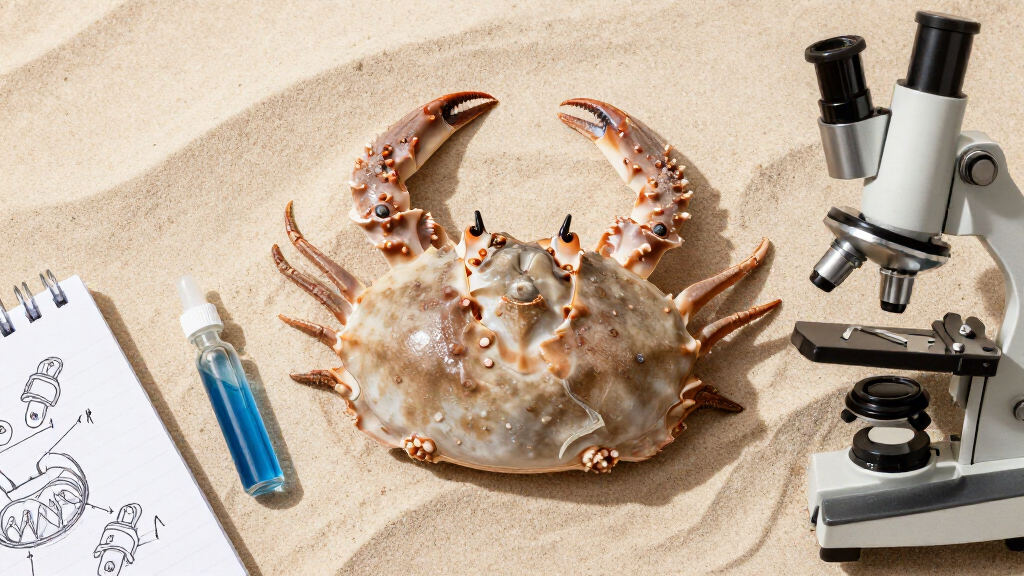
Researchers have confirmed that horseshoe crab blood contains a unique substance used to detect bacterial toxins in vaccines and medical devices. This discovery underscores the blood’s critical role in ensuring medical safety and raises questions about sustainable harvesting.
Scientists have confirmed that the blue blood of horseshoe crabs contains a substance essential for detecting bacterial endotoxins, a breakthrough that strengthens the blood’s role in ensuring the safety of vaccines and medical equipment.
The discovery, published in recent scientific studies, highlights that horseshoe crab blood contains a unique compound called Limulus Amebocyte Lysate (LAL). This substance reacts instantly with bacterial endotoxins, enabling rapid and reliable testing of medical products for contamination.
Horseshoe crab blood has been used for decades in the pharmaceutical industry to test for bacterial endotoxins, which can cause severe reactions if present in injectable drugs, vaccines, and surgical equipment. The process involves collecting blood from horseshoe crabs, which are then released back into the wild after bleeding, though concerns about sustainability persist.
Researchers involved in the recent study confirmed that the LAL component is the key to this life-saving function, emphasizing its importance in medical safety and the ongoing need to balance harvesting practices with conservation efforts.
Why Horseshoe Crab Blood Matters for Medical Safety
This discovery underscores the critical role of horseshoe crab blood in protecting millions of patients worldwide from bacterial infections. The use of LAL in endotoxin testing is a standard practice in the pharmaceutical industry, and the confirmation of its unique properties highlights the importance of preserving horseshoe crab populations.
With increasing demand for safe medical products, the reliance on horseshoe crab blood raises sustainability concerns. Scientists are exploring synthetic alternatives to reduce dependence on wild populations, which could have significant ecological and economic implications.
Limulus Amebocyte Lysate (LAL) endotoxin testing kit
As an affiliate, we earn on qualifying purchases.
As an affiliate, we earn on qualifying purchases.
Background on Horseshoe Crab Blood and Its Medical Use
Horseshoe crabs have been used for medical testing since the 1970s, when their blood was discovered to contain Limulus Amebocyte Lysate (LAL), capable of detecting bacterial endotoxins. This method became a gold standard for ensuring the safety of injectable medicines and surgical tools.
Harvesting involves collecting blood from live crabs, which are then returned to their habitat. However, studies have raised concerns about the impact on horseshoe crab populations, with some estimates suggesting millions are bled annually.
Recent efforts focus on developing synthetic alternatives, such as recombinant Factor C (rFC), which could replace the need for blood harvesting, but widespread adoption remains ongoing.
bacterial endotoxin detection test for vaccines
As an affiliate, we earn on qualifying purchases.
As an affiliate, we earn on qualifying purchases.
Unresolved Questions About Sustainable Use and Alternatives
While the role of horseshoe crab blood in detecting bacterial endotoxins is confirmed, it remains unclear how quickly synthetic alternatives like recombinant Factor C will replace LAL in commercial applications. The ecological impact of large-scale blood harvesting continues to be debated, and regulations vary across regions.
Further research is needed to assess the long-term sustainability of current practices and the effectiveness of synthetic substitutes in diverse medical settings.
As an affiliate, we earn on qualifying purchases.
Next Steps in Research and Industry Adoption
Researchers are expected to continue developing and testing synthetic alternatives to LAL, aiming for regulatory approval and widespread industry adoption. Conservation efforts may lead to stricter harvesting regulations or incentives for synthetic production.
Monitoring of horseshoe crab populations will likely increase, along with efforts to improve sustainable harvesting methods. The medical industry will also evaluate the cost-effectiveness and reliability of new testing technologies.
endotoxin testing reagents for pharmaceuticals
As an affiliate, we earn on qualifying purchases.
As an affiliate, we earn on qualifying purchases.
Key Questions
Why is horseshoe crab blood so important for medicine?
It contains a substance called Limulus Amebocyte Lysate (LAL), which reacts with bacterial endotoxins, allowing rapid testing of vaccines and surgical tools to prevent infections.
Are horseshoe crabs being harmed by blood harvesting?
Yes, concerns exist about overharvesting and its impact on populations, leading to calls for more sustainable practices and synthetic alternatives.
Can synthetic alternatives replace horseshoe crab blood?
Research is ongoing into recombinant Factor C (rFC) and other synthetic methods, but widespread use is not yet universal, and adoption depends on regulatory approval and cost factors.
What are the environmental implications of current harvesting practices?
Large-scale blood collection may threaten horseshoe crab populations and disrupt ecosystems, prompting efforts to develop sustainable solutions.
Source: hn
Fall Picks
fall essentials
As an affiliate, we earn on qualifying purchases.