Understanding mirrorless camera basics means knowing that sensor size impacts light gathering, image quality, and depth of field, so larger sensors like full-frame or APS-C deliver better detail and performance in low light. Lens compatibility is also key; many mirrorless models accept diverse lenses through adapters, offering flexibility and creative options. Focusing on these core factors helps you choose gear suited to your style. Keep exploring to discover how these elements work together to improve your photography.
Key Takeaways
- Sensor size impacts light capture, image quality, low-light performance, and depth of field control in mirrorless cameras.
- Larger sensors (like full-frame) offer better detail, color accuracy, and bokeh effects than smaller sensors.
- Lens compatibility depends on the camera’s mount type and sensor format, affecting creative options and image performance.
- Mirrorless cameras often have shorter flange distances, enabling wider lens compatibility and adapter use.
- Understanding sensor size and lens compatibility helps choose gear that matches your photographic needs and enhances image quality.
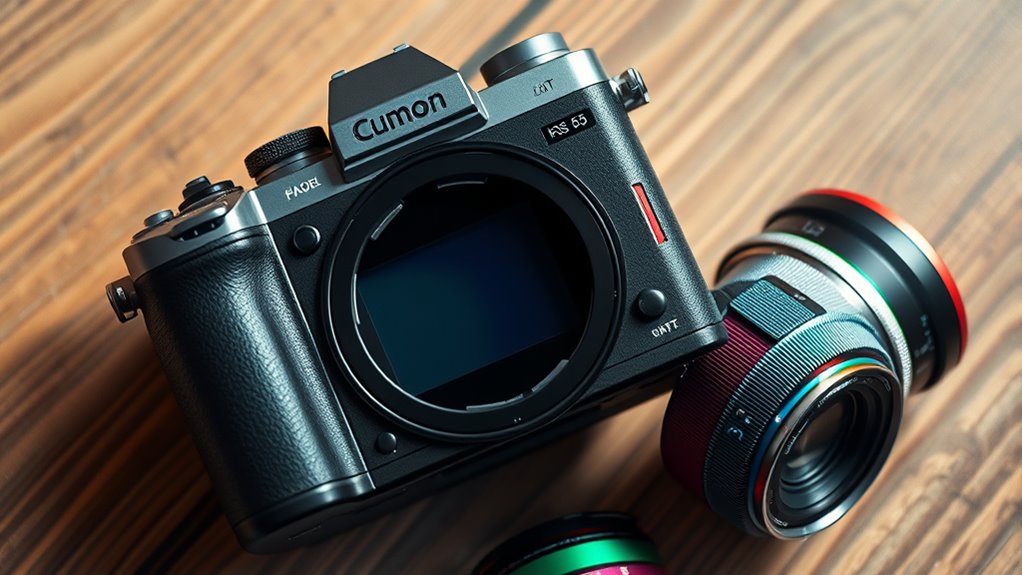
Ever wondered what makes mirrorless cameras so popular among photographers today? The answer lies in several core features, but two of the most significant are sensor sizes and lens compatibility. These elements directly influence your camera’s image quality, versatility, and how easily you can adapt your gear to different shooting scenarios. Sensor sizes, in particular, play a critical role because they determine how much light the camera can gather, impacting everything from low-light performance to depth of field control. Smaller sensors, like those found in compact cameras, tend to produce images with less detail and poorer performance in dim conditions. Larger sensors, such as APS-C and full-frame, capture more light, resulting in sharper images with better color accuracy and more nuanced bokeh effects. When choosing a mirrorless camera, understanding sensor sizes helps you align your gear with your photographic needs, whether it’s casual shooting, landscape, or professional work.
Lens compatibility is another essential factor. Unlike traditional DSLR systems, many mirrorless cameras have shorter flange distances, which means they can often accept a wider range of lenses, including those from other brands with adapters. This flexibility allows you to build a diverse kit over time without being locked into a single manufacturer’s ecosystem. However, it’s essential to check which lenses are compatible with your specific camera model to avoid frustration. Some lenses are designed exclusively for particular sensor sizes or mounts, so ensuring your lenses match your camera’s mount type and sensor format is key to maximizing image quality and performance. Additionally, lens compatibility affects your ability to use specialized lenses, like macro, wide-angle, or telephoto options, which can dramatically expand what you can capture.
In essence, understanding sensor sizes and lens compatibility empowers you to make smarter choices when selecting your mirrorless camera system. These factors influence your overall shooting experience, image output, and future expandability. The good news is that today’s mirrorless cameras often come with a range of compatible lenses and sensor options, giving you the freedom to tailor your gear to your style and needs. Whether you want compactness, low-light prowess, or a versatile lens lineup, knowing what matters helps you invest wisely. Remember, the right combination of sensor size and compatible lenses can elevate your photography, making every shot more precise, vibrant, and true to your vision.

Canon EOS RP Full-Frame Mirrorless Interchangeable Lens Camera + RF24-105mm Lens F4-7.1 is STM Lens Kit- Compact and Lightweight for Traveling and Vlogging, Black (3380C132)
Compact, Lightweight and High-Quality RF Lens with a Versatile Zoom Range of 24-105 millimeter
As an affiliate, we earn on qualifying purchases.
As an affiliate, we earn on qualifying purchases.
Frequently Asked Questions
How Do Mirrorless Cameras Compare to DSLR Cameras in Image Quality?
You’ll find that mirrorless cameras often match or even surpass DSLR image quality, thanks to their advanced sensors and high image resolution. With larger sensor sizes, they capture more light and detail, resulting in sharper images with better low-light performance. Additionally, their compact design doesn’t sacrifice quality, making them a great choice if you want professional results without the bulk of traditional DSLRs.
What Are the Best Lenses for Low-Light Photography?
You’ll want prime lenses with fast apertures to excel in low-light situations. Imagine capturing the city’s glow through a wide f/1.4 or f/1.8 lens, letting in more light and creating beautiful background bokeh. These lenses are sharp, light, and perfect for night photography or indoor shoots. By choosing fast apertures, you guarantee your images stay bright and detailed even when lighting is scarce, making your shots truly stand out.
How Does Autofocus Performance Differ Between Brands?
You’ll notice autofocus performance varies between brands, with some offering faster autofocus speed and higher accuracy. For instance, Sony often leads with quick, reliable autofocus, ideal for action shots. Canon and Nikon also excel, especially with improved eye-tracking features. Your choice depends on your needs—if speed and precision matter, pick a brand known for cutting-edge autofocus tech. Test different models to see which delivers the best autofocus performance for your photography style.
Can Mirrorless Cameras Shoot Professional Video?
Think of your mirrorless camera as a cinematic paintbrush—you can craft professional-quality videos with it. Yes, you can shoot professional videos, especially when you leverage advanced videography techniques and cinematic features like 4K recording, high frame rates, and in-body stabilization. These cameras are built to handle the demands of professional videography, giving you the tools to produce stunning, cinema-like content right from your handheld device.
What Accessories Are Essential for Mirrorless Camera Users?
You need essential accessories like a sturdy tripod to guarantee stability during shots, especially in low light or long exposures. A flash compatible with your mirrorless camera helps improve lighting when natural light falls short. Additionally, consider extra batteries for extended shoots, a quality camera bag for protection, and lens cleaning kits to maintain image clarity. These accessories enhance your photography experience and ensure you’re prepared for different shooting scenarios.
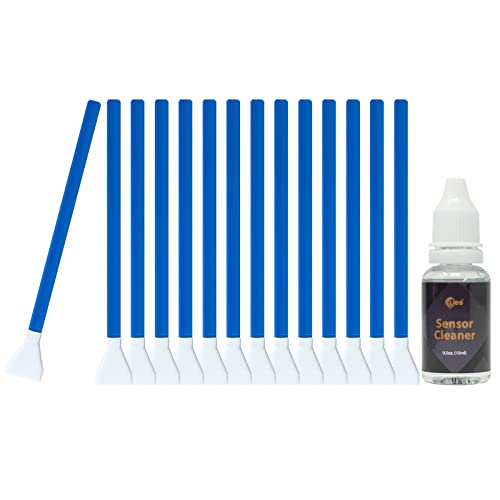
UES APS-C Sensor Cleaning Kit (APSC16) – 14pcs 16mm Sensor Cleaning Swabs & 15ml Alcohol-Free Sensor Cleaner – Compatible with Sony, Nikon, Canon, Fujifilm APS-C DSLR & Mirrorless Cameras
16MM APS-C SENSOR CLEANING KIT: Includes 14 ultra-soft, microfiber 16mm sensor swabs and a 15ml bottle of liquid…
As an affiliate, we earn on qualifying purchases.
As an affiliate, we earn on qualifying purchases.
Conclusion
Understanding mirrorless cameras means knowing how sensor size and lenses impact your photos. While some believe larger sensors always produce better images, recent advancements show that with the right lens and settings, smaller sensors can deliver stunning results. It’s not just about size—it’s about how you use your gear. By focusing on your photography style and experimenting, you’ll discover that the best camera choice depends more on your vision than technical specs alone.

VILTROX EF-EOS M Lens Mount Auto Focus Adapter, Compatible with Canon EF/EF-S Lens to Canon EOS M (EF-M Mount) Mirrorless Camera Body EOS M100 M50 M3 M10 M6 M5
It allows you to use your EOS M to attach any of Canon’s extensive range of EOS System…
As an affiliate, we earn on qualifying purchases.
As an affiliate, we earn on qualifying purchases.

14-in-1 Camera Lens Cleaning Kit – Mirrorless & DSLR Sensor Cleaning Kit for Canon, Sony, Nikon Including Lens Blower, Detergent, Swabs, Cloth, Pen, Brush
Professional Camera Lens Cleaning Kit Includes: air blowing * 1, two in one cleaning pen * 1, brush…
As an affiliate, we earn on qualifying purchases.
As an affiliate, we earn on qualifying purchases.