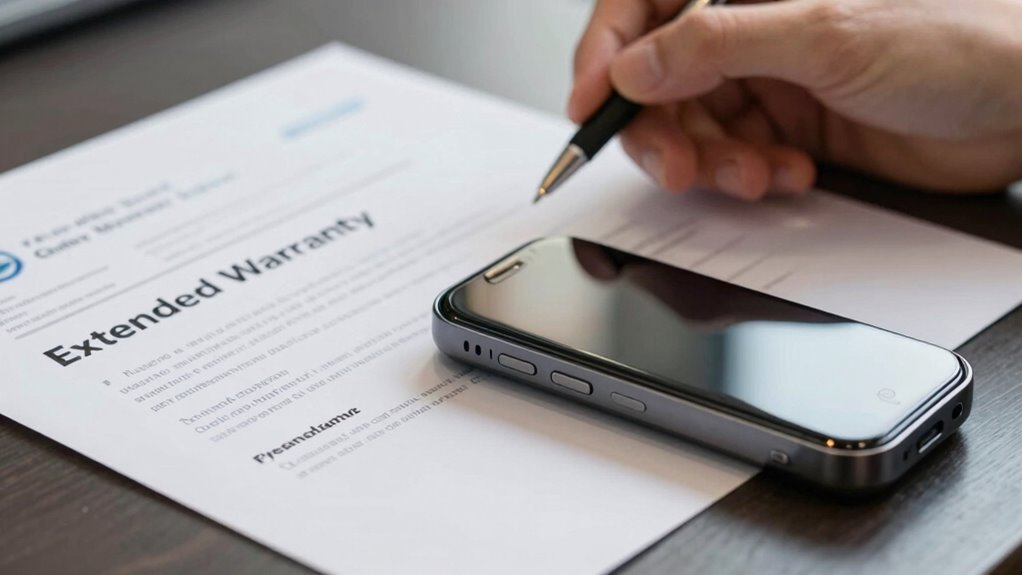

Extended warranties can be worthwhile if they protect items you rely on heavily or that could cost a lot to repair, like electronics or a car with known issues. However, if your gadget is still covered by the manufacturer or your vehicle is older, they might not be worth the extra cost. To decide if an extended warranty suits you, consider your needs and risks—more details ahead can guide your choice.
Key Takeaways
- Extended warranties are worth it for expensive electronics or vehicles with high repair costs, especially beyond the manufacturer’s initial coverage.
- They may not be beneficial if your product is still under warranty, or if repairs are unlikely or minor.
- Consider the reliability of the device or vehicle and whether coverage costs outweigh potential repair expenses.
- Read coverage limitations, exclusions, and deductibles carefully before purchasing an extended warranty.
- Setting aside savings for repairs can be a better alternative if you prefer flexibility or the warranty’s terms are restrictive.
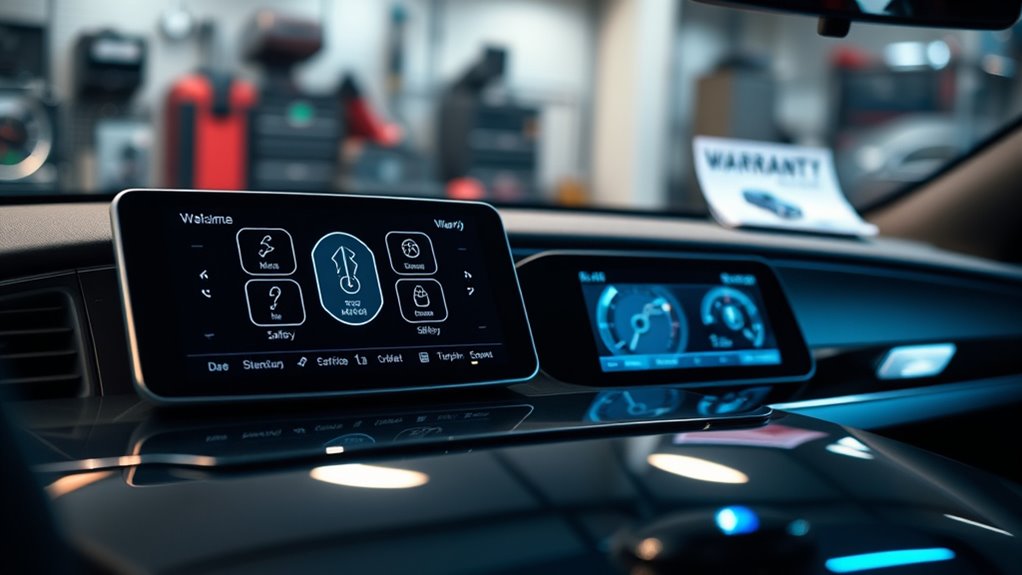
An extended warranty offers peace of mind by covering repairs and replacements beyond the manufacturer’s initial guarantee. When you purchase an extended warranty, you’re fundamentally paying for added protection that can save you from hefty out-of-pocket expenses down the line. This is especially true when it comes to electronics coverage and car protection, where repair costs can quickly add up. If you’re someone who relies heavily on your gadgets or drives a vehicle that’s out of warranty, an extended plan might seem appealing. However, it’s important to evaluate whether the costs are justified for your specific situation.
For electronics coverage, extended warranties can be beneficial if you own expensive devices like laptops, smartphones, or home entertainment systems. These items tend to be delicate and prone to malfunction over time, and repair costs can sometimes be steep. An extended warranty provides a safety net, allowing you to get repairs or replacements without draining your savings. But be cautious—many extended warranties have exclusions, deductibles, or limitations that reduce their value. If your gadgets are relatively new or inexpensive, the cost of coverage might outweigh the benefits, especially if the likelihood of failure is low or repairs are minor. Additionally, understanding the coverage limitations of these warranties helps you determine if they truly meet your needs.
When it comes to car protection, an extended warranty can be a smart move if you plan to keep your vehicle for many years. Cars tend to depreciate quickly, but the costs of repairs—especially for major components like the transmission or engine—can be significant. An extended car warranty can help you avoid unexpected bills and provide peace of mind during the years after the manufacturer’s coverage expires. Still, you should weigh the price of the warranty against your driving habits and the reliability of your vehicle model. If your car is known for durability or you drive only short distances, the likelihood of costly repairs may be low, making the warranty less worthwhile.
On the other hand, extended warranties aren’t always worth it. If your electronics are still under the manufacturer’s warranty, or if repairs are unlikely, paying for additional coverage might be unnecessary. Similarly, if your car is old or has a history of frequent breakdowns, an extended warranty may not cover what’s most likely to fail, or the cost might not justify the benefits. Instead, setting aside a small emergency fund for repairs can sometimes be a smarter choice. Remember, read the fine print carefully before committing to an extended warranty; understand what’s covered, what’s excluded, and the total costs involved. This way, you can make a well-informed decision that aligns with your needs and budget.
Frequently Asked Questions
How Do I Compare Extended Warranty Plans Effectively?
To compare extended warranty plans effectively, start by analyzing pricing strategies to find affordable options. Check coverage limitations to make sure they include repairs or replacements you might need. Read the fine print for exclusions and deductibles. Compare plans from different providers, taking into account how much coverage you truly need versus what’s offered. Don’t forget to take into account customer reviews and the reputation of the warranty provider for reliable service.
Are There Any Hidden Fees in Extended Warranties?
Yes, there can be hidden fees in extended warranties. Always read the fine print carefully, because some plans include hidden charges like administrative fees or service fees that aren’t obvious upfront. These extra costs can add up quickly, so ask directly about any hidden charges before purchasing. Being vigilant guarantees you don’t get surprised by unexpected expenses and helps you decide if the warranty truly offers good value.
Can I Cancel an Extended Warranty After Purchase?
You can usually cancel an extended warranty, but it’s like pulling a Band-Aid off—expect some conditions. Most providers offer a full refund if you cancel within a specific window, often before the service duration begins or early in the coverage period. After that, cancellation might only get you a prorated refund or partial product replacement value. Always check your policy’s terms to avoid surprises.
Do Extended Warranties Cover Accidental Damage?
Extended warranties may cover accidental damage, but it depends on the specific plan. You should check the product exclusions and coverage limits carefully, as some warranties exclude accidental damage altogether. Often, accidental damage coverage is limited or requires an additional fee. Always read the fine print to understand what’s included and what’s not, so you won’t be surprised by unexpected out-of-pocket costs later.
What’s the Typical Cost Difference Between Providers?
You might think all extended warranty providers charge the same, but the price difference can surprise you—sometimes it’s double! A quick price comparison reveals that reputable providers often cost more, but their reputation for reliable service can be worth the extra bucks. Don’t just chase the lowest price; consider the coverage details and customer reviews to find a balance that truly protects your investment.
Conclusion
In the end, deciding whether an extended warranty is worth it depends on your situation. Don’t let a sales pitch turn you into a warranty zombie; weigh the costs and benefits carefully. Remember, a good decision now can save you from a financial disaster that’s bigger than Mount Everest later. Trust your gut, do your homework, and don’t buy into the hype—because your wallet deserves a break from unnecessary expenses.