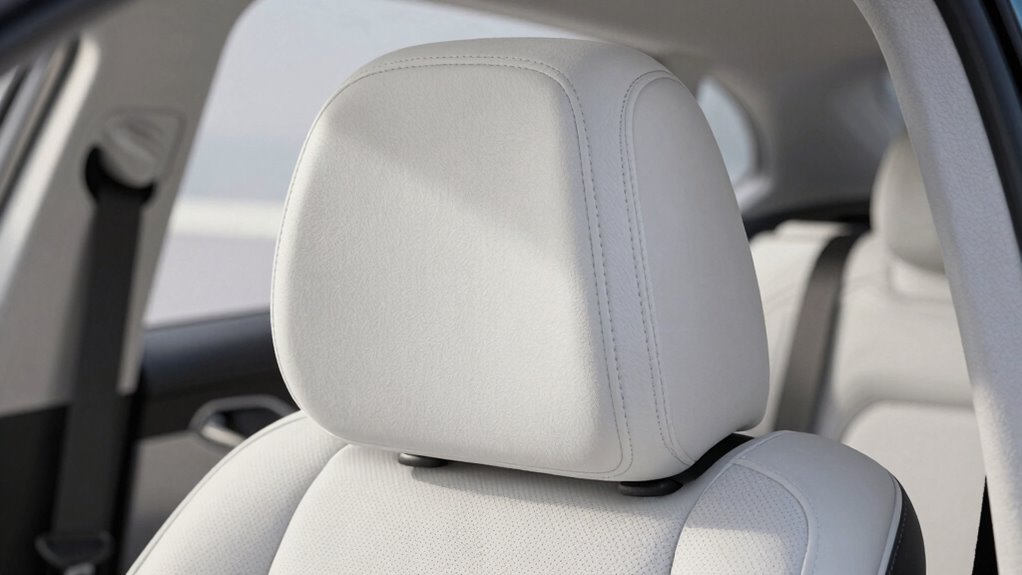

Using a headrest is vital for proper neck support, especially during long drives or sudden stops. It helps keep your neck aligned, reduces fatigue, and can prevent injuries like whiplash in crashes. Without one, you risk awkward head positions, discomfort, and increased tension. A well-designed, adjustable headrest ensures safety and comfort by supporting your natural posture. Want to discover how to choose the right headrest for your needs? Keep exploring to find out more.
Key Takeaways
- Proper headrests align with the neck’s natural curve, reducing muscle strain and promoting correct spinal posture.
- Adjustable headrests provide personalized support, enhancing comfort and safety during long drives and sudden stops.
- Without a headrest, the risk of neck injuries like whiplash increases in collisions and abrupt decelerations.
- Well-designed headrests prevent discomfort and distraction by minimizing unnecessary head and neck movements.
- Ergonomic headrests are crucial for both safety and comfort, especially for extended periods of driving.
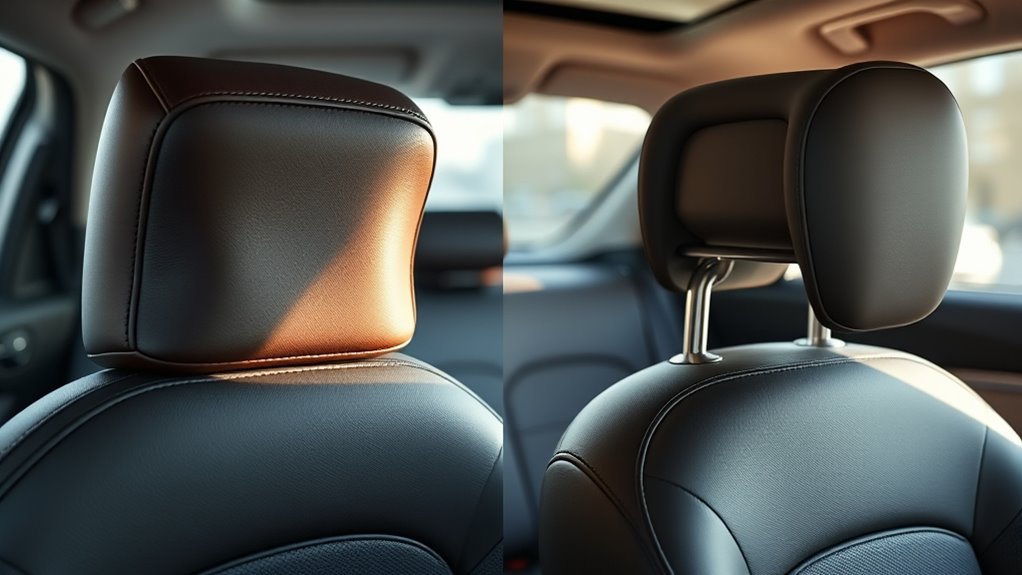
Have you ever wondered whether a headrest truly makes a difference in your driving comfort and safety? It’s a common question, especially as you spend hours behind the wheel. The answer largely depends on the design of your seat and how well it supports your neck during long drives or sudden stops. When considering whether to use a headrest, it’s essential to think about ergonomic design and comfort considerations. A properly designed headrest isn’t just an accessory; it’s an indispensable feature that can influence your posture, reduce fatigue, and help prevent injuries.
Ergonomic design plays a significant role in how effective a headrest can be. When a headrest is well-designed, it aligns with the natural curve of your neck and head, providing support exactly where you need it. This support helps maintain proper spinal alignment, which minimizes strain on your neck muscles. Without a headrest, your head might be forced into awkward positions, especially during sudden movements or prolonged driving. That can lead to discomfort, stiffness, and even chronic pain over time. An ergonomic headrest, adjustable to your height and seating position, ensures that your neck is supported in a neutral, relaxed posture, reducing fatigue and enhancing overall comfort. Additionally, incorporating ergonomic principles into your seat setup can further improve your driving experience.
A well-designed, adjustable headrest supports your neck’s natural curve, reducing strain and enhancing comfort on long drives.
Comfort considerations go beyond just preventing pain; they influence how alert and relaxed you feel on the road. When your neck is well-supported, you’re less likely to experience discomfort that distracts you from driving. A headrest that fits your body correctly can make long trips feel shorter and less tiring. Conversely, a poorly designed or absent headrest can cause you to constantly adjust your position, leading to unnecessary tension and distraction. If you’re involved in a collision, a headrest that’s properly positioned can also play a vital role in preventing whiplash injuries by limiting excessive forward or backward movement of your head.
Ultimately, whether a headrest makes a noticeable difference depends on its ergonomic features and your personal comfort needs. Many modern vehicles incorporate adjustable headrests with ergonomic principles in mind, allowing you to customize support for your neck’s natural contours. If your seat lacks this feature, you might consider aftermarket options that improve support and comfort. Remember, the goal isn’t just to have a headrest, but to have one that enhances your safety and comfort through thoughtful design. When chosen wisely, a headrest becomes an invaluable part of your driving experience, helping you stay comfortable, alert, and protected every mile of the way.
Frequently Asked Questions
How Does Headrest Height Affect Neck Strain?
Adjusting the headrest height directly impacts your ergonomic comfort and cervical alignment. When the headrest is too high, it forces your neck into an unnatural position, increasing strain. Conversely, a properly aligned headrest supports your neck’s natural curve, reducing discomfort and promoting better posture. Make sure your headrest is level with your ears or slightly lower to maintain ideal cervical support and prevent neck strain during extended periods of sitting.
Are Adjustable Headrests Better Than Fixed Ones?
Adjustable headrests are like the Swiss Army knives of ergonomic design—they’re far superior to fixed ones. You can customize the height and angle to perfectly support your neck, reducing strain and discomfort. Plus, their sleek, aesthetic appeal enhances your chair’s look while providing personalized comfort. If you want ideal neck support and style, adjustable headrests are definitely the way to go, offering flexibility and a tailored fit for every user.
Can Headrests Prevent Whiplash Injuries?
Yes, headrests can help prevent whiplash injuries if they feature ergonomic design and durable materials. When properly positioned, they support your neck during a rear-end collision, reducing the risk of sudden strain. Choose headrests with sturdy construction and adjustable features, ensuring they fit your body comfortably. This combination of ergonomic design and material durability maximizes protection, giving you peace of mind on the road.
Do Headrests Improve Long-Term Posture?
Yes, headrests can improve your long-term posture. An ergonomic design guarantees the headrest provides proper neck support, reducing strain over time. Look for a headrest made from comfortable, durable material that adapts to your movements. Properly adjusted headrests encourage better alignment of your spine and neck, helping prevent long-term issues like chronic pain or degenerative problems. Prioritizing ergonomic features and quality materials makes a noticeable difference in your posture health.
Is There an Ideal Headrest Position for Sleeping?
The ideal headrest position for sleeping depends on your comfort and ergonomic needs. You should position the headrest so your neck remains aligned with your spine, avoiding strain. Look for ergonomic design features that support natural curves, and choose headrest material that offers breathable, cushioned support. Adjust the height and angle to make certain your head feels supported without tilting forward or backward, promoting restful sleep and reduced neck tension.
Conclusion
Ultimately, choosing a headrest is like steering your ship through stormy seas—you need that steadying force to keep you safe and comfortable. Whether you opt for one or go without, remember that your neck’s well-being depends on making the right call for you. Trust your instincts and prioritize your comfort, because just like a sturdy sail keeps a boat afloat, the right support keeps you feeling secure on every journey.