
To track your work without micromanaging yourself, set clear goals and expectations to stay focused on results. Use productivity tools like project management apps and dashboards to get real-time updates and maintain transparency. Schedule routine check-ins and block specific times for updates to avoid constant interruptions. Trust your progress and focus on outcomes rather than micromanaging every detail. Keep structures in place to support autonomy, and you’ll find it easier to stay organized and motivated over time.

Prime made for students and young adults
- Fast, free delivery for dorm and study essentials
- Prime Video and Amazon Music included
- Member-only deals
Key Takeaways
- Use project management tools to visualize progress and set clear milestones for accountability.
- Schedule regular, brief check-ins to review progress without disrupting workflow.
- Define specific, measurable goals to maintain focus and track results effectively.
- Foster trust by empowering autonomous work and minimizing unnecessary oversight.
- Implement transparent workflows that balance oversight with flexibility and responsibility.
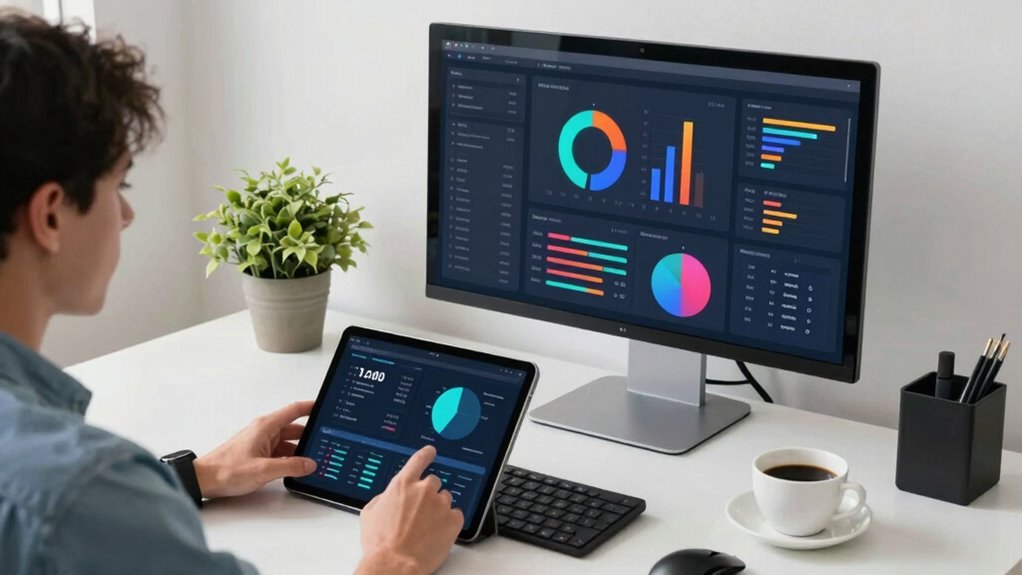
Managing a team effectively doesn’t mean you have to constantly oversee every task. Instead, you can implement a system that enables you to track work efficiently while giving your team the freedom to work independently. The key lies in balancing oversight with trust, which starts with good time management and the right productivity tools. When you manage your time well, you create space to focus on strategic priorities rather than getting bogged down in micromanagement. Allocating specific blocks of time for checking in on progress, reviewing updates, and responding to questions helps prevent constant interruptions and keeps your day structured. This approach allows you to maintain oversight without feeling overwhelmed.
Effective team management balances oversight with trust through time management and productivity tools.
In addition, adopting productivity tools can dramatically streamline your tracking process. Platforms like project management software, time tracking apps, and collaborative tools provide real-time updates on work progress. These tools automatically log activities, deadlines, and completed tasks, giving you a clear picture without the need for frequent check-ins. For example, using a project dashboard, you can see what each team member is working on, the status of ongoing projects, and upcoming deadlines at a glance. This transparency reduces the temptation to micromanage because everyone’s responsibilities are visible and accountable. Incorporating effective project management strategies can further enhance your ability to oversee work without micromanaging. Additionally, establishing consistent routines for updates can foster a sense of reliability and structure within your team.
Furthermore, setting clear expectations at the outset of each project is critical. When your team understands what success looks like and knows their responsibilities, they’re more likely to stay on track without constant supervision. Incorporate regular, scheduled updates into your workflow—perhaps a weekly stand-up or progress report—so that your team provides updates proactively. This method fosters accountability and keeps you informed without hovering. Establishing clear communication channels can also enhance this process, making updates more effective and streamlined. Developing a trust-based environment encourages your team to take ownership of their work and reduces the need for constant oversight.
Trusting your team is essential. While it’s tempting to keep a close eye on every detail, doing so can undermine their confidence and productivity. Instead, focus on results and allow flexibility in how your team achieves their goals. Use productivity tools not just for monitoring but also for providing feedback and celebrating milestones. When you combine effective time management, clear goals, and the right tools, you can create a transparent work environment that supports autonomy and accountability without micromanagement. Building a culture of trust can significantly improve overall team performance and morale.
In the end, your goal is to create a workflow that promotes transparency, accountability, and autonomy. By managing your time wisely and leveraging the best productivity tools, you can track work efficiently without micromanaging yourself or your team. This balanced approach leads to a more motivated, engaged team and a more manageable workload for you. Developing a structured workflow that aligns with these principles ensures sustainable success over time.
As an affiliate, we earn on qualifying purchases.
Frequently Asked Questions
How Do I Choose the Right Tracking Tools for My Workflow?
To choose the right tracking tools for your workflow, consider your specific needs for time management and productivity metrics. Look for tools that integrate easily with your existing systems and offer features that help you monitor progress without adding complexity. Test different options to see which ones boost your efficiency, and prioritize those that provide clear insights into your work habits, helping you stay focused and organized.
Can This System Be Adapted for Team Collaboration?
Think of your team as a well-orchestrated band—each member plays a crucial role. Yes, this system adapts for collaboration, fostering team synchronization and collaborative accountability. By using shared tools and transparent tracking, everyone stays on cue without micromanagement. You’ll notice improved communication, collective progress, and a unified rhythm, making it easier to hit deadlines and celebrate milestones together. It’s about empowering your team to work cohesively, effortlessly.
What Are Common Mistakes When Implementing This Tracking System?
A common mistake is complacency, where you assume the system will work flawlessly without regular updates. Neglecting consistency also hampers progress; if you don’t stick to your tracking routine, data becomes unreliable. To avoid these pitfalls, stay committed, review your progress daily, and adjust your methods as needed. Consistent effort prevents complacency, ensuring your tracking system remains effective and your goals stay within reach.
How Often Should I Review My Tracked Work Data?
You should review your tracked work data weekly or bi-weekly, depending on your tracking frequency and review intervals. Regular reviews help you identify patterns, stay on top of progress, and adjust your goals as needed. Consistency is key, so choose a schedule that fits your workflow. By sticking to your review intervals, you guarantee your tracking system remains effective and keeps you motivated without feeling overwhelming.
Is This System Suitable for Very Busy or High-Pressure Roles?
Think of this system as your steady ship in a stormy sea—yes, it’s suitable for high-pressure roles. It helps you navigate workload management smoothly and reduces stress by giving you clear insights without drowning in details. You’ll find it adapts to busy schedules, empowering you to stay afloat and focused. With consistent tracking, you maintain control and avoid chaos, turning pressure into productivity.
As an affiliate, we earn on qualifying purchases.
Conclusion
Now that you’ve set up your system, the real challenge begins: trusting it. Will it hold up when deadlines tighten and distractions tempt you? As you start tracking your work, you might discover surprises lurking in your habits—some helpful, others not. The key is to stay committed and adaptable. Keep your eyes open; the breakthroughs you seek might be closer than you think, just waiting for you to access them. Are you ready to see what’s next?
As an affiliate, we earn on qualifying purchases.
As an affiliate, we earn on qualifying purchases.
Halloween Picks
halloween
As an affiliate, we earn on qualifying purchases.