
TL;DR
Scientists forecast a major El Niño event in 2026, which could cause widespread weather changes worldwide. The forecast is based on current climate models, but specific impacts remain uncertain.
Climate scientists are forecasting a super El Niño event in 2026, which could significantly alter weather patterns worldwide. You can learn more about Super El Nino here. This prediction is based on current climate models and historical trends, and it highlights the potential for widespread impacts on agriculture, water resources, and disaster preparedness.
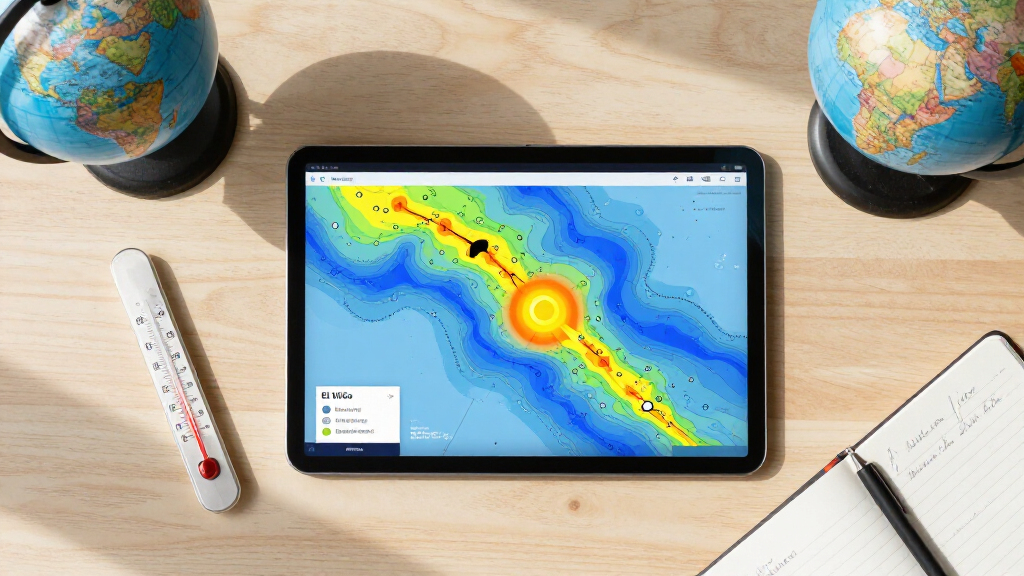
Multiple meteorological agencies, including the National Oceanic and Atmospheric Administration (NOAA), have indicated that conditions are aligning for a strong El Niño to develop in 2026. For the latest updates, see the El Nino Forecast. The forecast suggests that sea surface temperatures in the central and eastern Pacific Ocean are trending upward, a key indicator of El Niño formation. While the exact strength and timing of the event are still uncertain, experts warn that a super El Niño could lead to extreme weather events such as droughts, heavy rainfall, and temperature anomalies across different regions.
Current climate models project that the 2026 El Niño could rival or surpass previous strong events, such as the 2015-2016 El Niño, which caused widespread flooding and drought. A detailed analysis can be found in this article. However, scientists emphasize that predictions about the severity and specific impacts are still being refined, and uncertainties remain regarding how long the event will last and which regions will be most affected.
Potential Global Disruptions from 2026 Super El Niño
The forecast of a super El Niño in 2026 matters because such events can trigger significant climate disruptions worldwide. Historically, strong El Niños have been linked to increased frequency of natural disasters, including floods, wildfires, and droughts. These impacts can threaten food security, water availability, and infrastructure resilience, especially in vulnerable regions. Governments and organizations are closely monitoring the forecast to prepare for possible emergency responses and adaptation strategies.

FosPower NOAA Emergency Weather Radio A1 7400mWh Portable Power Bank, AM/FM, USB/Solar/Hand Crank Charging, Battery Operated, SOS Alarm & Flashlight for Indoor/Outdoor Emergency – Orange
[7400mWh (2000mAh) POWER BANK WILL KEEP DEVICES POWERED] The FosPower FOSPWB-2376 emergency radio incorporates a 7400mWh (2000mAh) power…
As an affiliate, we earn on qualifying purchases.
As an affiliate, we earn on qualifying purchases.
Historical Patterns and Recent Climate Trends
El Niño is a natural climate phenomenon characterized by warming of sea surface temperatures in the central and eastern Pacific Ocean. It occurs irregularly, roughly every 2 to 7 years, and influences global weather patterns. The last significant El Niño was in 2015-2016, which was associated with severe weather events worldwide. Climate scientists have observed an increasing trend in the intensity of El Niño events, possibly linked to broader climate change influences, raising concerns about future extreme events. The current forecast is based on a combination of satellite data, ocean temperature measurements, and climate modeling.
“While we cannot predict exact impacts yet, the signs point toward a potentially very strong El Niño in 2026, which warrants close monitoring.”
— Dr. Jane Smith, NOAA Climate Scientist

EMDMAK Survival Kit Outdoor Emergency Gear Kit for Camping Hiking Travelling or Adventures
[16 in 1 Waterproof Case]: Stainless Steel Versatile Tool Card, Fire Starter, Compass, Wire Saw, Emergency Whistle and…
As an affiliate, we earn on qualifying purchases.
As an affiliate, we earn on qualifying purchases.
Uncertainties in Timing and Severity of 2026 El Niño
While forecasts indicate a super El Niño in 2026, specific details about its timing, duration, and intensity remain uncertain. Climate models can only project probabilities, and natural variability means that actual outcomes may differ. Scientists are still analyzing oceanic and atmospheric data to refine predictions, and it is not yet clear which regions will be most affected or when the impacts will peak.

Midland – ER310, Emergency Crank Weather AM/FM Radio – Multiple Power Sources, SOS Emergency Flashlight, Ultrasonic Dog Whistle, & NOAA Weather Scan + Alert (Red/Black)
MULTIPLE POWER SOURCES – The ER310 features 3 sustainable power sources to recharge your radio: Solar Panel, Hand…
As an affiliate, we earn on qualifying purchases.
As an affiliate, we earn on qualifying purchases.
Monitoring and Preparedness Efforts for 2026 Event
Scientists will continue to monitor ocean temperatures and atmospheric conditions throughout 2024 and 2025 to refine the forecast. Governments and agencies are advised to prepare contingency plans for extreme weather events linked to El Niño. Further updates are expected as new data becomes available, with official forecasts likely to be issued closer to the event’s onset.
FosPower NOAA Emergency Weather Radio A1 7400mWh Portable Power Bank, AM/FM, USB/Solar/Hand Crank Charging, Battery Operated, SOS Alarm & Flashlight for Indoor/Outdoor Emergency – Orange
[7400mWh (2000mAh) POWER BANK WILL KEEP DEVICES POWERED] The FosPower FOSPWB-2376 emergency radio incorporates a 7400mWh (2000mAh) power…
As an affiliate, we earn on qualifying purchases.
As an affiliate, we earn on qualifying purchases.
Key Questions
What is a super El Niño?
A super El Niño is an unusually strong phase of the El Niño climate phenomenon, characterized by significant warming of sea surface temperatures in the Pacific Ocean, leading to major global weather impacts.
How certain are scientists about the 2026 forecast?
While current models suggest a strong El Niño in 2026, specific details about its strength and timing are still uncertain, and predictions are subject to change as new data emerges.
What regions could be most affected by the 2026 El Niño?
Regions most vulnerable typically include parts of North and South America, Australia, Southeast Asia, and Africa, but precise impacts depend on how the event develops.
How might this forecast influence policy and preparedness?
Governments and organizations may increase monitoring, prepare emergency response plans, and implement adaptive measures to mitigate potential impacts of the predicted super El Niño.
When will more definitive forecasts be available?
More precise forecasts are expected in late 2024 or early 2025, as oceanic and atmospheric data become clearer and climate models are refined.
Source: google-trends