
TL;DR

Prime made for students and young adults
- Fast, free delivery for dorm and study essentials
- Prime Video and Amazon Music included
- Member-only deals
A solar eclipse is happening today, with live streams available online. This event is visible in parts of Europe and Africa. Details about the eclipse are confirmed, but some specifics about its duration and viewing areas are still emerging.
A solar eclipse is currently taking place, visible across parts of Europe and Africa. The event is being streamed live by various organizations, allowing viewers worldwide to watch in real-time. This eclipse, visible in specific regions, is confirmed to be the first of several expected in 2026, making it a significant astronomical event.
According to the European Space Agency (ESA), the eclipse began around 10:00 UTC and is expected to last approximately two hours in some locations. Several reputable sources, including NASA and European observatories, are providing live streams accessible through their official websites and social media channels. The eclipse is classified as a total solar eclipse in certain areas, where the moon completely covers the sun, creating a dramatic darkening during daytime.
Experts confirm that the eclipse’s path of totality passes through parts of Spain, Portugal, and northern Africa. Viewers in these regions are experiencing the most significant visual effects, while others in nearby areas see a partial eclipse. The event is attracting millions of viewers, with online traffic surging for live streams and updates.
Why the Solar Eclipse Matters for Science and Public Engagement
This eclipse offers scientists valuable opportunities to study the sun’s corona and solar phenomena, which are usually obscured by the sun’s brightness. Publicly, it raises awareness of astronomy and space science, inspiring interest in STEM fields. The live streams and widespread coverage help democratize access to astronomical events, fostering global engagement.
As an affiliate, we earn on qualifying purchases.
Background on the 2026 Solar Eclipses and Viewing Regions
This eclipse is part of the 2026 solar eclipse cycle, which will feature several eclipses visible across different parts of the world. The upcoming total eclipse in 2026 is notable because it will be visible in parts of southern Europe and northern Africa, areas that have limited recent eclipse visibility. Historically, solar eclipses have drawn public fascination and scientific interest, with modern technology enabling real-time global observation.
Previous eclipses, such as the 2017 eclipse across the U.S., increased public interest and scientific study. Experts note that the current event’s visibility in Europe and Africa aligns with predictions based on eclipse path calculations from NASA and other space agencies.
“This eclipse provides a unique opportunity for both scientists and the public to observe and study solar phenomena that are normally hidden. The live streams make it accessible worldwide.”
— Dr. Maria Schmidt, ESA Astronomer
As an affiliate, we earn on qualifying purchases.
Unconfirmed Details About Eclipse Duration and Viewing Hotspots
While the start time and general path of the eclipse are confirmed, exact durations in specific locations vary due to local atmospheric conditions and geographic factors. It is not yet clear how long the totality will last in each area, and some remote regions may experience limited visibility due to weather or technical issues with live streams.
As an affiliate, we earn on qualifying purchases.
Upcoming Phases and Future Eclipses in 2026
The eclipse is expected to reach totality in its peak regions around 11:30 UTC. Afterward, the partial phases will continue for several hours, with viewers encouraged to follow official streams for updates. The next major eclipse visible in Europe and Africa will occur in August 2026, offering further opportunities for observation and study.
As an affiliate, we earn on qualifying purchases.
Key Questions
Where can I watch the eclipse live?
Several organizations, including NASA, ESA, and local observatories, are providing live streams accessible via their official websites and social media channels.
What regions are experiencing totality?
Parts of Spain, Portugal, and northern Africa are currently experiencing total eclipse phases, with other nearby areas seeing partial coverage.
How long will the eclipse last in my area?
The duration varies by location; in totality, it can last up to a few minutes, but overall eclipse phases can span several hours. Exact times depend on your geographic position.
Is it safe to view the eclipse without protection?
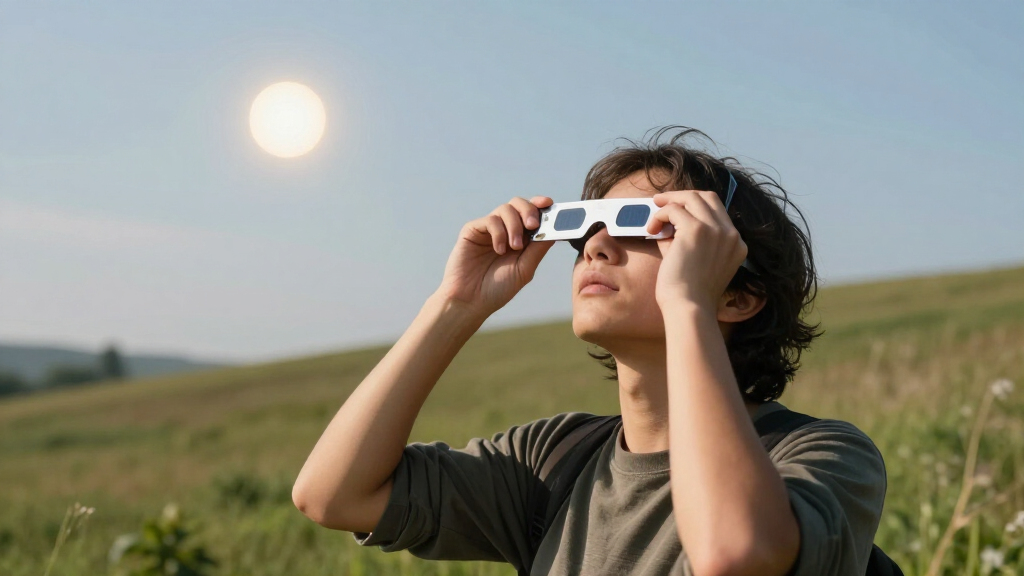
No, viewing a solar eclipse without proper eye protection can cause serious eye damage. Use certified eclipse glasses or indirect viewing methods.
What scientific insights can be gained from this eclipse?
Scientists aim to study the sun’s corona and solar magnetic activity, which are best observed during totality. Data collected may improve understanding of solar weather and space climate impacts.
Source: google-trends
Fall Picks
fall essentials
As an affiliate, we earn on qualifying purchases.