
TL;DR

Prime made for students and young adults
- Fast, free delivery for dorm and study essentials
- Prime Video and Amazon Music included
- Member-only deals
Webcams are set to stream the 2026 solar eclipse worldwide, providing live coverage for viewers. The deployment is confirmed, though some technical details are still being finalized.
Webcams dedicated to streaming the 2026 solar eclipse will be operational across multiple locations globally, offering live coverage to millions of viewers. For more details, see the Solar Eclipse page. This initiative, confirmed by the organizers, aims to enhance public access to astronomical events and promote science engagement.
The project involves deploying a network of high-resolution webcams along the eclipse path, including locations in North America, South America, and parts of Africa and Europe. You can learn more about the Open-source Interactive Map For The Aug 12 Total Solar Eclipse. According to the Eclipse Webcams consortium, the webcams will provide real-time streams accessible via web browsers and mobile apps.
Officials confirmed that the webcams are being installed and tested across key viewing sites, with the first live streams expected to go live in the weeks leading up to the eclipse on August 12, 2026. The initiative is supported by several space agencies, observatories, and educational organizations aiming to maximize public engagement.
Impact of Live Streaming on Public Engagement in 2026
The live webcam coverage of the 2026 eclipse represents a significant advancement in public science outreach. It will enable millions worldwide to observe the event in real-time, regardless of weather conditions or geographic location, potentially increasing interest in astronomy and science education. Additionally, it provides a valuable tool for researchers and educators to study and share the eclipse experience.
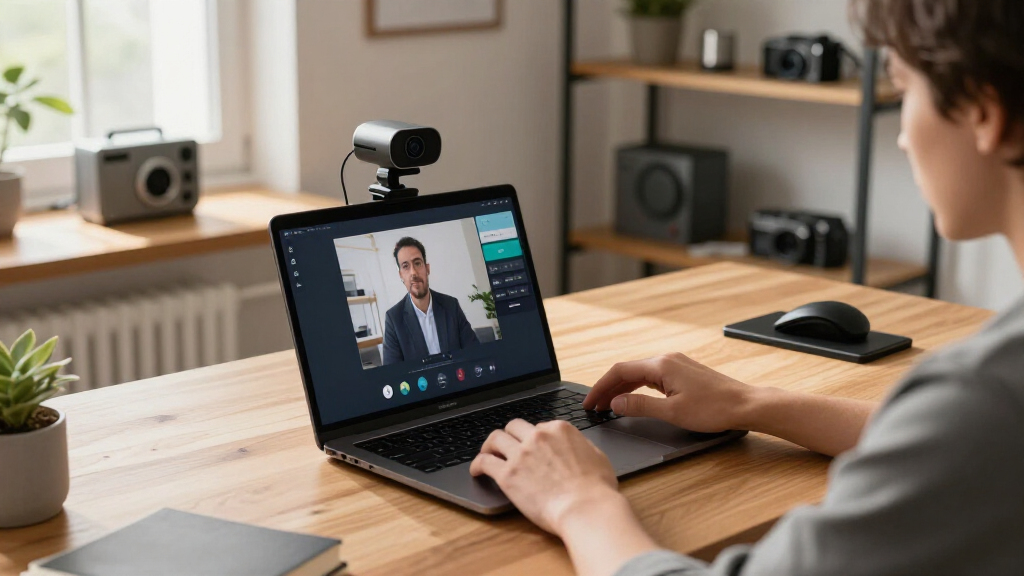
high resolution webcam for live streaming
As an affiliate, we earn on qualifying purchases.
As an affiliate, we earn on qualifying purchases.
Previous Solar Eclipse Coverage and Technological Advances
Past eclipses, such as the 2017 total solar eclipse, saw extensive live streaming efforts, but the 2026 event is expected to feature more advanced, higher-quality webcams and a broader global network. The deployment builds on recent technological improvements in remote cameras and internet streaming, aiming to deliver clearer images and more reliable coverage.
Organizers have indicated that this is part of a broader initiative to use digital technology to democratize access to astronomical phenomena, making such events more inclusive and educational.
outdoor solar eclipse streaming camera
As an affiliate, we earn on qualifying purchases.
As an affiliate, we earn on qualifying purchases.
Technical Details and Coverage Reliability Still Being Finalized
While the deployment of webcams is confirmed, some specifics remain uncertain. It is not yet clear how many webcams will be operational at launch, the exact streaming quality, or potential disruptions due to technical or weather-related issues. Organizers have stated that they are actively testing the systems but have not disclosed all technical parameters.
As an affiliate, we earn on qualifying purchases.
Upcoming Testing and Public Access Launch in Early 2026
Preparatory testing of the webcam network is scheduled through the first half of 2026, with full public streaming expected to commence in July 2026. Organizers plan to provide regular updates on system performance and coverage areas as the event approaches, ensuring viewers are informed about how and when to access the streams.
As an affiliate, we earn on qualifying purchases.
Key Questions
Will the webcams cover the entire eclipse path?
Most webcams are planned for key locations along the eclipse path, but coverage may vary depending on technical and logistical factors. The goal is to maximize coverage of major viewing sites.
Can viewers access the live streams for free?
Yes, the live streams are intended to be freely accessible via official websites and apps supported by the organizing agencies.
What equipment will be used for the webcams?
The webcams will feature high-resolution, weather-resistant cameras capable of capturing detailed images of the eclipse, with some equipped for remote operation and live streaming.
Will the webcams provide interactive features?
Organizers have indicated plans to include features like multi-angle views and educational overlays, but these are still in development and not yet confirmed.
How will the webcams improve public understanding of the eclipse?
By providing accessible, real-time visuals, the webcams will help viewers better understand the eclipse’s progression and scientific significance, especially for those unable to travel to viewing sites.
Source: hn
Fall Picks
fall essentials
As an affiliate, we earn on qualifying purchases.