
TL;DR

Prime made for students and young adults
- Fast, free delivery for dorm and study essentials
- Prime Video and Amazon Music included
- Member-only deals
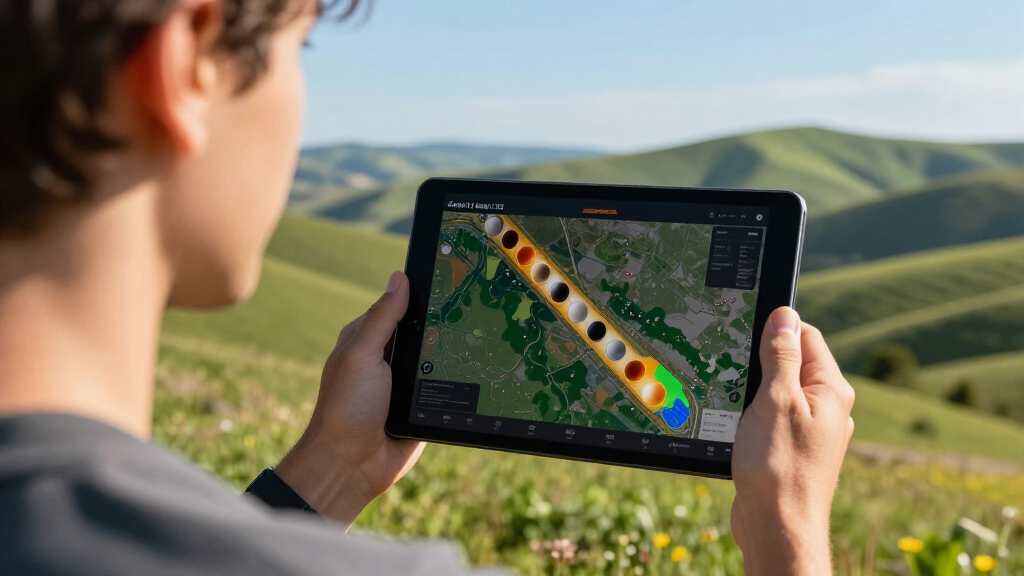
An open-source interactive map dedicated to the August 12 total solar eclipse has been launched, providing detailed viewing paths and educational tools. The map aims to improve public engagement and safety during the event.
An open-source interactive map designed for the August 12 total solar eclipse has been launched, providing detailed viewing paths across North America and educational resources. The map, developed by a collaborative community of astronomers and developers, aims to enhance public engagement and safety during the event.
The map is freely accessible online and includes precise geographic data outlining the eclipse’s path of totality, as well as interactive features such as real-time weather overlays and safety tips. According to the developers, the project is entirely open-source, allowing anyone to contribute or adapt the tool for local educational purposes.
The initiative was announced by a coalition of astronomy groups and tech volunteers, with the goal of broadening access to accurate eclipse information. The map is hosted on a publicly available platform and is compatible with desktop and mobile devices, ensuring widespread accessibility.
Impact on Public Engagement and Safety During the Eclipse
This open-source map represents a significant step toward democratizing access to scientific information about the eclipse. By providing detailed, customizable viewing routes and safety instructions, it helps viewers plan their experience more effectively. The collaborative nature of the project encourages community involvement, potentially increasing awareness and safety during the event.
Experts note that such tools can reduce risks associated with viewing the eclipse improperly, such as eye damage or accidents caused by crowding. The map also supports educational outreach, helping schools and communities prepare for the event with accurate, engaging resources.
As an affiliate, we earn on qualifying purchases.
Development of Public Tools for the August 12 Eclipse
Leading up to the August 12 eclipse, various organizations have developed resources to assist the public, including apps, websites, and educational materials. The launch of this open-source map follows previous efforts by astronomical societies and tech communities to improve accessibility and safety.
The project builds on existing digital tools, such as NASA’s eclipse maps and local viewing guides, but emphasizes community-driven development and customization. Open-source projects like this have gained popularity for their transparency and collaborative potential, especially for large-scale events like solar eclipses.
As an affiliate, we earn on qualifying purchases.
Remaining Questions About Map Functionality and Adoption
While the map is now available, it is not yet clear how widely it will be adopted or how effectively it will be used during the eclipse. Developers are still collecting user feedback, and some features, such as real-time weather overlays, are in beta testing. Additionally, the extent of community contributions and updates remains to be seen as the event approaches.
As an affiliate, we earn on qualifying purchases.
Upcoming Updates and Public Testing Before the Eclipse
Developers plan to release periodic updates based on user feedback and may add new features, such as live streaming links and augmented reality views. They also intend to promote the map through social media and educational outreach programs. As the eclipse date nears, organizers will monitor its usage and gather data to improve the tool for future events.
As an affiliate, we earn on qualifying purchases.
Key Questions
How can I access the eclipse map?
The map is available online at [URL], accessible via desktop and mobile browsers. It is free to use and open-source, with no registration required.
Is the map suitable for educational purposes?
Yes, the map includes educational resources and safety tips, making it suitable for schools, community groups, and individual viewers.
Will the map include real-time weather updates?
Some features, like weather overlays, are currently in beta and may be available closer to the event date. Developers plan to enhance these features based on user feedback.
Can I contribute to the map’s development?
Yes, since the project is open-source, anyone with technical skills can contribute or suggest improvements via the project’s repository on GitHub.
What safety precautions should I follow when viewing the eclipse?
Always use approved eclipse glasses to protect your eyes, avoid looking directly at the sun without proper eye protection, and stay in safe, accessible locations during the event.
Source: hn
Fall Picks
fall essentials
As an affiliate, we earn on qualifying purchases.