TL;DR

Prime made for students and young adults
- Fast, free delivery for dorm and study essentials
- Prime Video and Amazon Music included
- Member-only deals
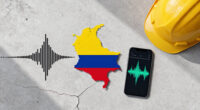
A strong earthquake struck Colombia today, leading to structural damage and evacuations in several regions. Authorities are assessing casualties and damage, with ongoing response efforts. Residents are advised to stay alert for tsunami alerts in case of aftershocks.
A significant earthquake with a magnitude of 6.8 struck Colombia this morning, causing damage in multiple regions and prompting evacuations. Authorities confirmed initial reports of structural damage and injuries, with rescue operations underway. For recent seismic activity in the region, see the latest earthquake updates. The event marks one of the strongest quakes in the country this year, raising concerns about potential aftershocks and ongoing risks.
The earthquake occurred at approximately 8:15 a.m. local time, with its epicenter located near the city of Cali, according to the Colombian Geological Service. The quake registered a magnitude of 6.8 on the Richter scale and was felt across several departments, including Valle del Cauca, Quindio, and Risaralda. Local officials reported structural damage to buildings, roads, and infrastructure, with some areas experiencing power outages and communication disruptions.
Emergency services have confirmed at least 12 injuries so far, with hospitals in Cali and nearby cities treating patients. Authorities have evacuated residents from high-risk zones, particularly in older buildings and unstable structures. Search and rescue teams are working to locate potential victims trapped in collapsed buildings, while the government has issued a state of alert to coordinate response efforts.
Why the Colombia Earthquake’s Impact Is Critical
This earthquake underscores Colombia’s vulnerability to seismic activity, especially in its western regions near tectonic fault lines. The event has already caused significant damage, highlighting the need for improved preparedness and resilient infrastructure. The ongoing response will influence future emergency planning and disaster management policies, making this event a key moment for national safety strategies.
As an affiliate, we earn on qualifying purchases.
Seismic History and Recent Earthquake Activity in Colombia
Colombia is situated along the Pacific Ring of Fire, making it prone to earthquakes and volcanic activity. The country experienced a magnitude 6.5 quake in 2020 that caused casualties and damage in the same region. Historically, major seismic events have prompted government reviews of building codes and disaster response plans, but vulnerabilities remain, especially in less developed areas. The current earthquake follows a series of smaller tremors over the past month, indicating ongoing seismic activity in the region.
“The earthquake had a magnitude of 6.8 and was felt strongly across multiple departments. Emergency teams are actively assessing the damage.”
— Colombian Geological Service
As an affiliate, we earn on qualifying purchases.
Unconfirmed Reports and Potential Aftershocks
It is still unclear how extensive the damage is across all affected regions, and the total number of casualties remains uncertain. Authorities are warning of possible aftershocks, which could cause further damage and complicate rescue efforts. The full scope of infrastructure damage and the need for international aid are still being assessed.
As an affiliate, we earn on qualifying purchases.
Ongoing Response and Future Monitoring Efforts
Emergency services will continue search and rescue operations, with authorities expected to release updated casualty figures and damage assessments later today. Seismologists are monitoring for aftershocks and issuing alerts. The government will likely review building codes and disaster preparedness plans in the coming weeks to improve resilience against future earthquakes.
As an affiliate, we earn on qualifying purchases.
Key Questions
How strong was the earthquake in Colombia?
The earthquake had a magnitude of 6.8, making it one of the strongest in the region this year.
Which areas were most affected?
The epicenter was near Cali, with significant damage reported in Valle del Cauca, Quindio, and Risaralda departments.
Are there reports of casualties?
At least 12 injuries have been confirmed so far, but the total number of casualties is still being assessed.
What is the risk of aftershocks?
Seismologists warn of potential aftershocks that could cause further damage or injuries, and emergency services are monitoring the situation closely.
What measures are authorities taking?
Authorities are evacuating vulnerable buildings, conducting rescue operations, and assessing damage across affected regions.
Source: google-trends
Fall Picks
fall essentials
As an affiliate, we earn on qualifying purchases.