
TL;DR
The Old Farmers Almanac’s 2026 winter forecast predicts a mostly mild winter nationwide, with some regions experiencing colder spells. The forecast is based on traditional methods and weather patterns, but remains speculative.
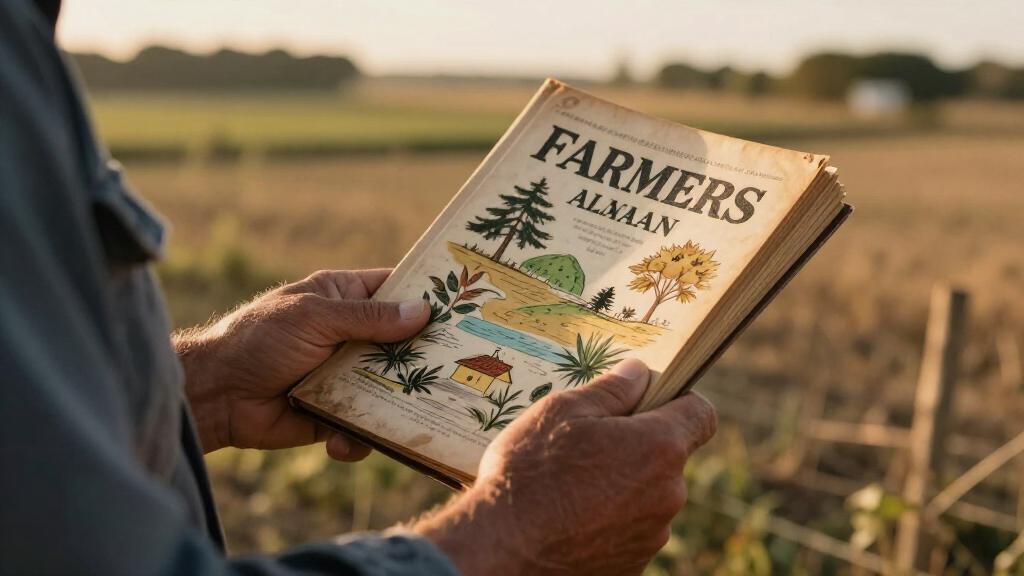
The Old Farmers Almanac has released its annual winter forecast for 2026, predicting a generally mild season across most of the United States with some regions experiencing colder periods. The forecast, based on traditional weather prediction methods, is of interest to farmers, energy providers, and residents preparing for winter conditions.
The 2026 winter forecast from the Old Farmers Almanac suggests a winter that will be milder than usual for much of the country, with below-average snowfall expected in many regions. You can check the us 2026 winter weather forecast for more details. However, the Almanac also predicts localized cold spells, particularly in the northern Plains, Great Lakes, and northeastern states. The forecast is based on a combination of historical data, lunar cycles, and weather pattern analysis, but the Almanac emphasizes that it is a traditional prediction method and not a scientific forecast.
According to the Almanac’s editors, this forecast aligns with current climate trends indicating a potential shift toward milder winters, although regional variability remains significant. For regional insights, visit the us 2026 winter weather forecast. The Almanac’s founder, David B. Phillips, stated, “While we rely on time-honored methods, weather always retains an element of unpredictability. Our forecast aims to help communities and industries prepare accordingly.”
Implications for Agriculture and Energy Planning
The forecast’s prediction of a predominantly mild winter could influence agricultural activities, energy consumption, and emergency preparedness. Farmers may anticipate less snow cover and milder temperatures, affecting planting and harvesting schedules. Energy providers might prepare for lower demand for heating in some regions but should remain cautious about localized cold spells. Overall, the forecast provides a guideline for planning but should be interpreted with caution given its traditional basis.
winter weather gear for cold spells
As an affiliate, we earn on qualifying purchases.
As an affiliate, we earn on qualifying purchases.
Traditional Methods and Climate Trends in Almanac Forecasting
The Old Farmers Almanac has been publishing weather predictions for over 200 years, relying on a combination of historical weather data, lunar cycles, and solar patterns. While its forecasts are popular among the public, they are not scientifically validated. Recent climate data suggest a trend toward milder winters in some parts of the U.S., which the Almanac’s prediction appears to align with. However, climate variability means regional differences can be significant, and unexpected cold spells remain possible.
As an affiliate, we earn on qualifying purchases.
Limitations and Variability in the Almanac’s Prediction
The accuracy of the Old Farmers Almanac’s winter forecast remains uncertain, as it is based on traditional methods rather than scientific climate models. While the forecast predicts a generally mild winter, regional cold spells and unexpected weather events could still occur. The Almanac itself acknowledges that weather prediction involves a degree of guesswork, and users should consider this when planning.
As an affiliate, we earn on qualifying purchases.
Monitoring Winter Conditions and Updating Forecasts
As winter approaches, meteorologists and climate scientists will monitor actual weather patterns to assess the accuracy of the Almanac’s predictions. Updates from official weather agencies and localized forecasts will provide more precise information. Communities and industries are advised to remain flexible and prepared for a range of conditions, regardless of the Almanac’s forecast.
As an affiliate, we earn on qualifying purchases.
Key Questions
How reliable is the Old Farmers Almanac’s winter forecast?
The Almanac’s forecast is based on traditional methods and historical patterns, not scientific climate modeling. Its accuracy varies by region and year, and it should be used as a general guideline rather than a definitive prediction.
Will the winter be completely mild everywhere?
No, regional variability means some areas may experience colder or snowier conditions despite the overall trend toward milder weather.
How does climate change affect the Almanac’s predictions?
Climate change can influence weather patterns unpredictably. While the Almanac’s traditional methods may align with certain trends, they do not account for all climate change impacts, making localized extremes still possible.
When will we know how accurate the forecast was?
After the winter season, meteorologists will compare actual weather data with the forecast to evaluate its accuracy. This assessment typically occurs in early spring 2026.
Source: google-trends