TL;DR
A tornado warning indicates an imminent or ongoing tornado, while a tornado watch means conditions are favorable for tornado development. Clarifying these terms helps residents respond appropriately during severe weather alerts.
Authorities issued a tornado warning yesterday afternoon in several counties after radar detected a confirmed tornado on the ground, prompting immediate safety measures. You can learn more about tornado warnings and how to respond. Meanwhile, a tornado watch remains in effect across a broader region, indicating conditions are favorable for tornado formation, but no tornadoes have been reported yet. For more details, see the tornado watch explanation. This distinction is critical for public understanding and safety during severe weather alerts.
A tornado warning is issued when a tornado has been sighted or indicated by radar, requiring immediate action from residents in the affected area. In contrast, a tornado watch is issued when weather conditions are conducive to tornado development, but no tornadoes have been confirmed. The National Weather Service (NWS) issued the warning yesterday after radar confirmed a funnel cloud touching down in a specific locality, leading to emergency alerts and shelter recommendations. The watch remains in effect for surrounding regions where conditions are favorable but no tornado has been observed yet. Stay updated with the latest alerts on Tornado Gluckstadt Windhose.Experts emphasize that understanding these terms can significantly influence how people respond. During a warning, residents should seek shelter immediately; during a watch, they should stay alert and prepare to take action if a warning is issued. The distinction is often misunderstood, leading to either complacency or unnecessary panic, which can hinder effective safety measures.
Why Clear Understanding of Tornado Alerts Saves Lives
Knowing the difference between a tornado warning and a watch is vital for public safety. Acting promptly during a warning can prevent injuries and fatalities, while awareness of a watch encourages preparedness without causing undue alarm. Misinterpreting these alerts can lead to delayed responses or unnecessary evacuations, both of which can have serious consequences during severe weather events.
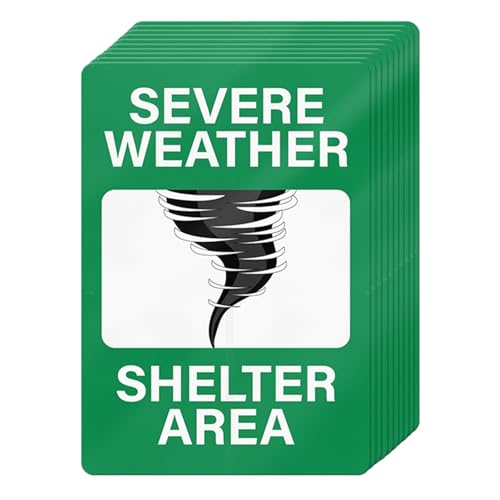
YIKIADA 10 PCS Severe Weather Shelter Area Stickers 10 × 7 Inches
- Package Includes: 10 weather shelter area stickers
- Size: 10 x 7 inches for clear visibility
- Durable Material: Industrial-grade vinyl with strong adhesion
As an affiliate, we earn on qualifying purchases.
As an affiliate, we earn on qualifying purchases.
Severe Weather Alert System and Public Response
The National Weather Service uses specific terminology to communicate weather threats effectively. A warning indicates immediate danger requiring urgent action, while a watch signals potential risk, prompting residents to stay informed and prepared. Historically, confusion over these terms has sometimes led to improper responses, underscoring the importance of public education. Recent severe weather seasons have seen increased emphasis on clarifying these distinctions through public awareness campaigns and official alerts.
“Many people confuse a tornado watch with a warning, which can lead to dangerous delays. Education on these terms is critical for effective response.”
— Meteorologist Jane Doe, Weather Expert

Winter Storm Personal Survival Kit for Ice Events, El Niño Storms, Outages
- Winter Storm Kit: 15 essential items for winter emergencies
- Comprehensive Survival Supplies: Over 30 pieces curated by professionals
- Emergency Lighting: COB flashlight and glow stick included
As an affiliate, we earn on qualifying purchases.
As an affiliate, we earn on qualifying purchases.
Unclear Aspects of Public Response and Communication
It is not yet confirmed how effectively the public understands these distinctions during actual events, or whether recent educational efforts have improved response times. Additionally, the criteria for issuing warnings versus watches can vary slightly by region, which may cause confusion among residents unfamiliar with local protocols. Further research is needed to assess the impact of these communication strategies on safety outcomes.

Midland – WR120B – NOAA Emergency Weather Alert Radio – Localized Programming, Trilingual Display, 60+ Emergency Alerts, Alarm, Selectable Alert Tone
- NOAA Weather Scan & Alerts: Over 60 weather hazard alerts
- Localized S.A.M.E Programming: Set specific area codes
- Customizable Notification Settings: Alerts from 25 counties
As an affiliate, we earn on qualifying purchases.
As an affiliate, we earn on qualifying purchases.
Next Steps in Public Education and Alert Protocols
Meteorological agencies plan to continue public education campaigns, emphasizing the differences between warnings and watches. Authorities also aim to improve alert systems, possibly integrating clearer visual and auditory signals to reduce confusion. Residents are advised to stay informed through official sources and prepare emergency plans in case of severe weather, especially during peak tornado season.

Tornado Tools High Lumen Flashlight
- Brightness: Ultra Bright LED Light
- Rechargeable: Rechargeable Battery Included
- Power Bank: Charge External Devices
As an affiliate, we earn on qualifying purchases.
As an affiliate, we earn on qualifying purchases.
Key Questions
What should I do if I receive a tornado warning?
Seek shelter immediately in a sturdy, interior room away from windows. Listen to weather alerts for updates and follow local emergency instructions.
How is a tornado watch different from a warning?
A watch means conditions are favorable for tornadoes, so stay alert and prepare; a warning means a tornado has been sighted or indicated by radar, requiring immediate action.
Can a tornado watch turn into a warning?
Yes, if a tornado is spotted or detected by radar in the area, a watch can be upgraded to a warning to alert residents to take immediate safety measures.
Why do some people confuse warnings with watches?
The terminology can be confusing because both involve severe weather, but the key difference is urgency. Public education efforts aim to clarify these terms for better response.
Source: google-trends