
TL;DR
Listen free for 30 days with Audible
Thousands of audiobooks and originals — cancel anytime.
Start your free trialAs an affiliate, we earn on qualifying purchases.
The best USB-C docking stations for Windows laptops support multiple displays, high wattage charging, and fast data transfer. Picking the right dock depends on your specific needs for ports, power, and compatibility.
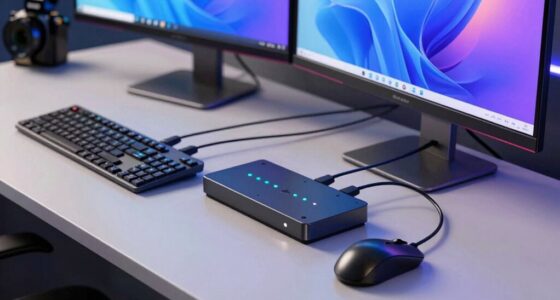
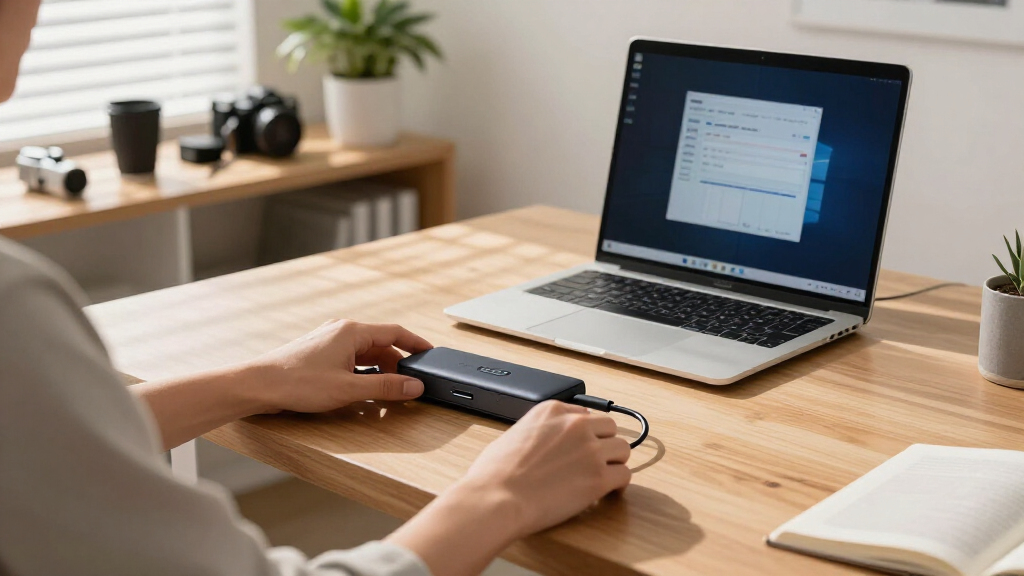
Imagine turning your sleek Windows laptop into a full desktop powerhouse with a single device. A quality USB-C docking station does just that—connecting multiple monitors, fast-charging your device, and expanding your port options all at once. But with so many options flooding the market, how do you pick the one that truly fits your needs?
In this guide, you’ll learn what makes a docking station the best for Windows laptops, including key features, recent developments, and practical tips. Whether you’re a remote worker, a creative professional, or just someone who wants a cleaner workspace, understanding these essentials will help you choose wisely.
Choose a dock with at least 85W Power Delivery to keep your high-end Windows laptop charged during work.
Prioritize docks supporting dual or triple 4K monitors if visual clarity and multitasking are your priorities.
Always verify your laptop’s USB-C port specs—Thunderbolt 4, DisplayPort Alt Mode—to ensure compatibility.
Invest in quality cables and keep firmware updated for reliable, seamless performance.
Assess your port needs carefully—more USB-A, Ethernet, SD card slots—so your workspace stays clutter-free.
What Makes a USB-C Docking Station Truly Good for Windows Laptops?
The backbone of a good dock is compatibility combined with power and display support. You want a device that seamlessly connects to your laptop without fuss, charges it fast enough to keep up with your workflow, and handles multiple screens with clarity. Think of it as your laptop’s best friend—reliable, versatile, and ready to expand what you can do.
For example, a dock supporting 85W Power Delivery can charge a high-end laptop like the Dell XPS 15 while you work. It should also offer multiple video outputs—like HDMI or DisplayPort—so you can set up dual or even triple monitors. Fast data transfer is equally critical, especially if you handle large files regularly.
Brands like Plugable, CalDigit, and Anker lead the pack, often offering docks with a good mix of these features. But always check if your specific Windows laptop supports the dock’s capabilities, especially for display outputs and charging wattage.
battery-powered video doorbell 2024
As an affiliate, we earn on qualifying purchases.
As an affiliate, we earn on qualifying purchases.
The Latest Tech Trends in USB-C Docking Stations for Windows Laptops
Recent years have seen a wave of innovation. Thunderbolt 4 integration is now common, offering blazing-fast data transfer—up to 40Gbps—and daisy-chaining multiple devices. This means you can connect several docks or external drives without bogging down your system.
At the same time, docks now support higher wattages—up to 100W—so you can keep your powerful laptop charged even during intensive tasks. Display support has also improved, with many docks handling dual 4K monitors or even 8K in some cases.
For instance, the Plugable UD-MSTH3 now supports triple monitor setups at 4K60Hz, making it perfect for creative workflows. Meanwhile, new docks emphasize universal compatibility, working smoothly across brands like Dell, HP, and Lenovo, thanks to standardized standards like USB4 and Thunderbolt 4.
HD wireless doorbell with night vision
As an affiliate, we earn on qualifying purchases.
As an affiliate, we earn on qualifying purchases.
Compare the Top USB-C Docking Stations for Windows Laptops
| Feature | Plugable UD-MSTH3 | Acer USB-C Dual Dock | CalDigit TS4 | Anker Apex 12-in-1 |
|---|---|---|---|---|
| Hardware Interface | USB-C, HDMI, DisplayPort, USB-A & C, Ethernet | USB-C, HDMI, VGA, USB-A, Ethernet | Thunderbolt 4, USB-C, HDMI, Ethernet | USB-C, HDMI, SD Card, USB-A & C, Ethernet |
| Compatible Devices | Windows 10/11, USB4, Thunderbolt 3/4 | Windows, macOS, DisplayPort Alt Mode | Thunderbolt 4, Windows, Mac | Windows, some Mac support |
| USB Ports | 8 | 4 | 18 | 12 |
| Wattage | 100W PD | 100W PD | 87W PD | 85W PD |
| Number of HDMI Ports | 3 | 2 | 2 | 1 |
As an affiliate, we earn on qualifying purchases.
How to Pick the Perfect USB-C Dock for Your Windows Laptop
Follow this step-by-step process to find your ideal dock:
- Identify your main needs—multiple monitors, fast data, or charging.
- Check your laptop’s USB-C port specs—Thunderbolt, DisplayPort Alt Mode, or just USB-C.
- Decide on the number of ports—USB-A, USB-C, Ethernet, audio.
- Set your budget, then compare models matching your criteria.
- Read user reviews focusing on real-world performance and reliability.
For example, if you work with large files and multiple screens, prioritize docks with Thunderbolt 4 support and dual 4K HDMI out. If portability is key, look for compact designs like the Anker Apex.
wireless doorbell with local storage
As an affiliate, we earn on qualifying purchases.
As an affiliate, we earn on qualifying purchases.
Common Pitfalls and How to Avoid Them When Buying a USB-C Dock
Many buyers fall into traps like choosing docks with insufficient wattage or limited display support. For example, a dock supporting only 60W won’t fully charge your high-performance laptop during busy workdays.
Always double-check compatibility—some docks claim to work with Windows but only support Mac or specific brands. Also, beware of docks with too few ports for your peripheral needs or low data transfer speeds.
To avoid these issues, read detailed specs, verify reviews, and confirm the dock supports your device’s USB-C standards. Remember, a good dock isn’t just a hub but a reliable extension of your laptop’s capabilities.
Practical Tips to Maximize Your USB-C Dock Experience
- Use high-quality cables—cheap cables can limit performance or cause connectivity issues.
- Update your laptop’s firmware and drivers for seamless compatibility.
- Arrange your workspace so cables are tidy—use cable clips or sleeves to keep things neat.
- Test each port with your peripherals before a big work session.
- Keep your dock’s firmware updated for the latest stability and features.
For example, a photographer might connect a high-resolution monitor, external drives, and audio gear—organizing these neatly keeps workflow smooth and stress-free.
Frequently Asked Questions
Will a USB-C dock charge my Windows laptop?
Yes, if the dock supports Power Delivery (PD) with enough wattage—typically 60W or higher. Check your laptop’s power needs before choosing.Can I connect multiple monitors to a USB-C docking station?
Many docks support dual or triple monitors, with resolutions up to 4K. Always verify the maximum supported displays and resolutions for your specific model.Is a Thunderbolt 4 dock better than a regular USB-C dock?
Generally, yes—Thunderbolt 4 offers faster data speeds, more daisy-chaining options, and broader device compatibility. But it tends to cost more.Are USB-C docks compatible with all Windows laptops?
Compatibility depends on your laptop’s USB-C port—whether it supports Thunderbolt, DisplayPort Alt Mode, or just basic USB-C. Always check the specs.What should I do if my dock isn’t working right?
Update your laptop’s drivers and firmware, confirm the dock’s compatibility, and try different cables or ports. If issues persist, contact support.Conclusion
Turning your Windows laptop into a full desktop setup is easier than you think—if you choose the right USB-C docking station. Focus on compatibility, power, and display support, and you’ll unlock a new level of productivity.
Imagine a workspace where your laptop seamlessly drives three 4K screens, charges in the background, and connects all your peripherals—without a tangle of cables. That’s the power of a well-chosen dock. Make it your next upgrade and watch your workflow transform.
Back to school Picks
back to school
As an affiliate, we earn on qualifying purchases.